Hong Kong's Struggle for Autonomy: A Year After the National Security Law
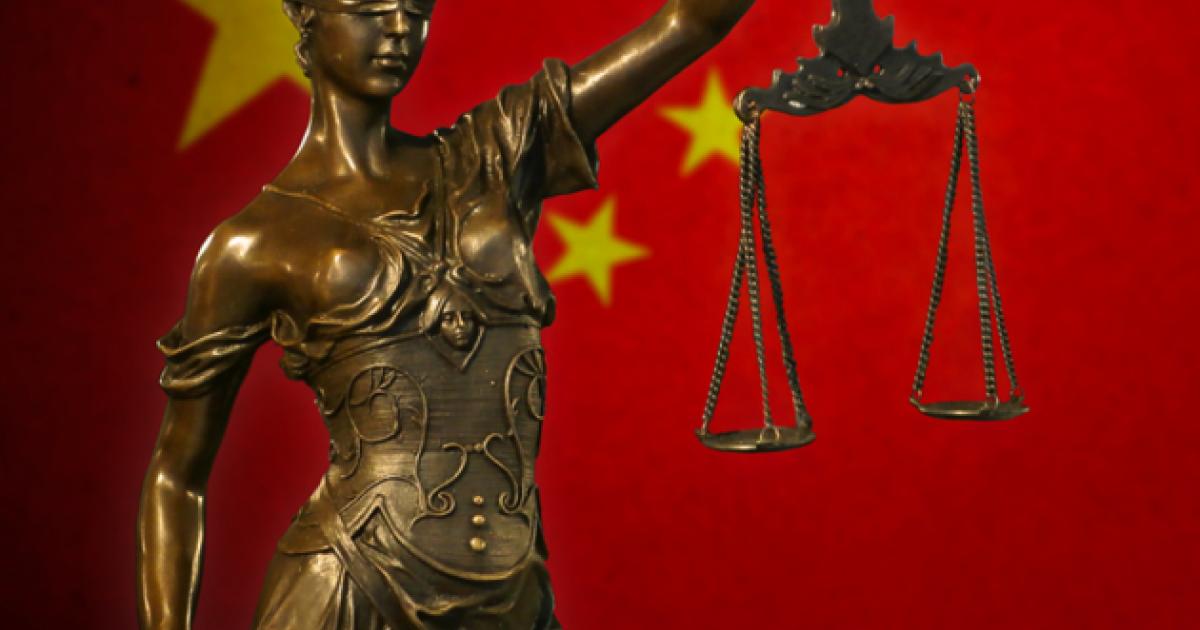
As Hong Kong marks a year since the enactment of the National Security Law, the implications for civil liberties and political dissent continue to unfold. This report examines the ongoing challenges faced by activists and the broader implications for the region's autonomy.
Introduction
On June 30, 2020, the Chinese government enacted the National Security Law (NSL) in Hong Kong, fundamentally altering the landscape of civil liberties and political expression in the region. A year later, the ramifications of this legislation are starkly visible, as activists face unprecedented repression and the city grapples with its identity in the shadow of Beijing's tightening grip.
The National Security Law: A Tool of Repression
The NSL was ostensibly introduced to combat secession, subversion, terrorism, and collusion with foreign forces. However, critics argue that its vague language has been weaponized to suppress dissent and curtail freedoms guaranteed under the Sino-British Joint Declaration. Since its implementation, numerous pro-democracy activists have been arrested, and many organizations have disbanded under the threat of prosecution.
Impact on Civil Society
The law has had a chilling effect on civil society in Hong Kong. Prominent figures such as Jimmy Lai, the founder of the pro-democracy newspaper Apple Daily, have been imprisoned, and the once-vibrant protest movement has been largely dismantled. The fear of repercussions has led many activists into exile or silence, significantly diminishing the space for open discourse.
International Response
The international community has responded with condemnation, with several countries imposing sanctions on Chinese officials and expressing concern over human rights violations in Hong Kong. The United States, the United Kingdom, and the European Union have all criticized the NSL, calling it a breach of the commitments made by China during the handover of Hong Kong in 1997.
Beijing's Justification
In contrast, Beijing has defended the NSL as a necessary measure to restore order and stability in Hong Kong following the tumultuous protests of 2019. Chinese officials argue that the law has successfully curtailed violence and restored a sense of normalcy, framing the narrative as one of national security over individual freedoms.
Public Sentiment and Resistance
Despite the oppressive atmosphere, public sentiment remains complex. While some citizens express support for the law, citing concerns over safety and stability, others continue to resist, albeit quietly. The Hong Kong Alliance in Support of Patriotic Democratic Movements of China, a key organization advocating for democracy, has faced increasing scrutiny and pressure, yet its members remain committed to their cause.
The Future of Hong Kong
As Hong Kong navigates its future under the NSL, the question of autonomy remains at the forefront. The erosion of freedoms has raised concerns about the long-term viability of the “one country, two systems” principle. Many fear that the city is on a path towards complete integration with mainland China, where dissent is met with severe consequences.
Conclusion
As the first anniversary of the National Security Law approaches, the situation in Hong Kong serves as a poignant reminder of the ongoing struggle for democracy and human rights. The resilience of its citizens, despite the oppressive measures, highlights the enduring spirit of a society that continues to fight for its identity and freedoms. The world watches closely as Hong Kong's narrative unfolds, a testament to the complexities of governance, autonomy, and the human spirit.