Hong Kong's Struggle for Autonomy Amid Growing Repression
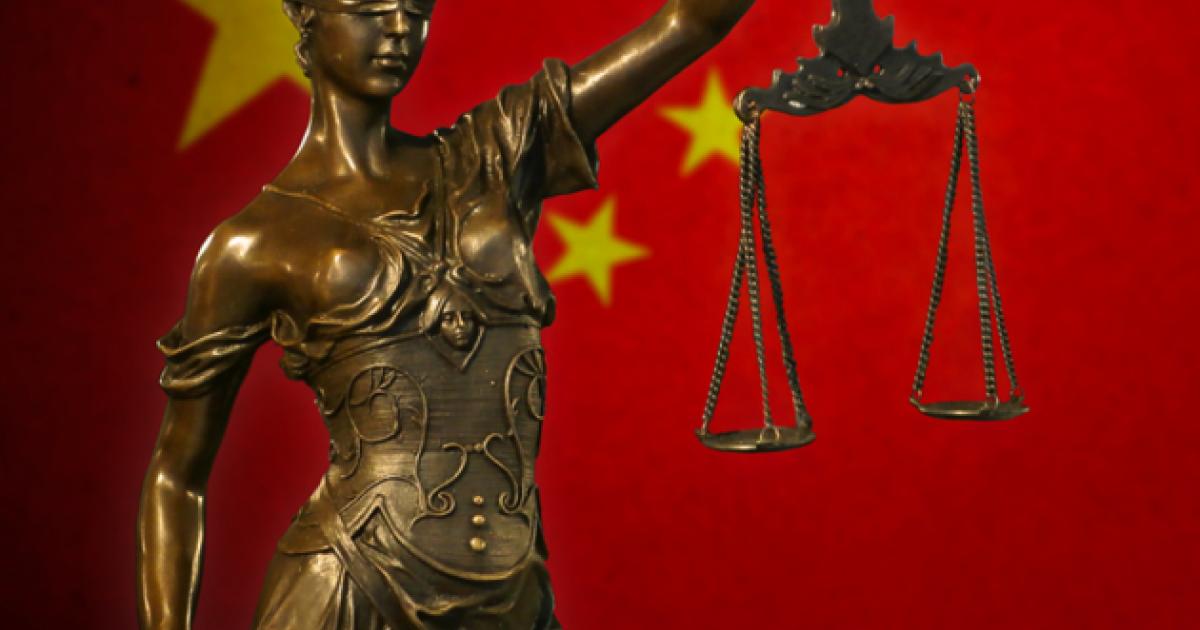
As Hong Kong continues to grapple with the implications of the National Security Law, the city faces increasing challenges to its autonomy and freedoms. This report examines the impact of Beijing's tightening grip on the region and the ongoing fight for human rights.
Introduction
Since the implementation of the National Security Law in June 2020, Hong Kong has witnessed a significant erosion of its freedoms and autonomy. The law, which was imposed by Beijing, has been utilized to stifle dissent, curb freedom of expression, and suppress the pro-democracy movement that gained momentum during the 2019 protests. This report delves into the current state of human rights in Hong Kong and the broader implications for the region's future.
The Impact of the National Security Law
The National Security Law has been a pivotal tool for the Chinese government in asserting control over Hong Kong. Under the guise of maintaining national security, the law criminalizes acts of secession, subversion, terrorism, and collusion with foreign forces. Critics argue that its vague definitions allow for broad interpretation, leading to arbitrary arrests and prosecutions. Since its enactment, hundreds of activists, journalists, and ordinary citizens have faced charges, with many fleeing into exile to escape persecution.
Suppression of Free Speech and Press
Media freedom in Hong Kong has been severely compromised as a result of the law. Prominent pro-democracy media outlets, such as Apple Daily, have been forced to shut down, and journalists face increasing intimidation and harassment. The chilling effect on free speech has led to self-censorship among journalists and content creators, who fear repercussions for their work. The international community has condemned these actions, calling them a direct attack on press freedom and the rights of citizens.
Public Sentiment and Resistance
Despite the oppressive environment, a segment of the population continues to resist Beijing's encroachment on their freedoms. Pro-democracy activists are finding innovative ways to express dissent, from organizing underground meetings to utilizing encrypted messaging apps to communicate. The spirit of resistance remains alive, although it is increasingly met with swift and harsh crackdowns by authorities. The recent arrest of key activists has ignited public outcry and calls for international support.
International Response
The international community has responded to Hong Kong's plight with a mix of condemnation and sanctions against Chinese officials. Governments around the world have expressed concern over the human rights situation in the city, with some offering refuge to Hong Kongers seeking asylum. However, critics argue that more decisive action is needed to hold Beijing accountable for its actions. The United States, the United Kingdom, and the European Union have all issued statements condemning the repression, but tangible measures remain limited.
The Future of Hong Kong
As the situation in Hong Kong continues to evolve, the future of the city remains uncertain. The ongoing repression raises critical questions about the viability of the “one country, two systems” framework that was promised during the handover from British rule in 1997. Many fear that the continued erosion of rights and freedoms will lead to a complete assimilation of Hong Kong into the authoritarian model of mainland China.
Conclusion
Hong Kong stands at a crossroads, with its identity and future hanging in the balance. The resilience of its people in the face of repression is commendable, but the challenges they face are daunting. As the world watches, the hope remains that international solidarity and pressure can help restore the rights and freedoms that have been so ruthlessly stripped away.