Hong Kong's Struggle for Freedom: A Year of Protests and Resilience
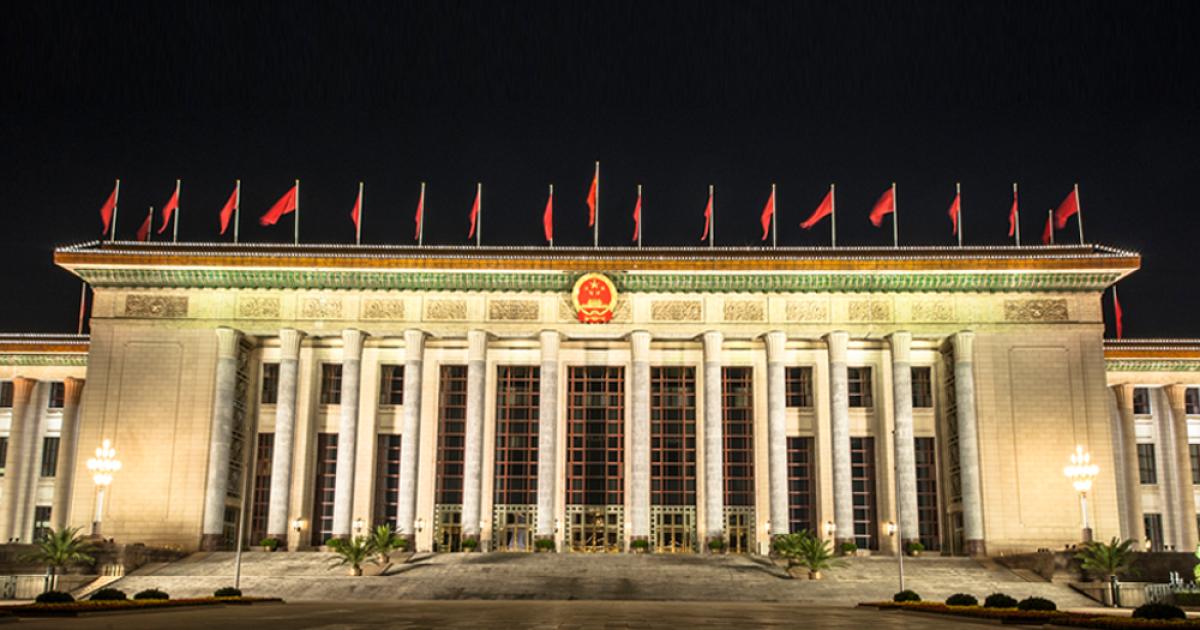
As Hong Kong continues to grapple with the implications of its political landscape, the resilience of its citizens shines through amidst ongoing protests. This report delves into the events of the past year and the impact on the region's future.
Introduction
In the heart of Asia, Hong Kong has found itself at a crossroads, facing a tumultuous year marked by protests and a fervent struggle for freedom. The city, known for its vibrant culture and economic prowess, has seen its citizens rise against perceived encroachments on their autonomy and rights, leading to a significant shift in its political landscape.
The Protests: A Timeline
Beginning in mid-2019, protests erupted in response to the proposed extradition bill, which many feared would undermine the judicial independence of Hong Kong. What started as a peaceful demonstration quickly escalated into a broader movement advocating for democratic reforms and greater freedoms. The protests have drawn international attention, with images of clashes between protesters and police resonating globally.
Government Response
The Hong Kong government, under the leadership of Chief Executive Carrie Lam, has faced mounting pressure to address the concerns of its citizens. Initially dismissive of the protests, the administration has since implemented measures to quell unrest, including the withdrawal of the controversial bill. However, these actions have not been enough to satisfy the demands of the protesters, who continue to call for accountability and systemic change.
International Implications
The situation in Hong Kong has not only affected its residents but has also drawn the attention of the international community. Countries such as the United States and the United Kingdom have expressed support for the pro-democracy movement, leading to strained diplomatic relations with China. The U.S. has enacted the Hong Kong Human Rights and Democracy Act, signaling its commitment to supporting the city's autonomy.
The Role of Technology
In this digital age, technology has played a pivotal role in the protests. Social media platforms have become essential tools for organizing demonstrations and disseminating information. However, the Hong Kong government has also utilized technology to monitor and suppress dissent, raising concerns about privacy and freedom of expression.
Voices from the Ground
Amidst the chaos, the voices of ordinary citizens have emerged as a powerful force. Many young activists have taken to the streets, driven by a desire for change and a vision of a democratic future. Their resilience and determination are evident in their unwavering commitment to the cause, even in the face of adversity.
The Future of Hong Kong
As the year progresses, the future of Hong Kong remains uncertain. The ongoing protests have sparked a broader conversation about the region's identity and its relationship with mainland China. While some fear the potential for increased repression, others remain hopeful that the movement will lead to meaningful change and a reaffirmation of the city's unique status.
Conclusion
In conclusion, Hong Kong's struggle for freedom is far from over. The resilience of its citizens in the face of adversity serves as a testament to their commitment to democracy and human rights. As the world watches, the question remains: will Hong Kong emerge stronger from this turmoil, or will it succumb to the pressures of authoritarianism? Only time will tell.