Hong Kong's Struggles Amidst Rising Tensions and Global Changes
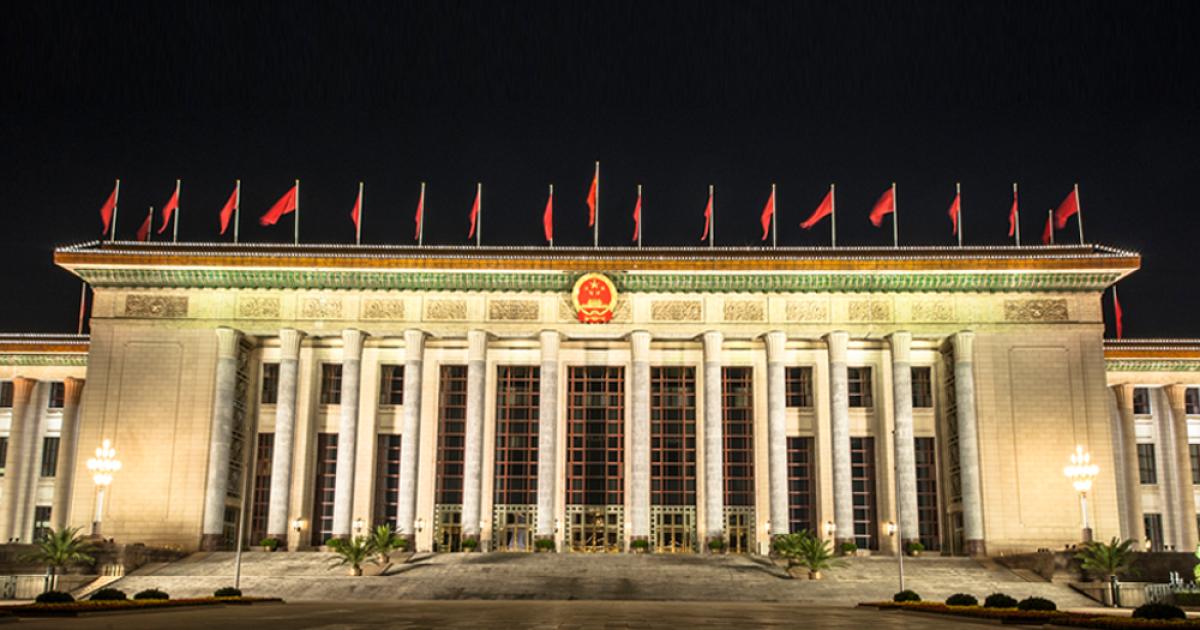
Hong Kong faces mounting challenges as political tensions rise and global dynamics shift. The city's unique position is tested by local protests and international relations, particularly with China and Taiwan.
Introduction
Hong Kong, a city known for its vibrant culture and economic prowess, is currently navigating a complex landscape of rising political tensions and shifting global dynamics. As protests continue to shape the local narrative, the implications of international relations, particularly with mainland China and Taiwan, are becoming increasingly pronounced.
Political Landscape and Protests
The past few years have seen Hong Kong embroiled in a series of protests that have fundamentally altered its political landscape. Citizens have taken to the streets, advocating for greater democratic freedoms and resisting perceived encroachments from Beijing. The government's response has been met with criticism from both local activists and international observers, raising concerns about human rights and governance in the region.
Impact of Global Relations
As Hong Kong grapples with its internal challenges, the global context cannot be ignored. The ongoing tensions between the United States and China have ramifications for Hong Kong, as the city serves as a critical point of intersection for international trade and diplomacy. The recent tensions surrounding Taiwan have further complicated this landscape, with fears that any escalation could spill over into Hong Kong.
Economic Implications
Hong Kong's economy, which has long thrived on its status as a global financial hub, is feeling the strain of these political and social upheavals. Businesses are facing uncertainty, with many considering relocation or diversifying their operations to mitigate risks. The tourism sector, a significant pillar of the local economy, has also been adversely affected, as visitors are deterred by the ongoing unrest.
Rural Protests and Local Voices
The protests are not limited to urban areas; rural communities in Hong Kong are also voicing their concerns. Issues such as land use, environmental degradation, and the preservation of local culture have sparked protests in the New Territories. These rural voices highlight the diverse range of grievances that exist beyond the immediate political landscape, illustrating the multifaceted nature of dissent in Hong Kong.
International Solidarity and Support
In response to the unrest, international solidarity movements have emerged, with activists and organizations rallying support for Hong Kong's pro-democracy movement. Global awareness campaigns have sought to draw attention to the situation, urging governments worldwide to take a stand against perceived injustices. This international support has provided a morale boost to local activists, reinforcing their resolve in the face of adversity.
Conclusion
As Hong Kong continues to navigate its complex socio-political landscape, the interplay between local protests and international relations will remain critical. The city's future hangs in the balance, shaped by the resilience of its citizens and the responses of global powers. The coming months will be pivotal as Hong Kong seeks to assert its identity amidst rising tensions and global changes.