Hong Kong's Surplus: A Boon or a Challenge for Sustainable Growth?
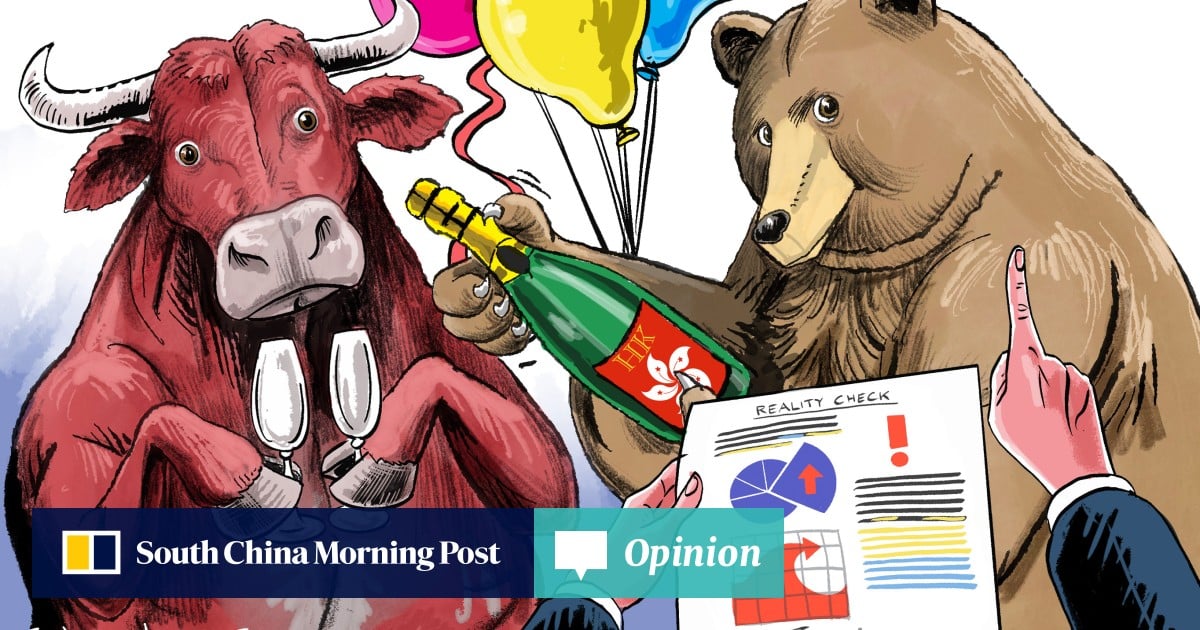
Hong Kong recently celebrated a budget surplus, raising questions about the sustainability of its financial health. As the city navigates post-pandemic recovery, it must focus on long-term strategies to maintain economic stability.
Introduction
Hong Kong has recently announced a budget surplus, a significant achievement that reflects the city’s resilience in the face of economic challenges. However, this surplus also brings forth critical questions about the sustainability of its financial health and the strategies needed to ensure long-term economic stability.
Celebrating the Surplus
The Hong Kong government reported a surplus of HKD 140 billion for the fiscal year, a stark contrast to the deficits recorded in previous years. This surplus is attributed to a rebound in economic activity post-COVID-19, with sectors such as tourism and retail showing signs of recovery. The government has expressed optimism about the future, highlighting the surplus as a foundation for further investment in public services and infrastructure.
Challenges Ahead
Despite the positive figures, experts caution that the surplus should not lead to complacency. Hong Kong's economy remains vulnerable to external shocks, including geopolitical tensions and global economic fluctuations. The recent resurgence of COVID-19 cases in some parts of the world serves as a reminder of the unpredictability of the current global landscape.
Long-Term Sustainability
To ensure the sustainability of its surplus, Hong Kong must adopt a multifaceted approach. Economic diversification is crucial; relying heavily on finance and tourism can expose the city to significant risks. Investing in technology, green industries, and innovation can create new revenue streams and job opportunities.
Public Investment and Infrastructure
The surplus provides an opportunity for the government to invest in public services and infrastructure. Enhancing transportation networks, improving housing affordability, and investing in education can strengthen the city’s social fabric and economic resilience. Such investments not only benefit the immediate population but also attract foreign investment and talent.
Addressing Inequality
Another pressing issue is income inequality, which has been exacerbated by the pandemic. The government must consider policies that promote social equity, ensuring that the benefits of economic growth are distributed fairly across all segments of society. This could involve increasing social welfare programs and supporting low-income families through targeted financial assistance.
Engaging with the Community
Community engagement is vital for the success of any economic strategy. The government should involve citizens in discussions about budget allocations and priorities. By fostering a participatory approach, the administration can build trust and ensure that the needs of the community are met.
Conclusion
While Hong Kong’s budget surplus is a cause for celebration, it also presents an opportunity for reflection and strategic planning. The city must focus on sustainable growth by diversifying its economy, investing in public services, addressing inequality, and engaging with its citizens. Only through a comprehensive and inclusive approach can Hong Kong ensure that its financial health remains robust in the years to come.