Hong Kong's Surplus: A Call for Sustainable Economic Strategies
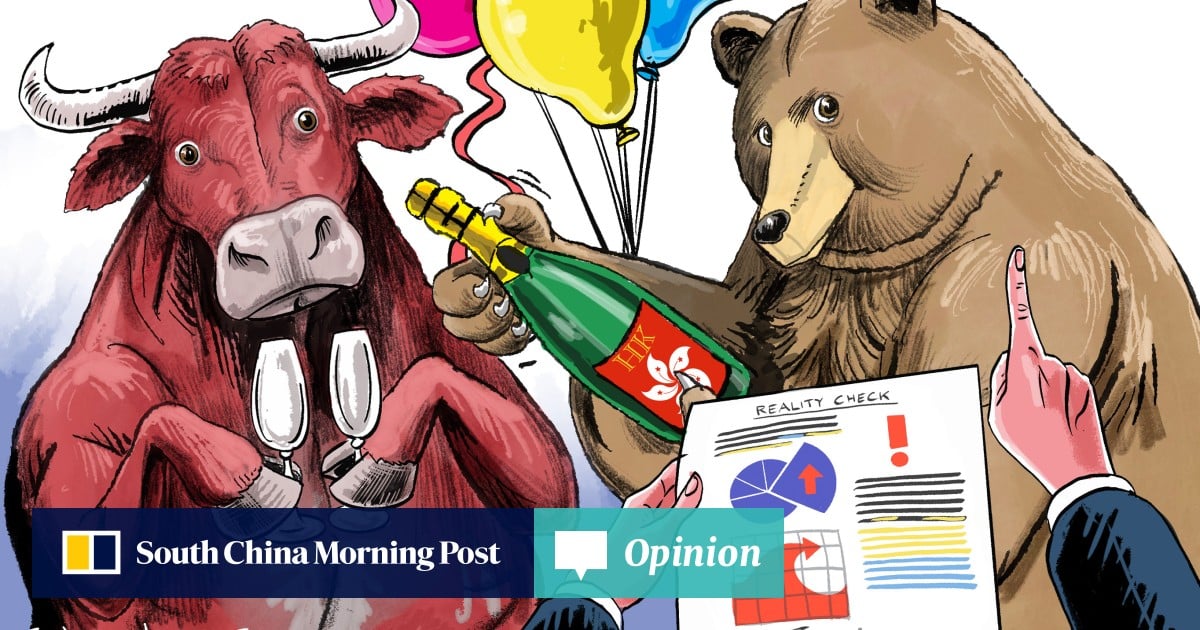
Following the announcement of a budget surplus, Hong Kong faces the challenge of maintaining its economic stability. Experts emphasize the need for sustainable strategies to ensure long-term growth and resilience.
Hong Kong's Economic Landscape
In a recent announcement, Hong Kong celebrated a significant budget surplus, a positive indicator of the region's economic recovery post-pandemic. However, while this surplus is a cause for optimism, financial experts warn that the government must focus on sustainable economic strategies to ensure that this surplus translates into long-term stability and growth.
Understanding the Surplus
The surplus, reported to be around HKD 50 billion, is attributed to a rebound in tax revenues and a robust performance in the financial sector. As one of the world's leading financial hubs, Hong Kong has seen a resurgence in business activities, particularly in sectors such as technology and finance. This rebound is crucial as it signals a recovery from the economic downturn caused by the COVID-19 pandemic, which had severely impacted various sectors.
Challenges Ahead
Despite the positive figures, experts caution that the city faces several challenges that could threaten its economic stability. The global economic landscape remains uncertain, with inflationary pressures and geopolitical tensions affecting trade and investment. Moreover, local issues such as housing affordability and income inequality continue to pose significant hurdles for the government.
The Need for Sustainable Strategies
To build on the current surplus, analysts suggest that the Hong Kong government must adopt a more sustainable approach to fiscal management. This includes investing in infrastructure, technology, and education to foster innovation and enhance productivity. Additionally, there is a pressing need to diversify the economy beyond its traditional reliance on finance and real estate.
Investing in Innovation
One of the key areas for potential growth is the technology sector. The government has already taken steps to promote innovation through various initiatives, such as funding for start-ups and establishing tech hubs. However, experts argue that more needs to be done to create an environment conducive to research and development. Encouraging collaboration between universities and industries could lead to breakthroughs that drive economic growth.
Addressing Social Issues
Furthermore, addressing social issues such as housing and income inequality is crucial for long-term sustainability. The government must prioritize affordable housing initiatives and consider policies that promote equitable wealth distribution. By ensuring that all citizens benefit from economic growth, Hong Kong can enhance social stability and cohesion, which are essential for a thriving economy.
Conclusion: A Balanced Approach
In conclusion, while Hong Kong's budget surplus is a welcome development, it serves as a reminder of the importance of sustainable economic strategies. The government must take proactive measures to address existing challenges and invest in future growth. By fostering innovation, addressing social issues, and diversifying the economy, Hong Kong can work towards not just maintaining its surplus but also ensuring a prosperous future for all its residents.