Hong Kong Sees Largest Trade Deficit Since 1952 Amid AI Boom
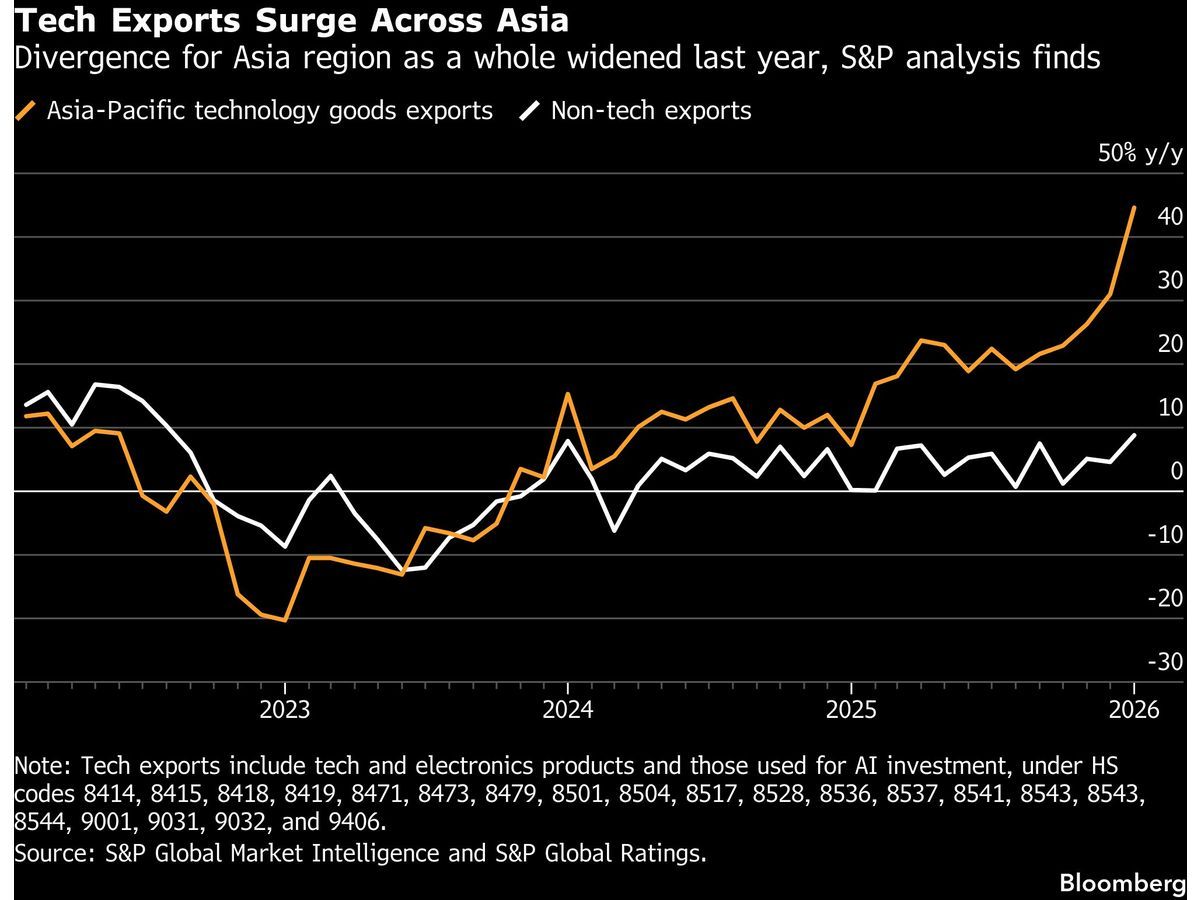
Hong Kong has reported its widest trade deficit in over seven decades, attributed to the rapid growth of the artificial intelligence sector. This development raises concerns about the city's economic future and its reliance on imports.
Introduction
In a striking economic development, Hong Kong has recorded its largest trade deficit since 1952, a situation that has been significantly influenced by the ongoing artificial intelligence (AI) boom. The trade deficit, which reached unprecedented levels, has sparked discussions among economists and policymakers about the implications for the city's economy and its future trajectory.
The Numbers Behind the Deficit
According to recent data released by the Hong Kong Census and Statistics Department, the trade deficit for the first half of the year has reached a staggering HKD 50 billion (approximately USD 6.4 billion). This figure marks a dramatic increase compared to previous years, highlighting the growing imbalance between imports and exports. The surge in AI-related imports, including advanced machinery and electronic components, has been a significant driver of this deficit.
AI Boom and Its Impact
The AI boom has transformed various sectors within Hong Kong, leading to an increased demand for high-tech products and services. Companies are investing heavily in AI technologies to enhance productivity and maintain competitiveness in the global market. However, this shift has also resulted in a greater reliance on imported goods, exacerbating the trade deficit.
Economists suggest that while the AI boom presents opportunities for growth, it also poses risks. The heavy dependence on imported technology could make Hong Kong vulnerable to global supply chain disruptions and fluctuations in international trade policies. As a result, experts are urging the government to consider strategies that could bolster local production capabilities and reduce reliance on imports.
Government Response
In light of the widening trade deficit, the Hong Kong government has initiated discussions on potential policy measures to address the situation. Officials are exploring ways to support local industries, particularly those involved in technology and innovation. Investment in research and development, as well as incentives for businesses to manufacture locally, are among the strategies being considered.
Moreover, the government is also looking into enhancing trade relations with other countries to diversify its import sources and mitigate risks associated with over-reliance on specific markets. Strengthening partnerships with Southeast Asian nations and other emerging markets could provide Hong Kong with more resilient trade routes.
Looking Ahead
The current trade deficit presents both challenges and opportunities for Hong Kong. As the city navigates the complexities of the AI boom, it must strike a balance between embracing technological advancements and ensuring economic stability. The government's proactive approach in addressing the trade deficit will be crucial in shaping the future of Hong Kong's economy.
In conclusion, while the AI boom has positioned Hong Kong as a key player in the global tech landscape, the implications of its widening trade deficit cannot be overlooked. Policymakers must act swiftly to implement measures that will not only address the current economic challenges but also pave the way for sustainable growth in the years to come.