Hong Kong Shares Slip Amid Mixed Performance in Mainland Chinese Stocks
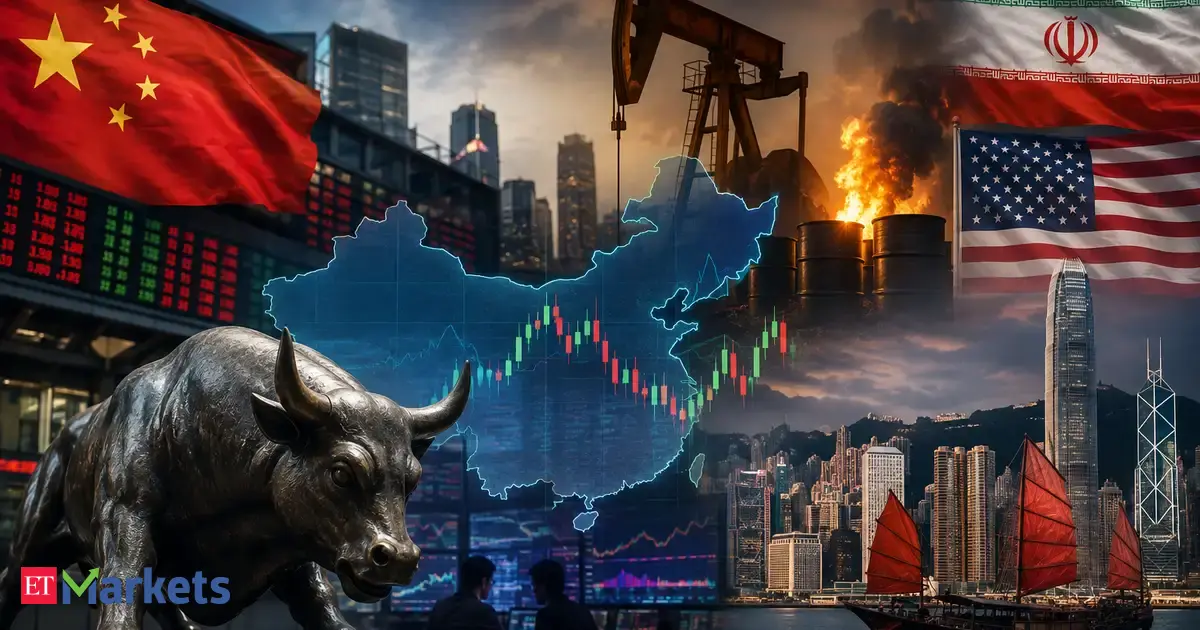
Hong Kong's stock market faced a downturn as geopolitical tensions surrounding the Iran conflict weighed heavily on investor sentiment. Meanwhile, mainland Chinese stocks exhibited a mixed performance, reflecting the complex dynamics of the current market environment.
Hong Kong Shares Slip Amid Mixed Performance in Mainland Chinese Stocks
In a day marked by geopolitical uncertainties, Hong Kong's stock market experienced a noticeable decline, influenced by the ongoing conflict in Iran that has cast a shadow over investor sentiment. This downturn comes as mainland Chinese stocks displayed a mixed performance, highlighting the complexities of the current economic landscape.
As tensions in the Middle East escalate, particularly with the Iran conflict drawing international attention, investors are increasingly cautious. The uncertainty surrounding potential repercussions on global markets has led to a more conservative approach among traders. Hong Kong's Hang Seng Index fell by 1.2% in early trading, reflecting a broader trend of risk aversion.
Analysts attribute the decline in Hong Kong shares to a combination of external pressures and local market conditions. The ongoing geopolitical strife has not only affected oil prices but has also raised concerns about supply chains and trade routes, which are critical to the Hong Kong economy. The city's status as a financial hub makes it particularly sensitive to global events, and the current situation is no exception.
Meanwhile, mainland Chinese stocks showed a more varied performance. The Shanghai Composite Index rose by 0.5%, buoyed by gains in technology and healthcare sectors, while the Shenzhen Component Index experienced a slight dip of 0.3%. This divergence underscores the differing impacts of external factors on various sectors within China's economy.
Market experts suggest that the mixed performance of mainland stocks could be indicative of underlying resilience in certain sectors, despite the broader geopolitical tensions. "While the Iran conflict is certainly a concern, there are pockets of strength within the Chinese economy that continue to attract investment," said a senior analyst at a leading investment firm.
In addition to geopolitical factors, domestic economic indicators have also played a role in shaping market sentiment. Recent data from China showed a modest rebound in manufacturing activity, which has provided some optimism among investors. However, concerns about regulatory crackdowns and economic slowdowns persist, contributing to the mixed outlook.
Back in Hong Kong, financial services and real estate sectors faced significant pressure, with major companies reporting declines in their stock prices. Analysts are closely monitoring the situation, as prolonged geopolitical tensions could lead to further volatility in the market.
As the world watches the developments in Iran, investors are advised to remain vigilant and consider the potential implications for their portfolios. The interconnected nature of global markets means that events in one region can have far-reaching effects, and the current climate necessitates a cautious approach.
In conclusion, the mixed performance of mainland Chinese stocks juxtaposed with the decline in Hong Kong shares illustrates the challenges facing investors in a volatile geopolitical landscape. As the situation in Iran continues to evolve, market participants will need to navigate these complexities with care, keeping a close eye on both local and international developments.