Hong Kong Stocks Plummet Over 3% Amid Escalating Mideast Crisis
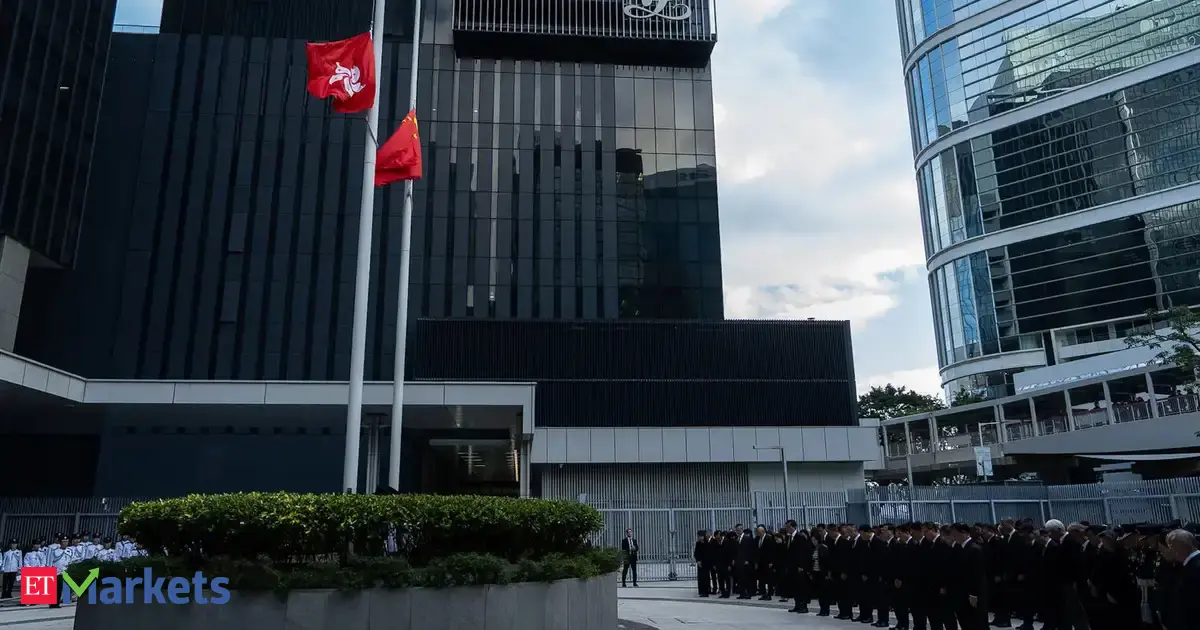
Hong Kong's stock market faced significant losses, dropping more than 3% as geopolitical tensions in the Middle East intensified. Investors are reacting to the uncertainty, leading to a sell-off in various sectors.
Market Overview
In a dramatic turn of events, Hong Kong's stock market experienced a steep decline, with the Hang Seng Index falling more than 3% in response to escalating geopolitical tensions in the Middle East. The crisis, which has seen increased military actions and political instability, has sent shockwaves through global markets, prompting investors to reassess their positions and risk exposure.
Market Reaction
The sell-off in Hong Kong was broad-based, affecting various sectors including finance, real estate, and technology. Analysts noted that the uncertainty surrounding the Mideast crisis has heightened concerns about potential disruptions to global trade and energy supplies, which are critical to the Hong Kong economy. The financial sector, a cornerstone of Hong Kong's economy, saw significant declines, with major banks and financial institutions reporting losses.
Investor Sentiment
Investor sentiment has turned increasingly bearish as the situation in the Middle East escalates. Many market participants are opting to liquidate positions and move to safer assets, such as gold and government bonds, which are traditionally viewed as safe havens during times of geopolitical uncertainty. The volatility in the Middle East has raised fears of a broader conflict, prompting a flight to safety among risk-averse investors.
Global Implications
The implications of the Mideast crisis extend beyond Hong Kong, affecting markets worldwide. Major stock indices across Asia and Europe also recorded declines, reflecting a global trend of risk aversion. Analysts are closely monitoring the situation, as further escalation could lead to sustained market volatility and economic repercussions that may last for months.
Expert Opinions
Financial experts suggest that the current environment calls for caution. “Investors should remain vigilant and consider diversifying their portfolios to mitigate risks associated with geopolitical tensions,” said a senior analyst at a leading investment firm. “While the situation is fluid, the potential for further escalation in the Middle East remains a significant concern for markets globally.”
Looking Ahead
As the situation develops, market analysts will be watching closely for any signs of resolution or further escalation. The upcoming earnings reports from major companies in Hong Kong may also provide insight into how businesses are navigating the current landscape. Investors are advised to stay informed and prepared for continued fluctuations in the market as geopolitical tensions evolve.
Conclusion
In conclusion, the recent drop in Hong Kong stocks serves as a stark reminder of the interconnectedness of global markets and the impact of geopolitical events on investor sentiment. As the Mideast crisis unfolds, market participants must remain agile and informed to navigate the challenges ahead.