Hong Kong Turns to AI in Battle Against Persistent Rat Infestations
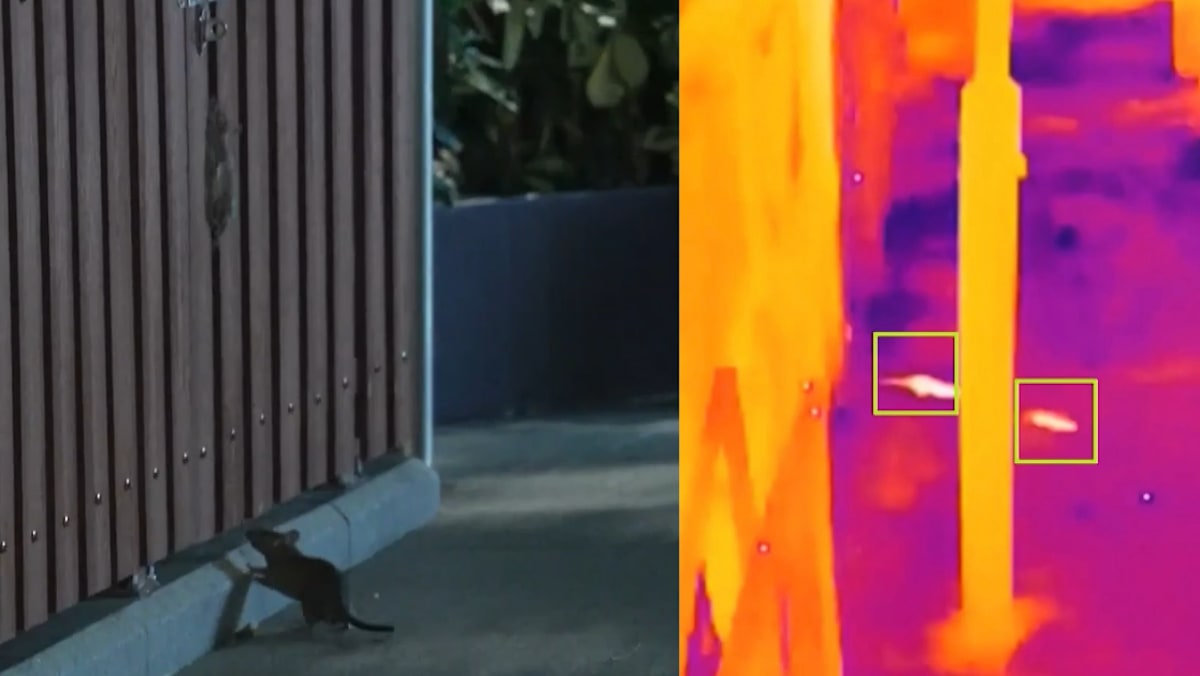
Hong Kong is leveraging artificial intelligence to address its ongoing rat infestation issues, a problem that has plagued the city for years. Despite the promise of technology, challenges remain in effectively implementing these solutions.
Introduction
In a bid to combat the persistent rat infestations that have plagued Hong Kong for years, the city is turning to artificial intelligence (AI) as a potential solution. The initiative aims to leverage cutting-edge technology to monitor and manage rodent populations more effectively, but experts warn that challenges remain in the implementation of these advanced systems.
The Rat Problem in Hong Kong
Hong Kong's dense urban environment, characterized by its high population density and limited space, has created ideal conditions for rat populations to thrive. Reports of rat sightings have surged in recent years, leading to public outcry and increased pressure on local authorities to take action. The Health Department has implemented various pest control measures, but the problem persists, prompting a search for innovative solutions.
AI Technology in Pest Control
To address the rat issue, the Hong Kong government has begun exploring the use of AI technology. This includes the deployment of smart traps equipped with sensors and cameras that can detect rat activity in real time. These devices are designed to provide data on rodent movements and populations, allowing pest control teams to target their efforts more effectively.
Additionally, AI algorithms can analyze patterns in the data collected, helping authorities identify hotspots of rat activity and optimize their response strategies. This data-driven approach promises to enhance the efficiency of pest control operations, reducing the reliance on traditional methods that may not be as effective.
Challenges Ahead
Despite the potential benefits of using AI in pest control, several challenges remain. Experts have pointed out that the technology is still in its early stages, and there are concerns about its reliability and accuracy. For instance, false positives from smart traps could lead to unnecessary interventions, while false negatives might allow rat populations to continue growing unchecked.
Moreover, the implementation of AI solutions requires significant investment in infrastructure and training for pest control personnel. The government must ensure that staff are equipped with the necessary skills to operate and maintain these advanced systems, which could pose logistical challenges.
Public Response
The public's response to the introduction of AI in pest control has been mixed. While many residents are hopeful that technology can provide a long-term solution to the rat problem, others remain skeptical about its effectiveness. Some citizens have expressed concerns that the government is relying too heavily on technology and not enough on traditional pest control methods.
Community engagement will be crucial in addressing these concerns. The government has initiated public awareness campaigns to educate residents about the new technologies and how they will be used in pest control efforts. Building trust and transparency will be key to ensuring public support for these initiatives.
Conclusion
As Hong Kong grapples with its rat infestation problem, the integration of AI technology represents a promising but challenging step forward. While the potential for improved pest control is significant, the city must navigate the hurdles of implementation and public perception. Ultimately, a balanced approach that combines traditional methods with innovative technology may be the best path forward in the fight against these persistent pests.