Hong Kong-Zhuhai-Macau Bridge Opens as World’s Longest Sea Crossing
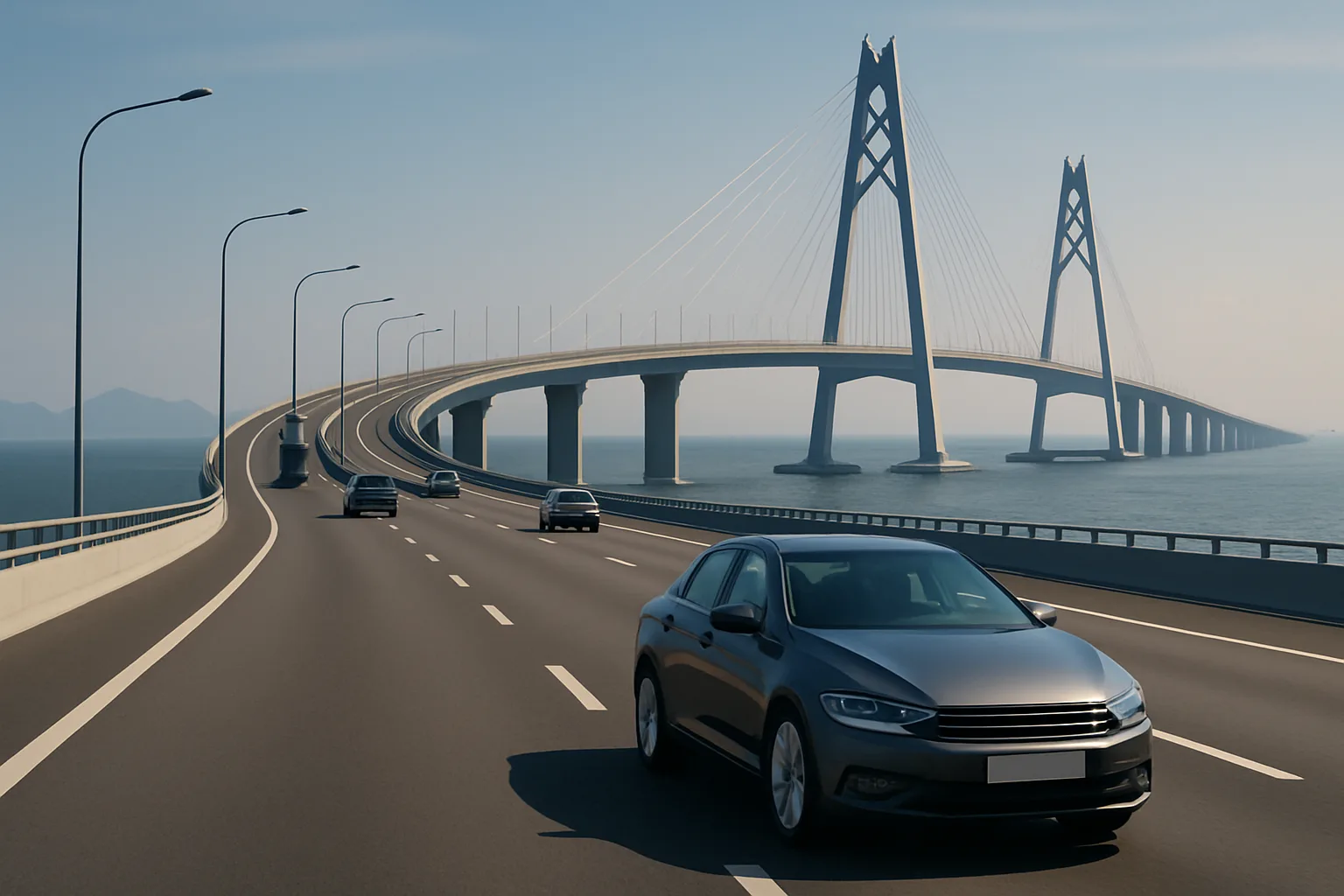
The Hong Kong-Zhuhai-Macau Bridge, the world's longest sea crossing, officially opened today, promising to enhance connectivity and economic collaboration in the Greater Bay Area. This monumental infrastructure project is expected to significantly reduce travel time and boost tourism between the three regions.
Introduction
In a historic moment for the Greater Bay Area, the Hong Kong-Zhuhai-Macau Bridge (HZMB) was inaugurated today, marking its status as the world’s longest sea crossing. Spanning approximately 55 kilometers (34 miles), this engineering marvel connects Hong Kong, Zhuhai, and Macau, and is set to transform the economic landscape of the region.
Significance of the Bridge
The HZMB is not just an infrastructural achievement; it symbolizes a new era of connectivity in the Greater Bay Area. By significantly reducing travel time between Hong Kong and Macau from around four hours to just 30 minutes, the bridge is expected to enhance tourism and facilitate smoother trade and commerce across the regions.
Hong Kong Chief Executive Carrie Lam stated during the opening ceremony, "The bridge is a testament to our commitment to enhancing connectivity and fostering economic growth. It will promote collaboration among the three regions and strengthen our position in the global economy."
Engineering Marvel
The construction of the HZMB began in 2009 and involved an investment of approximately HKD 120 billion (USD 15.3 billion). The project includes a series of bridges, tunnels, and artificial islands, showcasing advanced engineering techniques and innovative design. The bridge is designed to withstand typhoons and earthquakes, ensuring safety and reliability for its users.
One of the most impressive features of the bridge is its underwater tunnel, which allows large vessels to pass above it, thus maintaining the busy shipping routes of the Pearl River Delta. This aspect of the design highlights the bridge’s dual purpose of enhancing connectivity while preserving the region's vital maritime activities.
Economic Impact
Economists predict that the HZMB will have a transformative impact on the economies of Hong Kong, Zhuhai, and Macau. By facilitating easier access to these regions, the bridge is expected to boost tourism, with an influx of visitors eager to explore the diverse cultural and entertainment offerings.
Furthermore, the bridge is anticipated to create job opportunities and stimulate economic growth in various sectors, including transportation, hospitality, and retail. The Hong Kong government has already projected an increase in cross-border travel and trade, which will contribute to the overall economic development of the Greater Bay Area.
Challenges Ahead
Despite the optimism surrounding the HZMB, challenges remain. The bridge's high toll fees have raised concerns about accessibility for lower-income travelers. Additionally, the integration of transportation systems between the three regions poses logistical challenges that will need to be addressed to ensure smooth operations.
Moreover, environmentalists have voiced concerns regarding the ecological impact of the bridge's construction and its potential effects on marine life in the Pearl River Delta. Ongoing monitoring and mitigation efforts will be crucial to address these issues and ensure sustainable development in the region.
Conclusion
The opening of the Hong Kong-Zhuhai-Macau Bridge marks a significant milestone in regional connectivity and economic collaboration. As the world’s longest sea crossing, it stands as a testament to human ingenuity and ambition, paving the way for a more interconnected and prosperous future for Hong Kong, Zhuhai, and Macau.