Hoover Institution Hosts Annual Summer Workshop on Modern China and Taiwan
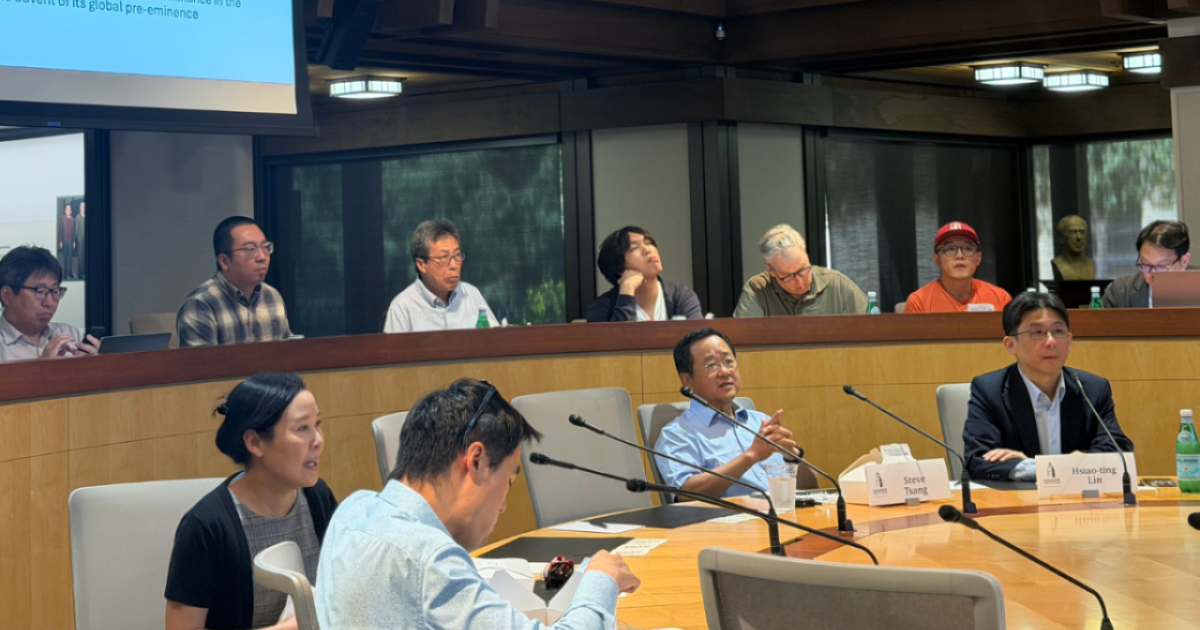
The Hoover Institution's annual summer workshop brings together scholars and experts to discuss the evolving dynamics between China and Taiwan. This year's event focused on the implications of geopolitical shifts and domestic policies in both regions.
Exploring the Complex Relationship Between China and Taiwan
The Hoover Institution at Stanford University recently hosted its annual summer workshop dedicated to the intricate and evolving relationship between China and Taiwan. Scholars, policymakers, and experts gathered to analyze the latest developments in both regions, with a particular focus on the geopolitical implications of recent events.
Key Themes and Discussions
This year's workshop featured a series of panels and discussions that delved into various aspects of modern China and Taiwan. One of the central themes was the impact of China's assertive foreign policy on Taiwan's security and international standing. Experts highlighted how Beijing's increasing military presence in the Taiwan Strait has heightened tensions and raised concerns among Taiwanese citizens and the international community.
Domestic Policies and Their Impact
Another significant topic of discussion was the domestic policies of both China and Taiwan. In Taiwan, the recent elections and the rise of pro-independence sentiment were examined, with speakers emphasizing the importance of maintaining democratic values amid external pressures. Conversely, discussions on China's domestic governance, including its approach to dissent and civil liberties, provided a stark contrast to Taiwan's political landscape.
Geopolitical Shifts and International Relations
The workshop also addressed the broader geopolitical shifts that are influencing the relationship between China and Taiwan. The United States' strategic pivot towards Asia and its commitment to supporting Taiwan were highlighted as crucial factors in the region's security dynamics. Experts discussed how U.S. policy could shape the future of cross-strait relations and the potential for conflict or cooperation.
Collaborative Efforts and Future Prospects
Participants emphasized the need for collaborative efforts to address the challenges posed by the current geopolitical climate. The importance of dialogue between Taiwan and China was underscored, with many advocating for a peaceful resolution to ongoing tensions. The workshop concluded with a call for continued research and engagement to foster understanding and cooperation in the region.
Conclusion
The Hoover Institution's annual summer workshop provided a vital platform for discussing the complexities of modern China and Taiwan. As both regions navigate an increasingly uncertain landscape, the insights gained from this gathering will contribute to a deeper understanding of their relationship and the broader implications for global peace and stability.