HSBC Chair Calls for Middle East Peace Deal to Restore Global Energy Flows
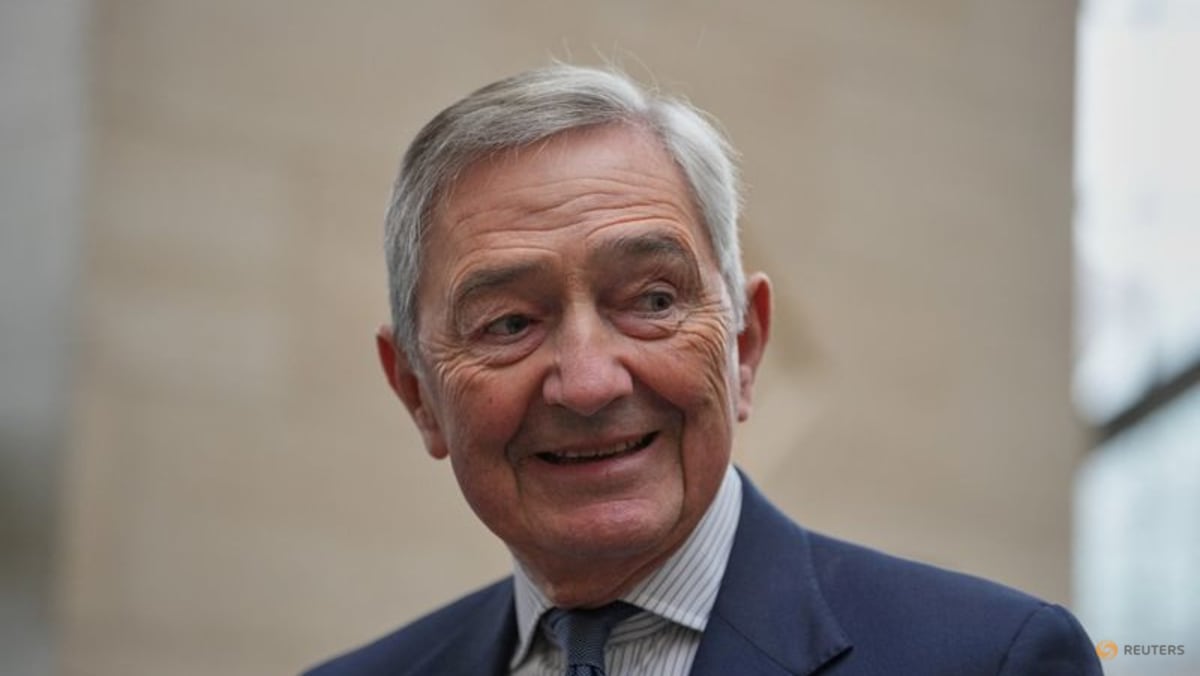
HSBC's chair emphasizes the urgent need for a peace agreement in the Middle East to stabilize global energy markets. The remarks come amid ongoing tensions that threaten energy supplies and economic recovery worldwide.
HSBC Chair Calls for Middle East Peace Deal to Restore Global Energy Flows
In a significant statement that underscores the interconnectedness of global markets, HSBC Chair Mark Tucker has called for a comprehensive peace deal in the Middle East. His remarks come at a time when geopolitical tensions in the region are causing disruptions in energy supplies, which could have far-reaching implications for the global economy.
During a recent conference, Tucker highlighted that the ongoing conflicts in the Middle East are not only a humanitarian crisis but also a critical issue for global energy security. He pointed out that stability in this region is essential for restoring normalcy in energy flows, which have been severely affected by recent escalations in violence.
“The Middle East remains a pivotal area for energy production, and the current unrest is creating uncertainty that impacts markets worldwide. A peace agreement is not just a necessity for the people of the region but for the global economy as well,” Tucker stated. His comments reflect a growing concern among business leaders about the potential for continued instability to derail economic recovery efforts in the wake of the COVID-19 pandemic.
The Middle East is home to some of the world’s largest oil and gas reserves, and any disruption in supply can lead to significant fluctuations in energy prices. Tucker's call for peace comes as oil prices have already seen volatility due to geopolitical tensions, which could further exacerbate inflationary pressures across various economies.
HSBC's chair emphasized that the financial sector must advocate for diplomatic solutions that can lead to lasting peace. “It is crucial for businesses to engage in discussions that promote stability and cooperation. The financial community has a role to play in supporting initiatives that foster dialogue and understanding,” he added.
In recent months, the international community has witnessed a series of escalations in the Middle East, including conflicts involving Israel and Palestine, as well as tensions between Iran and its neighboring countries. These conflicts have not only led to humanitarian crises but have also raised alarms in financial markets, with investors closely monitoring developments that could impact energy supplies.
Analysts suggest that the lack of a stable geopolitical environment in the Middle East could hinder global economic recovery. “If energy prices continue to rise due to instability, it could lead to increased costs for businesses and consumers alike, thereby stalling economic growth,” said Fiona Cincotta, a senior market analyst.
Moreover, Tucker's statements resonate with a broader call among business leaders for a shift in focus towards sustainable practices and energy diversification. As the world grapples with climate change, the reliance on fossil fuels from politically unstable regions poses a significant risk to long-term sustainability goals.
“We must also consider the transition to renewable energy sources. While the Middle East remains a key player in fossil fuels, the future lies in diversifying our energy sources and investing in sustainable technologies,” Tucker emphasized.
As the world watches the unfolding situation in the Middle East, the call for peace and stability becomes increasingly urgent. Business leaders like Tucker are advocating for a united front to address the challenges posed by geopolitical tensions and their implications for global markets.
In conclusion, the need for a comprehensive peace deal in the Middle East is not merely a political issue; it is a necessity for the health of the global economy. As businesses navigate the complexities of a post-pandemic world, the emphasis on stability in energy flows will be crucial for fostering economic growth and sustainability.