HSBC Chair Urges Middle East Peace for Global Energy Stability
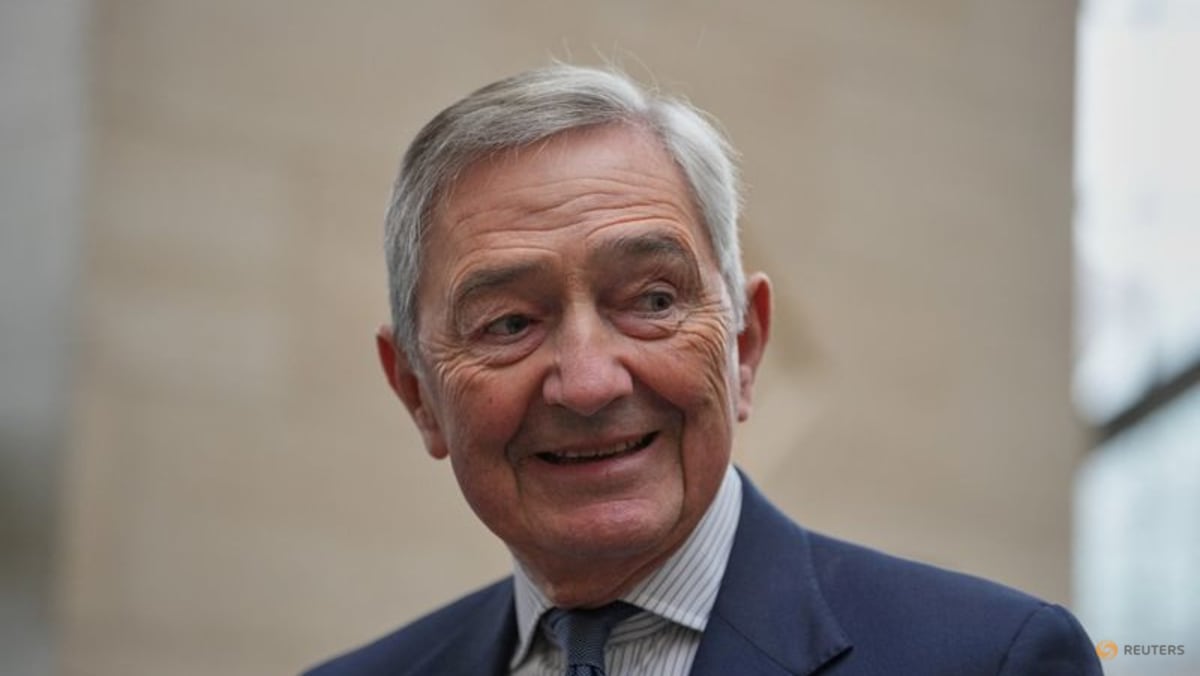
HSBC's chair emphasizes the critical need for a peace deal in the Middle East to restore stability in global energy flows. The statement highlights the interconnectedness of geopolitical stability and economic health in the energy sector.
HSBC Chair Urges Middle East Peace for Global Energy Stability
In a recent statement, the chair of HSBC Holdings, Mark Tucker, underscored the urgent need for a peace agreement in the Middle East to restore stability in global energy flows. Speaking at an international business conference, Tucker emphasized that the ongoing conflicts in the region have significant repercussions on energy markets worldwide, affecting everything from oil prices to supply chain reliability.
Tucker's comments come in the wake of escalating tensions in the Middle East, particularly following recent military conflicts and political unrest that have disrupted oil production and transportation routes. The chair pointed out that the volatility in energy markets not only affects oil-exporting countries but also has a ripple effect on global economies, including those in Asia and Europe, which heavily rely on Middle Eastern oil.
The Interconnectedness of Peace and Energy
During his address, Tucker elaborated on the interconnectedness of geopolitical stability and economic health, stating, "A stable Middle East is crucial for global energy security. Without peace, we face unpredictable fluctuations in energy prices, which can lead to inflation and economic instability across the globe." He called for international cooperation to foster dialogue and negotiate lasting peace in the region.
HSBC, being one of the world's largest banking and financial services organizations, has a vested interest in the stability of energy markets. The bank's operations span multiple continents, and any disruption in energy supply can have far-reaching consequences for its clients and investment portfolios. Tucker's remarks reflect a growing concern among financial leaders about the impact of geopolitical tensions on the global economy.
Energy Transition and Market Stability
As the world shifts towards renewable energy sources, Tucker acknowledged the importance of this transition in achieving long-term energy security. However, he cautioned that the current reliance on fossil fuels, particularly from the Middle East, remains significant in the short to medium term. "The transition to renewable energy is essential, but we must recognize that we are still heavily dependent on oil and gas. A stable supply from the Middle East is vital during this transition period," he stated.
In light of these challenges, Tucker urged governments and businesses to work collaboratively to create frameworks that promote peace and stability in the region. He suggested that international financial institutions could play a role in facilitating dialogue and providing economic incentives for peace initiatives.
Implications for Investors
The implications of Tucker's statements extend beyond geopolitical concerns; they also resonate with investors who are increasingly wary of the risks associated with energy investments. The uncertainty surrounding Middle Eastern politics can lead to increased volatility in oil prices, which in turn affects stock markets and investment strategies globally.
Investment analysts suggest that companies with significant exposure to energy markets should closely monitor developments in the Middle East. As Tucker pointed out, a peaceful resolution to ongoing conflicts could restore confidence in energy markets and lead to more stable pricing, benefiting both consumers and investors alike.
Conclusion
As the world grapples with the challenges of energy security amidst geopolitical tensions, the call for peace in the Middle East has never been more urgent. HSBC's Mark Tucker has highlighted the critical link between regional stability and global economic health, urging a collective effort to foster dialogue and achieve lasting peace. The future of energy flows and economic stability may well depend on the actions taken today.