Huawei Unveils Chip Design Breakthrough Amid U.S. Sanctions
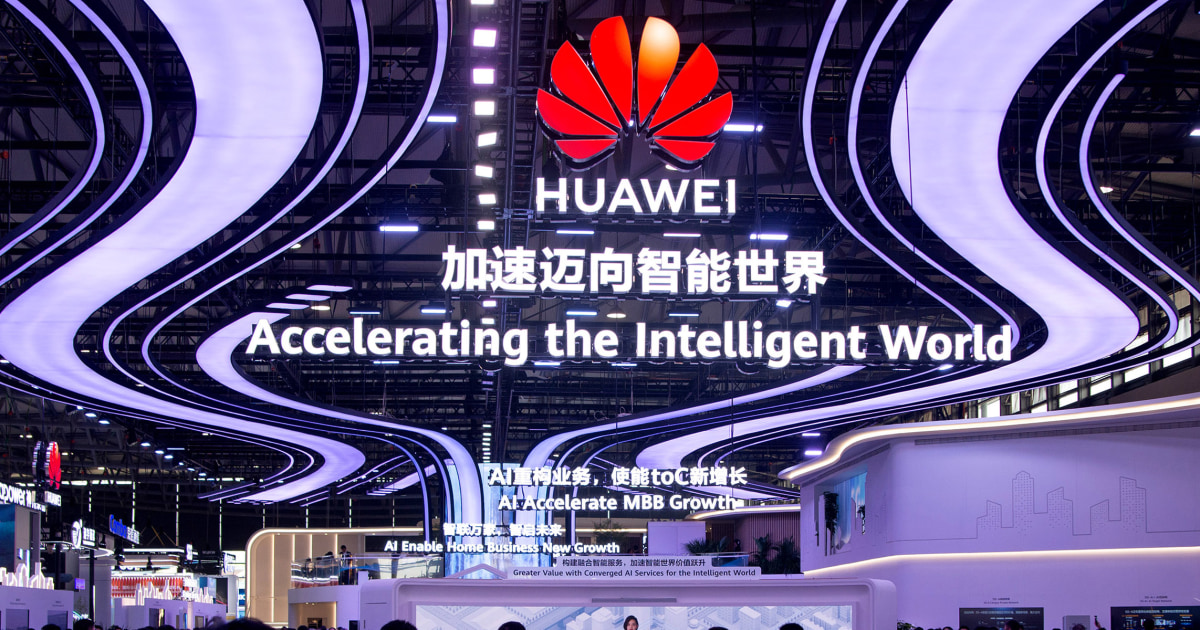
Huawei has announced a significant advancement in chip design, aiming to bolster its technological capabilities in the face of stringent U.S. sanctions. This development marks a pivotal moment for the Chinese tech giant as it seeks to navigate the challenges posed by international trade restrictions.
Introduction
In a bold move to counteract the impact of U.S. sanctions, Huawei Technologies Co. has revealed a groundbreaking advancement in its chip design capabilities. The announcement, made during a press conference in Shenzhen, highlights the company's commitment to innovation and resilience in a rapidly changing technological landscape.
Details of the Breakthrough
Huawei's latest chip design, dubbed the "Kirin 9000S," is touted as a significant leap forward in processing power and efficiency. The company claims that this new chip will not only enhance the performance of its smartphones but also pave the way for advancements in artificial intelligence and cloud computing. According to Huawei's Chief Technology Officer, the Kirin 9000S utilizes a novel architecture that allows for improved energy consumption, making it suitable for a variety of applications beyond mobile devices.
Context of U.S. Sanctions
The announcement comes in the wake of escalating tensions between the United States and China, particularly in the tech sector. Since 2019, Huawei has faced a series of restrictions that have severely limited its access to critical technology and components, including semiconductors. These sanctions have forced the company to pivot its strategy, focusing on developing its own technologies to mitigate reliance on foreign suppliers.
Strategic Implications
Industry analysts view this breakthrough as a strategic move that could significantly alter the competitive landscape in the global tech industry. By successfully developing its own chips, Huawei could reduce its vulnerability to external pressures and sanctions, potentially positioning itself as a leader in semiconductor technology. This development also aligns with China's broader goals of achieving self-sufficiency in key technological sectors.
Market Reactions
Following the announcement, shares of Huawei's competitors saw a notable decline, indicating investor concerns about the potential implications of Huawei's advancements. Companies such as Qualcomm and Intel, which have previously benefited from Huawei's reliance on their technologies, may need to reassess their strategies in light of this new competition.
Future Prospects
Looking ahead, Huawei plans to accelerate its research and development efforts, aiming to further enhance its chip design capabilities. The company has also expressed intentions to collaborate with local universities and research institutions to foster innovation in semiconductor technology. This approach not only aims to bolster Huawei's technological prowess but also contributes to China's ambitions of becoming a global leader in technology.
Conclusion
Huawei's announcement of a chip design breakthrough serves as a testament to the company's resilience in the face of adversity. As it navigates the complexities of U.S. sanctions, Huawei's commitment to innovation could redefine its future and influence the global tech landscape. The coming months will be crucial as the company seeks to capitalize on this advancement and further establish its position in the competitive world of technology.