Imprisoned Hong Kong Ex-Publisher Jimmy Lai's Plight Highlights Press Freedom Erosion
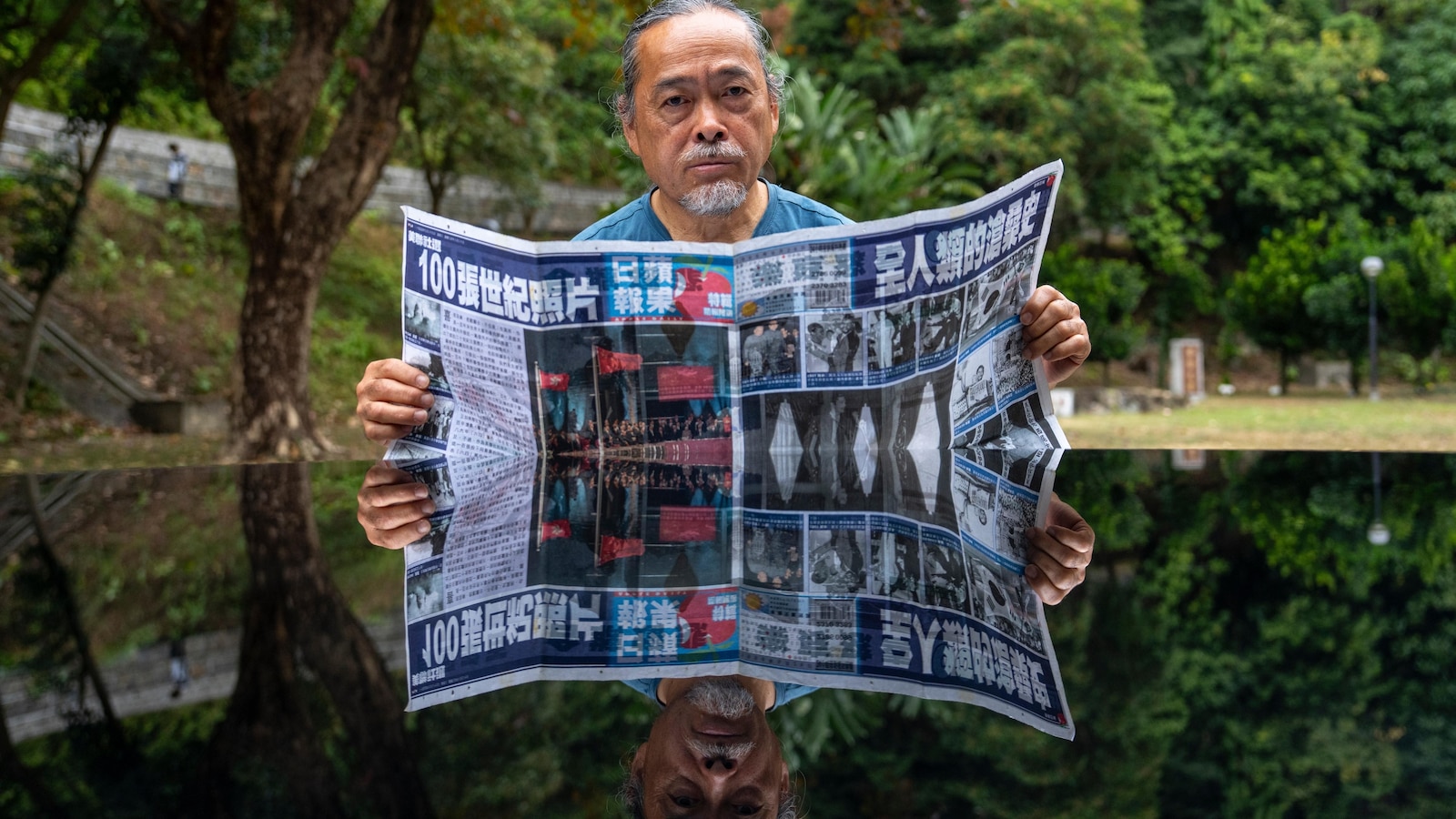
The imprisonment of Jimmy Lai, a prominent figure in Hong Kong's media landscape, has sparked widespread concern over the state of press freedoms in the region. As Lai faces serious charges under the national security law, many fear for the future of journalism in Hong Kong.
Introduction
The plight of Jimmy Lai, the ex-publisher of the now-defunct Apple Daily, has become a poignant symbol of the deteriorating press freedoms in Hong Kong. Lai, who has been imprisoned since December 2020, is facing multiple charges under the controversial national security law imposed by Beijing. His case has drawn international attention and raised alarm bells about the future of journalism in the city.
Background on Jimmy Lai
Jimmy Lai, a billionaire media tycoon, founded Apple Daily in 1995, which quickly became known for its critical stance against the Chinese government and its support for pro-democracy movements in Hong Kong. Lai's outspoken advocacy for democracy and human rights made him a target for the authorities, culminating in his arrest during the crackdown on dissent following the 2019 protests.
Charges and Imprisonment
Lai is currently facing a series of charges, including collusion with foreign forces, which carries a maximum sentence of life imprisonment. His trial has been marred by concerns over transparency and fairness, with many observers noting that the legal proceedings appear to be politically motivated. The Hong Kong government has consistently defended the national security law as necessary for stability, but critics argue that it is a tool for suppressing dissent.
Impact on Press Freedoms
The case of Jimmy Lai has broader implications for press freedoms in Hong Kong. Since the enactment of the national security law, numerous journalists and media outlets have faced intimidation, harassment, and legal action. The closure of Apple Daily in June 2021 marked a significant blow to independent journalism in the region, as it was one of the last remaining voices advocating for press freedom and transparency.
International Reactions
Internationally, Lai's imprisonment has been met with widespread condemnation. Human rights organizations, foreign governments, and media watchdogs have called for his release, emphasizing the importance of a free press in any democratic society. The United States, the European Union, and various human rights groups have expressed concern over the implications of Lai's case for the future of journalism in Hong Kong and have urged China to uphold its commitments to protect civil liberties.
Public Sentiment
Within Hong Kong, public sentiment regarding Lai's imprisonment is mixed. While many support his cause and view him as a martyr for press freedom, others fear the repercussions of openly expressing dissent in a climate of increasing repression. The chilling effect of the national security law has led to self-censorship among journalists, with many opting to avoid sensitive topics to protect themselves and their families.
The Future of Journalism in Hong Kong
As the situation continues to evolve, the future of journalism in Hong Kong remains uncertain. With the ongoing crackdown on dissent and the erosion of press freedoms, many wonder how long independent media can survive in the city. Lai's case serves as a stark reminder of the challenges faced by journalists in Hong Kong and the urgent need for solidarity in the fight for press freedom.
Conclusion
Jimmy Lai's imprisonment is not just a personal tragedy; it is emblematic of a broader struggle for press freedom in Hong Kong. As the international community watches closely, the hope remains that Lai's courage will inspire a renewed commitment to defending the rights of journalists and the fundamental principles of a free society.