India and China Engage in 35th WMCC Talks in Beijing to Strengthen Border Management and Bilateral Relations
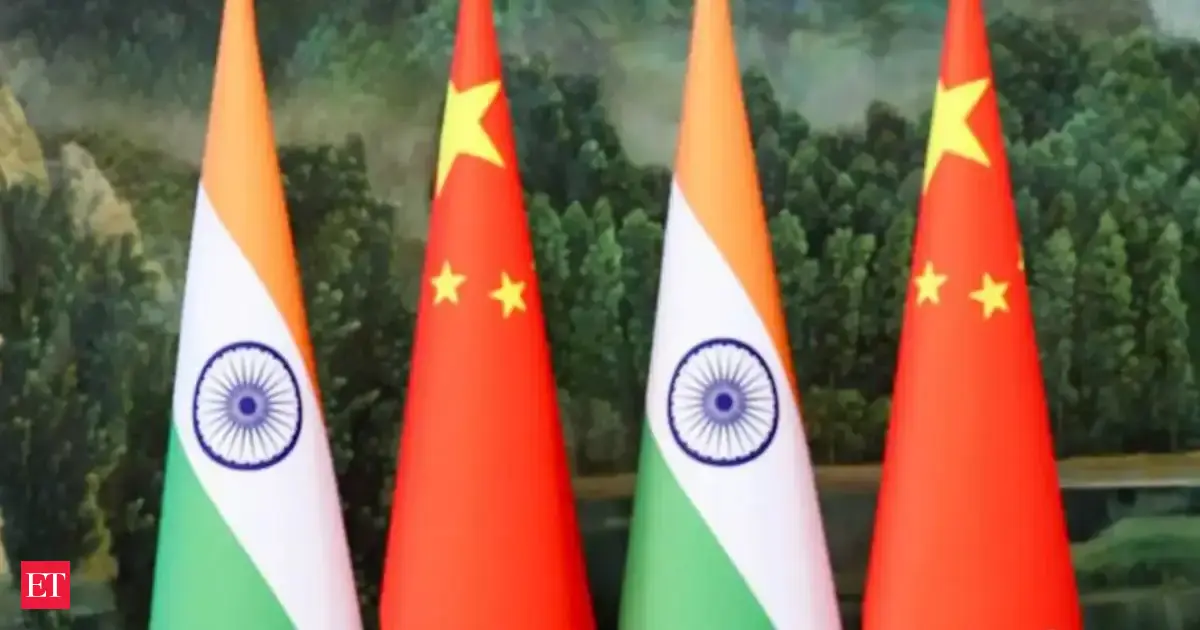
India and China have convened for the 35th round of the Working Mechanism for Consultation and Coordination on India-China Border Affairs (WMCC) in Beijing. The discussions focused on enhancing border management and fostering stronger bilateral ties amidst ongoing tensions.
India and China Engage in 35th WMCC Talks in Beijing
In a significant diplomatic move, India and China held the 35th round of the Working Mechanism for Consultation and Coordination on India-China Border Affairs (WMCC) in Beijing on October 11, 2023. The meeting was aimed at addressing ongoing border management issues and enhancing bilateral relations between the two nations, which have historically been marred by tensions.
Focus on Border Management
The discussions primarily revolved around strategies for effective border management, with both sides reiterating their commitment to maintaining peace and tranquility along the Line of Actual Control (LAC). This comes in the wake of several skirmishes and military standoffs in recent years, which have heightened concerns over border security and territorial integrity.
High-Level Engagement
Attending the talks were senior officials from both countries, including representatives from the Ministry of External Affairs of India and the Ministry of Foreign Affairs of China. The engagement reflects the importance both nations place on dialogue as a means to resolve disputes and foster cooperation.
Strengthening Bilateral Ties
In addition to border management, the talks also aimed to strengthen overall bilateral ties, which have been under strain due to various geopolitical factors. Both nations have expressed a desire to enhance trade relations, cultural exchanges, and collaborative efforts in areas such as climate change and regional security.
Context of the Talks
The WMCC was established in 2012 as a platform for both countries to address border issues and facilitate communication. The mechanism has played a crucial role in managing tensions and preventing conflicts, especially in light of the 2020 Galwan Valley clash, which resulted in casualties on both sides. Since then, maintaining dialogue has been seen as essential for long-term peace.
Recent Developments
In the lead-up to this round of talks, both nations have taken steps to de-escalate tensions. Earlier this year, India and China agreed to disengage from certain flashpoints along the LAC, a move that was welcomed by the international community. However, challenges remain, particularly concerning infrastructure development and military deployments along the border.
Looking Ahead
The outcome of the recent WMCC talks remains to be seen, but analysts suggest that continued dialogue is vital for both countries to navigate their complex relationship. As India emerges as a significant player in the Indo-Pacific region and China asserts its influence, the need for cooperative engagement becomes increasingly critical.
Conclusion
As the world watches closely, the India-China relationship will likely shape not only regional dynamics but also global geopolitics in the coming years. The WMCC talks in Beijing represent a step towards addressing long-standing issues and fostering a more stable and cooperative relationship between the two nations.