India Eases FDI Rules for Foreign Companies with Chinese Stake
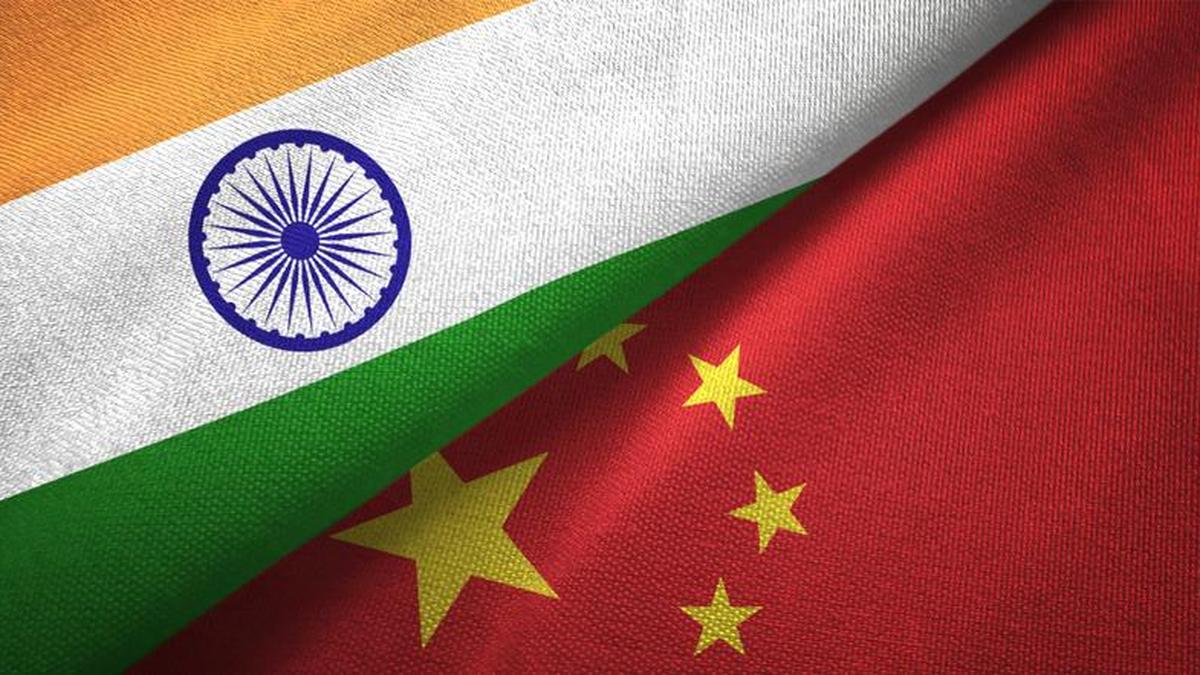
India's finance ministry has announced significant changes to the Foreign Exchange Management Act (FEMA) rules, allowing foreign companies with up to 10% Chinese ownership to invest more freely. This move is expected to enhance foreign direct investment (FDI) inflows and strengthen economic ties.
Introduction
In a significant policy shift aimed at boosting foreign direct investment (FDI), the Indian finance ministry has notified changes to the Foreign Exchange Management Act (FEMA) rules. The new regulations allow foreign companies with up to a 10% stake from China to invest in India without the stringent restrictions previously in place. This development is expected to enhance India's attractiveness as an investment destination, particularly in the wake of ongoing geopolitical tensions.
Details of the New Regulations
The amended FEMA rules, which were officially announced on [insert date], permit foreign entities with a minority Chinese stake to engage in various sectors of the Indian economy. This includes critical industries such as technology, manufacturing, and infrastructure, which have been identified as key areas for growth and development. The previous regulations had imposed strict scrutiny on investments from Chinese firms, largely due to national security concerns following border tensions between the two countries.
Background of FDI Restrictions
The tightening of FDI norms for Chinese companies began in 2020, following a series of border skirmishes and rising tensions between India and China. The Indian government had implemented measures to curb investments from countries sharing land borders with India, which effectively included China. As a result, many prospective investments were stalled, leading to a decline in FDI inflows from Chinese firms.
Implications of the New Rules
The recent changes are expected to have several positive implications for the Indian economy. Firstly, easing the restrictions on Chinese investments could lead to a surge in FDI inflows, providing much-needed capital for various sectors. This influx of foreign capital can stimulate economic growth, create jobs, and enhance technological transfer, particularly in sectors where China has a competitive advantage.
Moreover, the new rules are likely to foster a more competitive business environment in India. By allowing foreign companies with Chinese stakes to invest, Indian firms may benefit from enhanced competition, leading to innovation and improved services. This could also encourage domestic companies to strengthen their capabilities and improve their market offerings.
Reactions from the Business Community
Business leaders and industry experts have welcomed the government's decision to ease FDI rules. Many view this as a positive step towards revitalizing the investment climate in India. Rajesh Kumar, a prominent economist, stated, "This move reflects India's commitment to attracting global investment while balancing national security concerns. It opens up new avenues for collaboration and growth, particularly in technology and manufacturing sectors."
However, some analysts caution that while the easing of restrictions is a step in the right direction, it is essential for the Indian government to maintain a vigilant approach towards national security. The geopolitical landscape remains complex, and ensuring that investments do not compromise India's strategic interests will be crucial.
Conclusion
As India navigates the complexities of its relationship with China, the recent changes to FEMA rules represent a significant shift in policy aimed at fostering foreign investment. By allowing foreign companies with a limited Chinese stake to invest more freely, India is positioning itself as an attractive destination for global investors. The success of this initiative will depend on how effectively the government manages the balance between encouraging investment and safeguarding national interests.