Innovative Use of Geopolymer Concrete at Brisbane West Wellcamp Airport
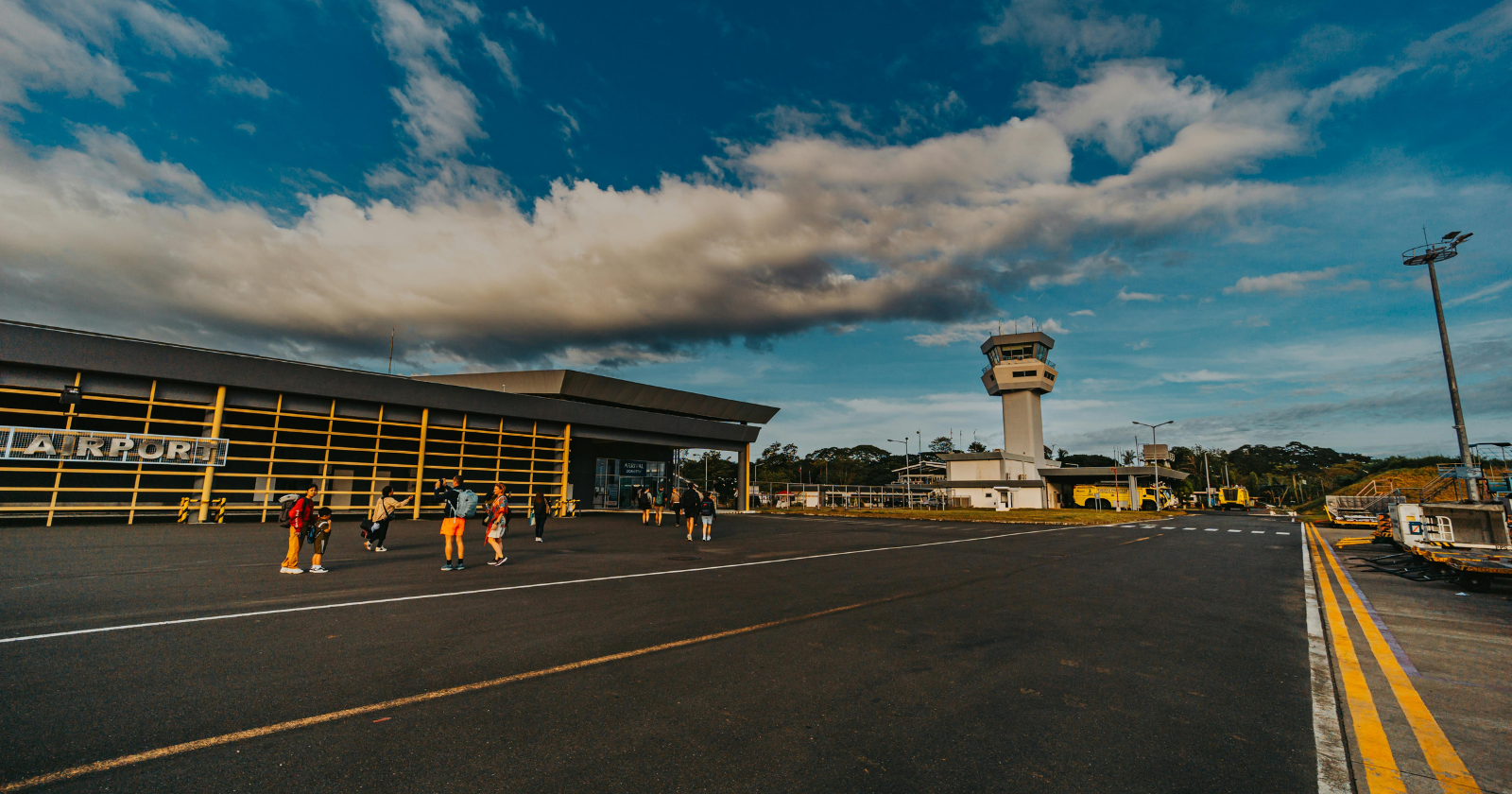
Brisbane West Wellcamp Airport has made strides in sustainable construction by utilizing geopolymer concrete in its heavy-duty pavement. This initiative not only enhances the airport's infrastructure but also sets a precedent for eco-friendly building practices globally.
Brisbane West Wellcamp Airport Pioneers Sustainable Construction
In a groundbreaking move for sustainable infrastructure, Brisbane West Wellcamp Airport in Australia has successfully implemented the use of geopolymer concrete in its construction processes. This innovative material, made with a slag-and-fly-ash geopolymer binder, has replaced traditional Portland cement, marking a significant step towards reducing the carbon footprint associated with concrete production.
Details of the Project
In 2014, the airport's construction crews utilized approximately 40,000 cubic meters of this environmentally friendly concrete for its heavy-duty pavement. The pavement, measuring 435 millimeters in thickness, was specifically designed for the turning node, apron, and taxiway, which are crucial for accommodating scheduled cargo flights, including those bound for Hong Kong via Boeing 747 aircraft.
The Benefits of Geopolymer Concrete
Geopolymer concrete is celebrated for its reduced environmental impact compared to conventional concrete. The production of traditional Portland cement is responsible for a significant portion of global carbon emissions, accounting for about 8% of the total. In contrast, geopolymer concrete utilizes industrial by-products such as slag and fly ash, which not only diverts waste from landfills but also minimizes the need for virgin materials.
A Sustainable Future for Airports
Brisbane West Wellcamp Airport's initiative is more than just a construction choice; it represents a shift towards sustainable practices in the aviation industry. As airports around the world grapple with the challenges of climate change and environmental sustainability, the adoption of geopolymer concrete could serve as a model for future projects. The airport's commitment to innovative materials showcases a proactive approach to reducing its ecological footprint while enhancing operational efficiency.
Global Implications
The implications of this project extend beyond Australia. With the aviation sector being a significant contributor to greenhouse gas emissions, the adoption of sustainable materials in airport construction could inspire similar initiatives worldwide. As global demand for air travel continues to rise, the need for environmentally responsible construction practices becomes increasingly urgent.
Conclusion
Brisbane West Wellcamp Airport is setting a precedent for the aviation industry by embracing sustainable construction methods. By utilizing geopolymer concrete, the airport not only enhances its infrastructure but also contributes to a broader movement towards eco-friendly building practices. As the world looks for solutions to combat climate change, the airport's innovative approach may pave the way for a greener future in aviation.