International Team Unveils Mechanisms Behind the Power of Auroras
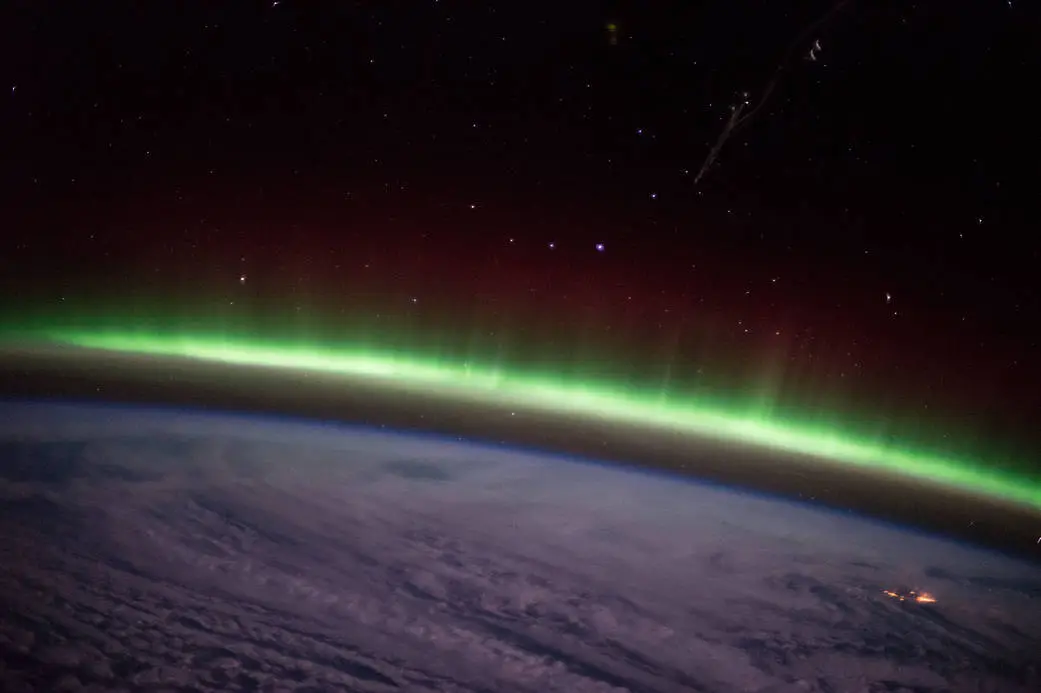
A groundbreaking study by an international team of scientists reveals the intricate processes that drive auroras, shedding light on their origins and implications for Earth. This research not only enhances our understanding of these stunning natural phenomena but also has broader implications for space weather forecasting.
Introduction
Auroras, the breathtaking natural light displays that adorn the polar skies, have long captivated humanity with their beauty and mystery. However, the underlying mechanisms that power these celestial wonders have remained elusive. A recent study conducted by an international team of scientists has made significant strides in uncovering the processes that drive auroras, offering new insights into their origins and the implications for our planet.
The Study
The research, published in the journal Nature Astronomy, involved a collaborative effort from scientists across the globe, including astrophysicists, geophysicists, and atmospheric scientists. The team utilized advanced satellite data, ground-based observations, and computer simulations to analyze the interactions between the solar wind and Earth's magnetic field, which are critical in the formation of auroras.
Key Findings
One of the most significant findings of the study is the identification of the specific mechanisms that convert solar wind energy into the stunning displays of light we see in the night sky. The researchers discovered that when charged particles from the sun collide with atoms and molecules in Earth's atmosphere, they release energy in the form of light. This process is heavily influenced by the strength and orientation of the Earth's magnetic field, which can vary significantly.
Moreover, the study revealed that the intensity and color of auroras are determined by the type of gas in the atmosphere that the solar particles interact with. For instance, interactions with oxygen at higher altitudes produce red and green hues, while nitrogen at lower altitudes results in purples and blues. This nuanced understanding of auroras not only enhances our appreciation of their beauty but also provides critical data for predicting space weather events.
Implications for Space Weather Forecasting
The implications of this research extend beyond the aesthetic appeal of auroras. Understanding the mechanisms that drive these phenomena is crucial for space weather forecasting, which can have significant effects on satellite operations, communication systems, and even power grids on Earth. Solar storms, which are linked to auroras, can disrupt technological infrastructure, leading to economic losses and safety concerns.
By improving our understanding of how solar wind interacts with Earth's magnetic field, scientists can develop more accurate models to predict space weather events. This research represents a vital step towards enhancing our preparedness for potential disruptions caused by solar activity.
Global Collaboration and Future Research
The collaborative nature of this study highlights the importance of international partnerships in scientific research. By pooling resources and expertise from various countries, the team was able to tackle complex questions that would be challenging for individual researchers to address. The findings underscore the need for continued collaboration to further explore the intricacies of auroras and their connection to broader space weather phenomena.
Future research will focus on refining the models used to predict auroras and their associated space weather events. Scientists aim to gather more data from various sources, including satellite missions and ground-based observatories, to enhance the accuracy of their predictions. This ongoing work will not only deepen our understanding of auroras but also contribute to the safety and resilience of our technological systems.
Conclusion
The recent study by an international team of scientists has shed light on the complex processes that power auroras, revealing the intricate dance between solar wind and Earth's magnetic field. As we continue to explore the mysteries of our universe, this research serves as a reminder of the beauty and complexity of the natural world, as well as the importance of collaboration in advancing scientific knowledge.