International Team Unveils Secrets Behind Aurora Power Dynamics
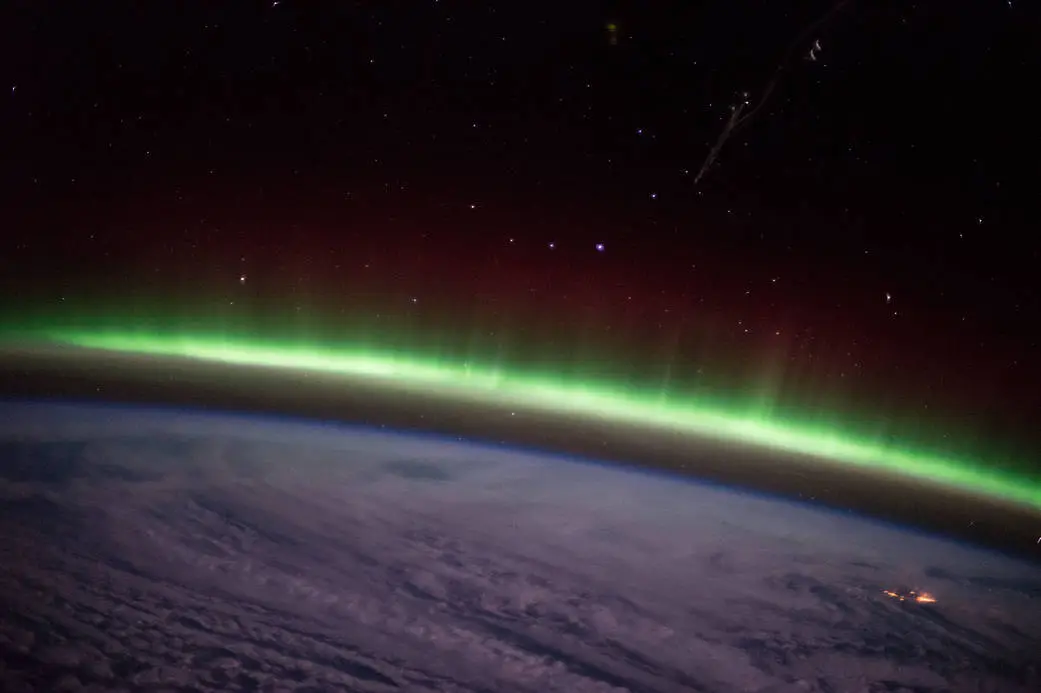
A groundbreaking study by an international team of scientists reveals the mechanisms that power auroras, shedding light on the complex interactions between solar winds and Earth's magnetic field. This research not only enhances our understanding of these stunning natural phenomena but also has implications for space weather forecasting.
Introduction
A recent study conducted by an international team of scientists has made significant strides in understanding the mechanisms that power the mesmerizing natural light displays known as auroras. These spectacular phenomena, often seen in polar regions, are the result of complex interactions between solar winds and Earth’s magnetic field. The findings, published in a leading scientific journal, promise to enhance our understanding of space weather and its potential impacts on technology and climate.
The Science Behind Auroras
Auroras, commonly referred to as the Northern and Southern Lights, occur when charged particles from the sun collide with gases in Earth’s atmosphere. These interactions create stunning displays of light, predominantly green, pink, and purple hues. The recent research has uncovered the intricate processes that govern these interactions, particularly focusing on the role of the Earth’s magnetic field and the solar wind.
Key Findings
The research team utilized advanced modeling techniques and data collected from various satellites to analyze the conditions under which auroras are generated. They discovered that the intensity and color of auroras are influenced by the density and speed of the solar wind, as well as the orientation of the magnetic field lines. This understanding could lead to better predictions of auroral activity, which is crucial for both scientific research and practical applications.
Implications for Space Weather Forecasting
Understanding the dynamics of auroras is not just an academic pursuit; it has real-world implications. Space weather, driven by solar activity, can significantly impact satellite operations, GPS systems, and even power grids on Earth. By improving our ability to forecast auroral events, the research could help mitigate the risks associated with solar storms, which can disrupt communication systems and lead to power outages.
International Collaboration
This study exemplifies the power of international collaboration in scientific research. The team comprised scientists from various countries, including the United States, Canada, Norway, and Japan, each bringing unique expertise to the project. Their combined efforts highlight the importance of sharing knowledge and resources in tackling complex scientific questions.
Future Research Directions
While this study has provided valuable insights, the researchers emphasize that there is still much to learn about auroras and space weather. Future research will aim to explore the long-term effects of solar activity on Earth’s climate and the potential for auroras to serve as indicators of solar storms. Additionally, the team plans to investigate the role of other celestial phenomena in influencing auroral activity.
Conclusion
The recent findings on the mechanisms that power auroras mark a significant advancement in our understanding of these awe-inspiring natural displays. As scientists continue to unravel the complexities of space weather, the implications of their research will extend beyond the beauty of the auroras, potentially enhancing our capacity to predict and respond to solar activity that affects our daily lives. This study not only enriches our scientific knowledge but also underscores the importance of global cooperation in addressing the challenges posed by our ever-changing environment.