Japan's Diet Members and Citizens Rally Against PM's Erroneous Remarks on Taiwan
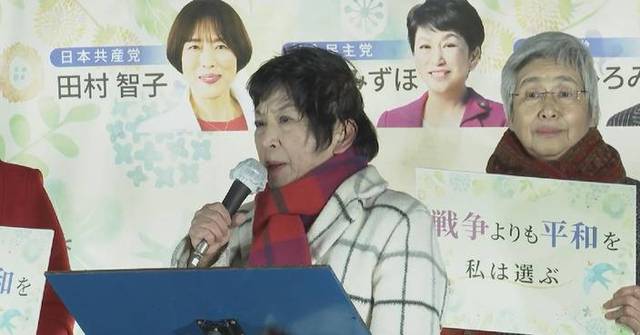
Japanese Prime Minister's recent comments regarding Taiwan have sparked significant backlash among Diet members and citizens. The incident highlights rising tensions in East Asia and the delicate balance of international relations.
Introduction
In a surprising turn of events, Japanese Prime Minister Fumio Kishida has found himself at the center of controversy following remarks he made regarding Taiwan. His comments, perceived as erroneous by many, have prompted a wave of protests and strong reactions from both citizens and members of Japan's Diet, the country's legislative body.
The Controversial Remarks
During a recent public address, Prime Minister Kishida referred to Taiwan as a part of Japan's security considerations, suggesting a more assertive stance towards the island's defense. This statement was interpreted by many as a departure from Japan's traditionally cautious approach to Taiwan, which China considers a breakaway province. Kishida's remarks have raised eyebrows, especially given the historical context of Japan's relationship with Taiwan and China.
Public Outcry and Political Reactions
Following the Prime Minister's comments, a significant number of citizens took to the streets in protest, voicing their concerns over what they perceive as a dangerous escalation in rhetoric. Demonstrators carried banners reading, 'Taiwan is not Japan's to defend' and 'Peace over Provocation,' reflecting a growing anxiety about the potential for conflict in the region.
Members of the Diet have also expressed their discontent, with several lawmakers from various parties calling for a retraction of Kishida's statements. They argue that such comments could provoke China, which has been increasingly assertive in its claims over Taiwan. The backlash has led to calls for a more measured approach to foreign policy, emphasizing diplomacy and dialogue over military posturing.
Historical Context
The relationship between Japan, Taiwan, and China is complex and deeply rooted in history. Following Japan's colonial rule over Taiwan from 1895 to 1945, the island has maintained a unique identity, and its status remains a sensitive issue. Japan has historically avoided taking sides in the Taiwan-China dispute, opting instead for a policy of non-interference.
However, the changing geopolitical landscape in East Asia, marked by China's growing military capabilities and assertiveness, has led Japan to reconsider its stance. Recent events, including military exercises and increased tensions in the Taiwan Strait, have prompted discussions within Japan about the need for a more proactive defense strategy.
International Implications
Kishida's remarks come at a time when the United States and other allies are also reassessing their positions on Taiwan. The U.S. has been vocal in its support for Taiwan, providing military aid and conducting freedom of navigation operations in the region. Japan's alignment with U.S. policy could have significant implications for regional stability, particularly in light of China's response to perceived threats.
China has already reacted to Kishida's comments, with officials warning against any attempts to alter the status quo regarding Taiwan. The Chinese government has reiterated its commitment to reunification and has expressed strong disapproval of any foreign interference in what it considers an internal matter.
Conclusion
The backlash against Prime Minister Kishida's remarks underscores the delicate balance Japan must maintain in its foreign policy. As tensions continue to rise in East Asia, the need for careful diplomacy and dialogue becomes increasingly critical. The situation remains fluid, and how Japan navigates this controversy will likely have lasting implications for its relations with both Taiwan and China.