Japan's Volcano Islands Shaken by 6.0-Magnitude Earthquake
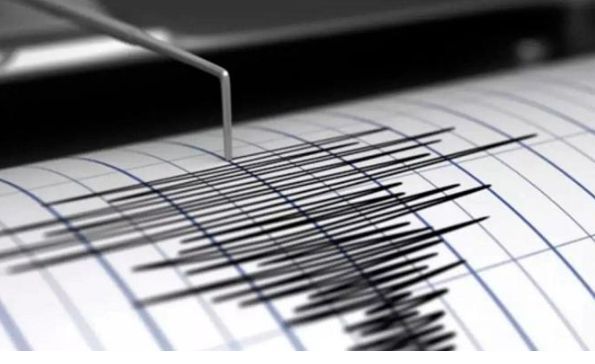
A powerful 6.0-magnitude earthquake struck Japan's Volcano Islands, causing significant concern among residents and authorities. The quake, which occurred on Friday, has prompted discussions about the region's seismic activity and preparedness measures.
Seismic Activity Strikes Japan's Volcano Islands
Japan's Volcano Islands experienced a substantial 6.0-magnitude earthquake on Friday, sending shockwaves across the region and raising alarms about the potential for further seismic activity. The quake struck at approximately 3:30 PM local time, with its epicenter located near the Ogasawara Islands, a remote archipelago situated about 1,000 kilometers south of Tokyo.
Impact and Immediate Response
Initial reports indicate that the earthquake was felt strongly on several of the islands, with residents describing a jarring sensation that lasted for several seconds. Fortunately, there have been no immediate reports of casualties or significant damage, though local authorities are conducting thorough assessments to ensure the safety of the inhabitants.
In response to the quake, Japan's Meteorological Agency (JMA) issued a statement urging residents to remain vigilant and prepared for potential aftershocks. “While we have not detected any tsunami risk at this time, we encourage everyone to stay alert and follow safety protocols,” said a JMA spokesperson during a press briefing.
Geological Context
The Volcano Islands, known for their stunning natural beauty and unique ecosystems, are situated along the Pacific Ring of Fire, an area notorious for its high seismic and volcanic activity. This region experiences frequent earthquakes, but a quake of this magnitude raises concerns about the stability of the islands and the preparedness of local infrastructure.
Experts have noted that while Japan is well-equipped to handle seismic events, the remoteness of the Volcano Islands poses unique challenges. “The isolation of these islands means that emergency response teams may take longer to reach affected areas,” explained Dr. Hiroshi Tanaka, a seismologist at the University of Tokyo. “It’s crucial for residents to have emergency plans in place.”
Historical Precedents
This recent earthquake is not an isolated incident; Japan has a long history of seismic activity. In 2011, the country experienced a devastating 9.0-magnitude earthquake off its northeastern coast, which triggered a massive tsunami and led to the Fukushima Daiichi nuclear disaster. Such historical precedents underscore the importance of preparedness in a country that regularly faces natural disasters.
In the wake of the 2011 disaster, Japan has implemented rigorous building codes and emergency response plans to mitigate the impact of earthquakes. However, the Volcano Islands have historically received less attention compared to mainland areas, raising questions about the adequacy of their preparedness.
Community Reactions
Residents of the Volcano Islands expressed a mix of concern and resilience following the quake. Many took to social media to share their experiences, with some posting videos of items falling off shelves and the general chaos that ensued. “It was scary, but we are used to earthquakes. We know what to do,” said one local resident, who chose to remain anonymous.
Local businesses have also begun to assess potential impacts, particularly those in the tourism sector, which is vital for the islands' economy. “We hope this will be a minor event, and that tourists will continue to visit our beautiful islands,” said a local tour operator.
Looking Ahead
As the Volcano Islands recover from this seismic event, authorities will likely increase monitoring efforts and public education campaigns about earthquake preparedness. The JMA continues to analyze seismic data to provide the most accurate forecasts and safety recommendations for residents and visitors alike.
In conclusion, while the immediate effects of the 6.0-magnitude earthquake appear to be manageable, the event serves as a stark reminder of Japan's vulnerability to natural disasters and the ongoing need for vigilance and preparedness in the face of such challenges.