Jimmy Lai Declines to Appeal 20-Year Sentence, Signaling a Shift in Hong Kong's Political Landscape
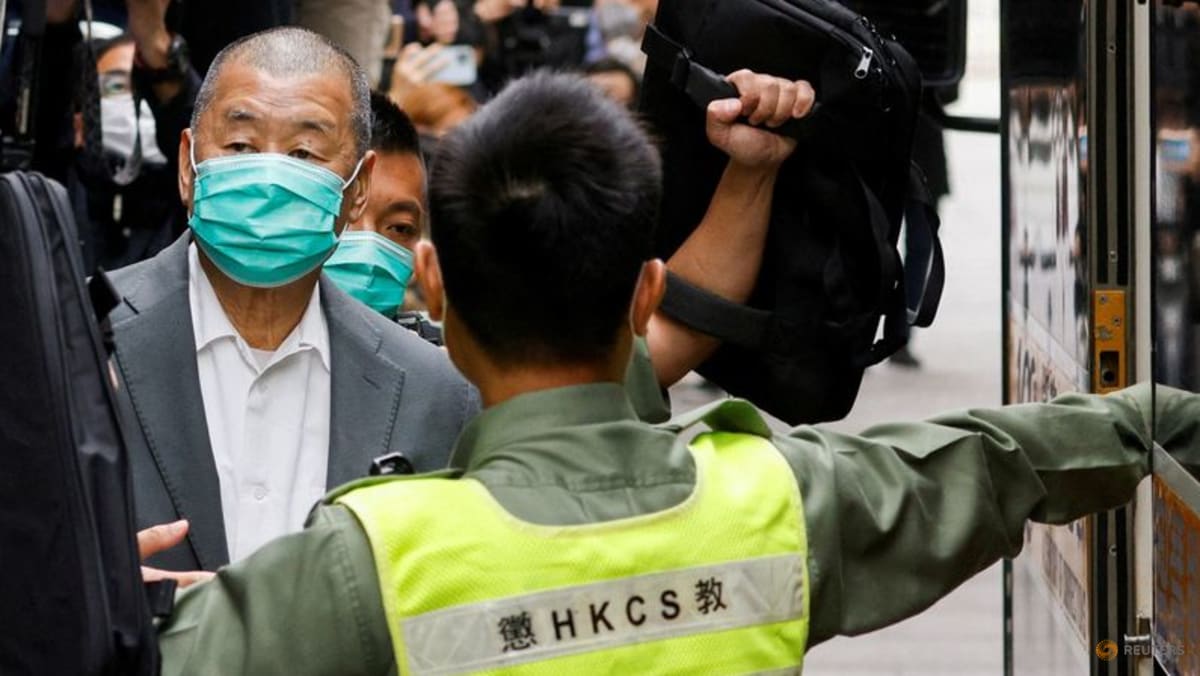
Hong Kong media tycoon Jimmy Lai has decided not to appeal his conviction and 20-year prison sentence, as confirmed by his lawyer. This decision marks a significant moment in the ongoing saga of political dissent in the region.
Jimmy Lai Declines to Appeal 20-Year Sentence
In a significant development for Hong Kong's political landscape, media tycoon Jimmy Lai has chosen not to appeal his recent conviction and subsequent 20-year prison sentence. Lai's lawyer confirmed this decision, which comes amid a backdrop of increasing scrutiny and repression of dissent in the region.
The Case Against Jimmy Lai
Jimmy Lai, founder of the pro-democracy newspaper Apple Daily, was convicted on multiple charges related to his involvement in unauthorized assemblies during the 2019 protests against the Hong Kong government. His sentencing has been viewed by many as a pivotal moment in the Chinese government's ongoing crackdown on dissent in the Special Administrative Region.
Implications of Lai's Decision
By opting not to appeal, Lai may be signaling a resignation to the realities of the current political climate in Hong Kong, where the space for free expression and political opposition has significantly diminished. Many observers see this as a reflection of the broader atmosphere of fear and repression that has enveloped the city since the implementation of the National Security Law in 2020.
International Reaction
Lai's conviction and the decision not to appeal have drawn international condemnation. Human rights organizations and foreign governments have criticized the Hong Kong authorities for what they describe as a systematic dismantling of democratic freedoms. The U.S. State Department has called for Lai's immediate release, labeling his imprisonment as politically motivated.
The Future of Dissent in Hong Kong
As Lai's case unfolds, it raises critical questions about the future of dissent in Hong Kong. The National Security Law has created a chilling effect, leading many activists and journalists to reconsider their roles in a society where the risks of speaking out have become increasingly severe. Lai's decision not to appeal may serve as a cautionary tale for others who might consider challenging the authorities.
Public Sentiment and Support
Despite the challenges, there remains a core group of supporters who continue to rally behind Lai and other pro-democracy figures. Vigils and protests, though heavily monitored and often met with police resistance, still occur, highlighting a persistent desire for democratic freedoms among segments of the population. Lai's supporters view him as a martyr for the cause of democracy, and his plight has galvanized efforts to keep the spirit of dissent alive.
Conclusion
Jimmy Lai's decision not to appeal his conviction is emblematic of the current state of political affairs in Hong Kong. As the city grapples with the implications of the National Security Law and the increasing suppression of dissent, Lai's case will likely remain a focal point in discussions about human rights and freedom of expression in the region. The international community continues to watch closely, as the situation in Hong Kong evolves and the fight for democratic values persists.