Jimmy Lai Declines to Appeal Conviction Amidst Ongoing Political Turmoil
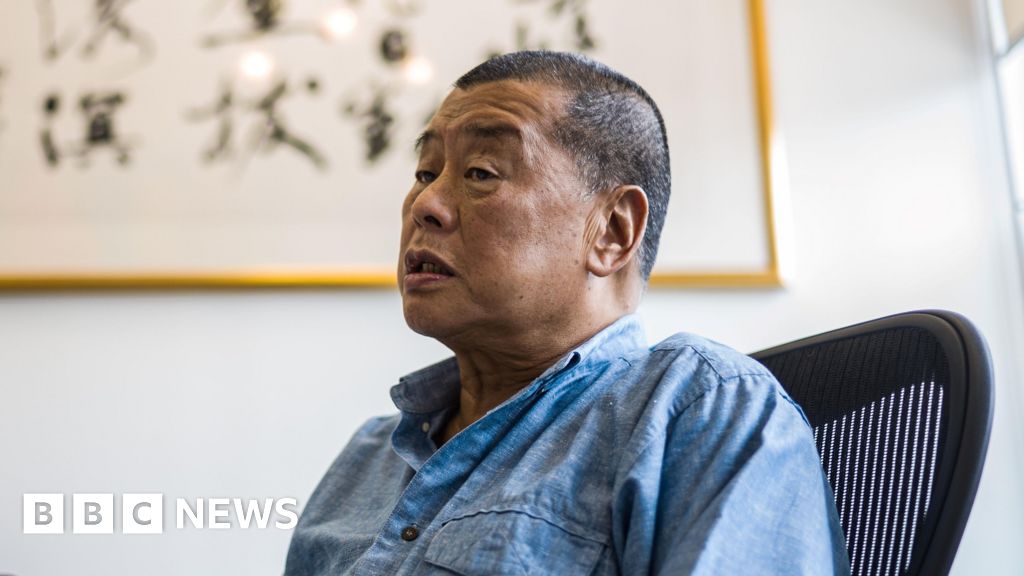
Pro-democracy tycoon Jimmy Lai has announced that he will not appeal his recent conviction, a decision that underscores the challenges faced by dissenting voices in Hong Kong. This move comes as the city continues to grapple with an increasingly restrictive political environment following the implementation of the National Security Law.
Background of the Case
Jimmy Lai, the founder of the pro-democracy newspaper Apple Daily, has become a symbol of resistance against the tightening grip of Beijing on Hong Kong. In a landmark case, Lai was convicted of fraud and sentenced to prison, a decision that has drawn widespread condemnation from international human rights organizations and pro-democracy advocates.
Lai's Decision Not to Appeal
In a surprising turn of events, Lai announced that he would not appeal his conviction. This decision has raised eyebrows among supporters and critics alike, as it reflects the dire circumstances surrounding political dissent in Hong Kong. Lai's legal team stated that the decision was made after careful consideration of the current political climate and the likelihood of a fair trial in the appeal process.
The Political Climate in Hong Kong
The political landscape in Hong Kong has shifted dramatically since the introduction of the National Security Law in 2020. The law has been used to stifle dissent and silence opposition, leading to the arrest of numerous activists, journalists, and politicians. Lai's case is emblematic of the broader crackdown on freedom of expression and the erosion of democratic values in the city.
International Reaction
The international community has reacted strongly to Lai's conviction and the subsequent decision not to appeal. Human rights organizations, including Amnesty International and Human Rights Watch, have condemned the ruling as politically motivated and a clear violation of the rights to free speech and assembly. The United States and several European countries have also expressed concern over the deteriorating human rights situation in Hong Kong, calling for the release of political prisoners and an end to the crackdown on dissent.
Implications for the Future
Lai's decision not to appeal his conviction raises significant questions about the future of political dissent in Hong Kong. Many activists fear that the legal system has been co-opted to serve the interests of the government, making it increasingly difficult for individuals to seek justice or challenge the authorities. This situation has led to a sense of hopelessness among many pro-democracy supporters, who see Lai's case as indicative of the broader suppression of dissent.
Public Sentiment
The public's reaction to Lai's decision has been mixed. While many supporters express solidarity with Lai and view his decision as a courageous stand against an oppressive regime, others are concerned about the implications of such a move. The sentiment among the pro-democracy camp is one of frustration, as they grapple with the harsh realities of advocating for change in a city where dissent is increasingly met with severe repercussions.
Conclusion
Jimmy Lai's choice not to appeal his conviction serves as a stark reminder of the challenges facing pro-democracy advocates in Hong Kong. As the city continues to navigate its complex political landscape, the implications of Lai's case will undoubtedly resonate for years to come. The international community's response will be crucial in determining the future of human rights and democratic freedoms in Hong Kong, as activists and citizens alike seek to reclaim their voices in the face of oppression.