Jimmy Lai Declines to Appeal Conviction, Marking a Significant Moment for Hong Kong's Pro-Democracy Movement
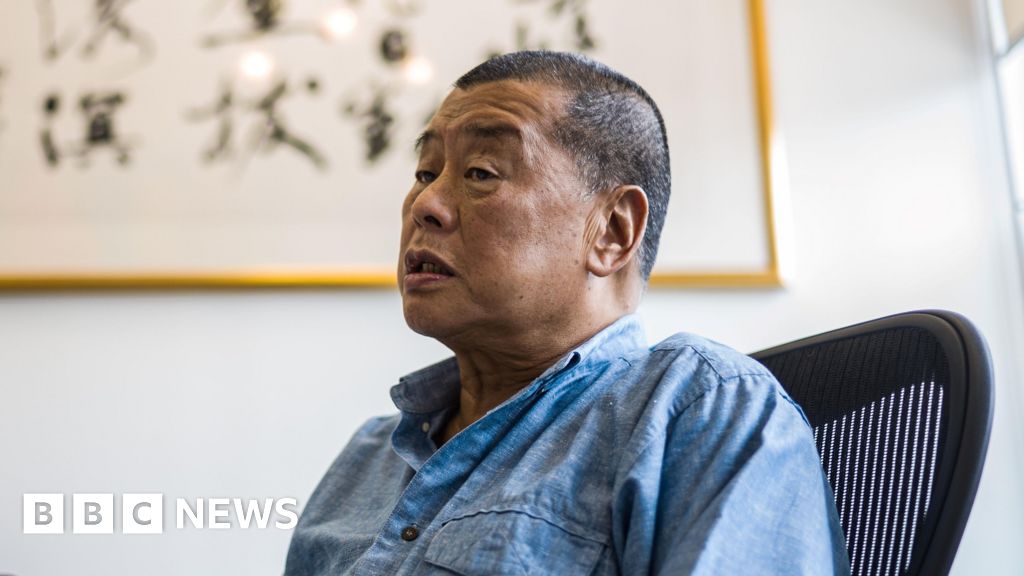
Jimmy Lai, the prominent pro-democracy tycoon, has announced that he will not appeal his recent conviction, a decision that underscores the challenges faced by activists in Hong Kong. This development raises questions about the future of dissent in the city amid tightening government control.
Introduction
In a significant turn of events, Jimmy Lai, the influential pro-democracy tycoon and founder of the now-defunct Apple Daily newspaper, has declared that he will not appeal his conviction. Lai was sentenced to a prison term earlier this year for his involvement in unauthorized assemblies during the 2019 protests against the Hong Kong government's increasing encroachment on civil liberties. His decision not to appeal marks a poignant moment for the pro-democracy movement in Hong Kong, highlighting the ongoing challenges faced by activists in the region.
Background on Jimmy Lai
Jimmy Lai, a prominent figure in Hong Kong's pro-democracy landscape, has long been an advocate for free speech and democratic reforms. His media outlet, Apple Daily, was known for its critical stance against the Chinese government and its support for the pro-democracy protests. However, in June 2021, the newspaper was forced to shut down following a police raid and subsequent arrests of its senior staff, including Lai himself. His conviction and imprisonment have become emblematic of the broader crackdown on dissent in Hong Kong.
The Conviction
Lai was convicted on charges related to his participation in unauthorized protests during the height of the pro-democracy movement in 2019. The court sentenced him to a total of 20 months in prison, a punishment that many observers have criticized as politically motivated. The verdict has drawn international condemnation, with human rights organizations and foreign governments calling for his release and denouncing the erosion of freedoms in Hong Kong.
The Decision Not to Appeal
In a statement released through his legal team, Lai expressed his decision not to appeal the conviction, citing a lack of faith in the judicial system and concerns about the potential repercussions for his family and supporters. This choice reflects a growing sentiment among pro-democracy activists who feel that the legal system has been weaponized against them. Lai's decision may also be seen as a strategic move to focus attention on the broader issues facing Hong Kong rather than prolonging a legal battle that many believe is rigged against dissenters.
Implications for the Pro-Democracy Movement
Lai's refusal to appeal raises important questions about the future of the pro-democracy movement in Hong Kong. With increasing pressure from the Chinese government and a crackdown on dissent, many activists are reevaluating their strategies. Lai's case highlights the risks faced by those who continue to advocate for democratic reforms in a climate of fear and repression. The decision may also serve as a rallying point for supporters, galvanizing efforts to push back against the government's authoritarian measures.
International Reactions
The international community has reacted strongly to Lai's conviction and his decision not to appeal. Human rights organizations have condemned the Hong Kong government for its treatment of political dissidents and called for greater international pressure to safeguard freedoms in the region. Foreign governments, including the United States and the United Kingdom, have issued statements expressing concern over the erosion of civil liberties in Hong Kong and have urged the Chinese government to respect the rights of its citizens.
Conclusion
Jimmy Lai's decision not to appeal his conviction is a poignant reminder of the precarious state of democracy in Hong Kong. As the city grapples with increasing authoritarianism, the future of the pro-democracy movement remains uncertain. Lai's case serves as both a cautionary tale and a call to action for those who continue to fight for the values of freedom and democracy in the face of overwhelming odds.