Jimmy Lai Declines to Appeal National Security Conviction, Legal Team Confirms
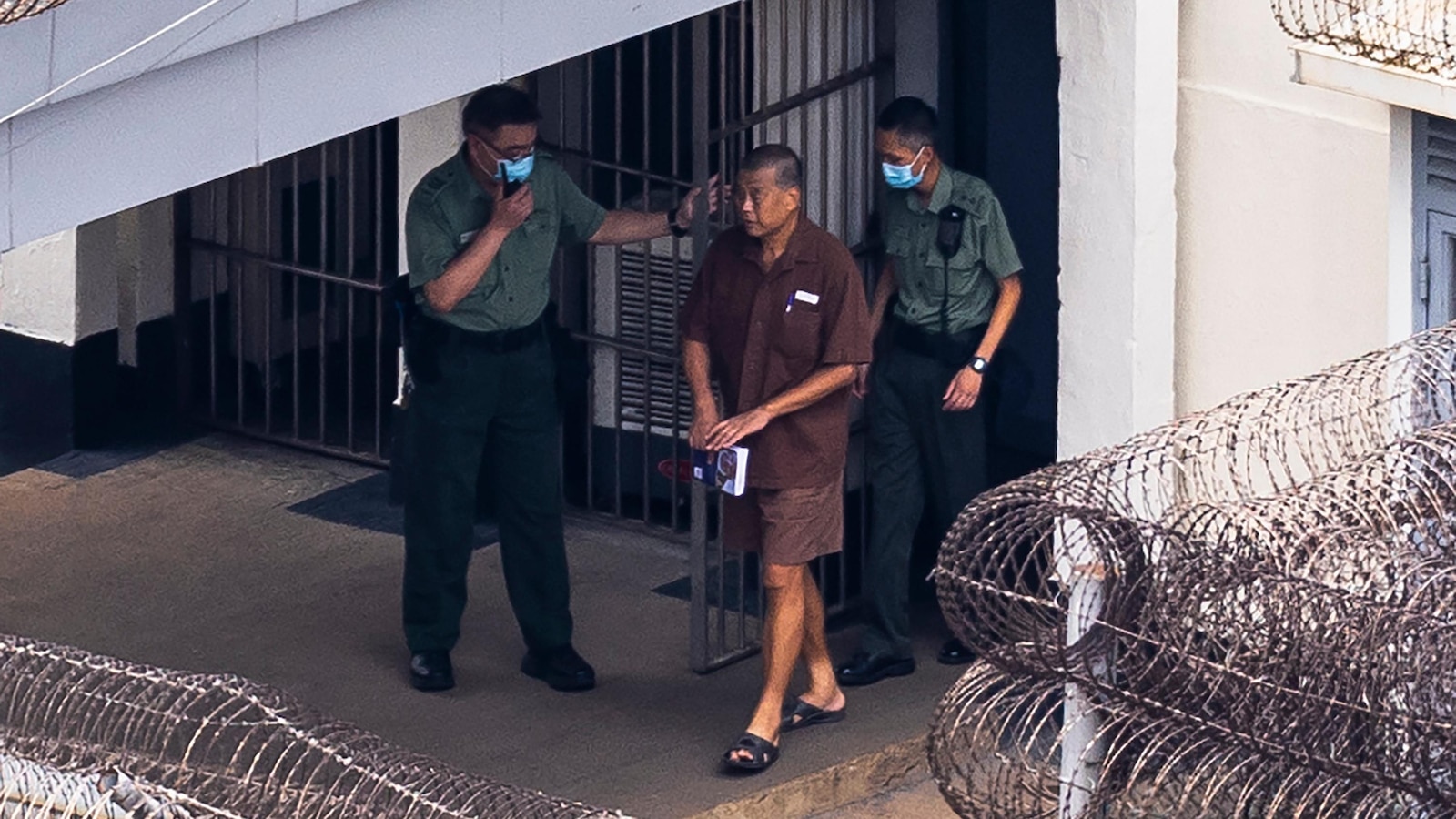
Jimmy Lai, the former media mogul and prominent pro-democracy figure in Hong Kong, has decided not to appeal his conviction under the national security law. His legal team stated that they believe the legal process has reached its conclusion, marking a significant moment in the ongoing political saga in the region.
Background on Jimmy Lai's Conviction
Jimmy Lai, the founder of the now-defunct Apple Daily newspaper, was convicted in December 2022 under Hong Kong's controversial national security law. The law, enacted in June 2020, has been widely criticized for stifling dissent and curtailing freedoms in the former British colony. Lai was sentenced to 14 months in prison for his role in organizing and participating in unauthorized assemblies during the 2019 pro-democracy protests.
Legal Team's Announcement
In a recent statement, Lai's legal team announced that he would not pursue an appeal against his conviction. The decision comes after extensive discussions and consideration of the current legal landscape in Hong Kong. Lai's lawyers expressed their belief that the judicial process has reached its conclusion, indicating that further legal action would not yield a different outcome.
Implications of the Decision
This decision not to appeal marks a significant moment for Lai, who has become a symbol of the pro-democracy movement in Hong Kong. His conviction and subsequent imprisonment have drawn international attention and condemnation, with many viewing it as a clear indication of the diminishing freedoms in the city. By opting not to appeal, Lai may be signaling a retreat from the legal battles that have defined his recent years, as well as an acknowledgment of the challenges posed by the national security law.
International Reactions
The international community has reacted strongly to Lai's conviction and the broader implications of the national security law. Human rights organizations, foreign governments, and activists have condemned the law as a tool for suppressing dissent and undermining the autonomy promised to Hong Kong under the "one country, two systems" framework. Lai's decision not to appeal may further galvanize international calls for accountability regarding human rights abuses in Hong Kong.
Lai's Legacy and Future
As a prominent figure in Hong Kong's media landscape, Lai's legacy is intertwined with the fight for democracy and freedom of expression. His Apple Daily newspaper was known for its critical stance against the Chinese government and its unwavering support for democratic values. Despite the closure of the newspaper and his imprisonment, Lai's influence persists, inspiring a new generation of activists dedicated to advocating for civil liberties in Hong Kong.
Conclusion
Jimmy Lai's decision not to appeal his national security conviction marks a pivotal moment in Hong Kong's ongoing struggle for democracy. As the city continues to grapple with the implications of the national security law, Lai's case serves as a stark reminder of the challenges faced by those who dare to speak out against authority. The future of Hong Kong's pro-democracy movement remains uncertain, but Lai's legacy will undoubtedly continue to resonate in the hearts of those who fight for freedom.