Jimmy Lai Faces Sentencing After National Security Conviction in Hong Kong
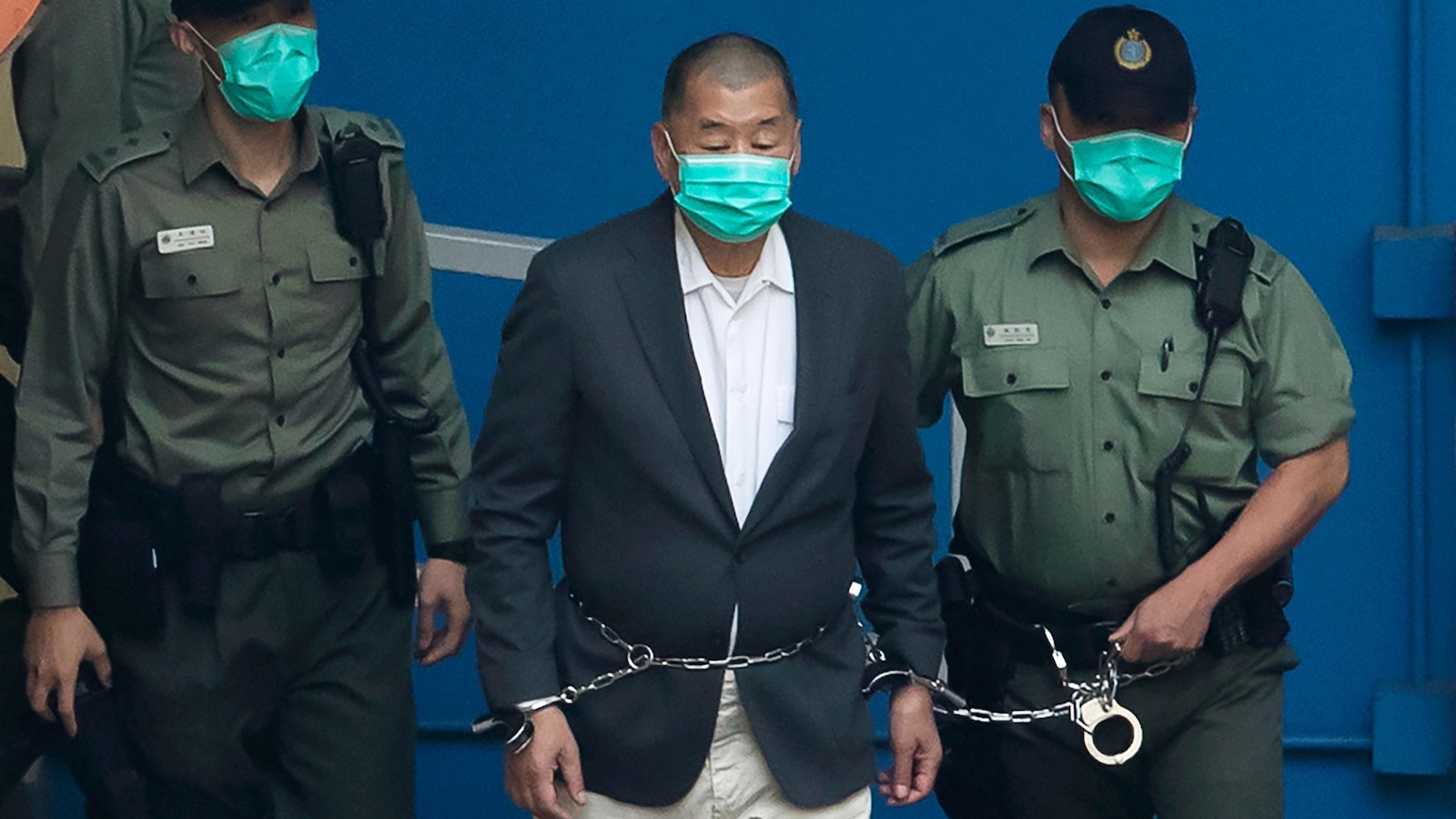
Jimmy Lai, the former media tycoon and pro-democracy activist, is set to be sentenced on Monday following his conviction under Hong Kong's national security law. This case has drawn international attention and raised concerns about freedom of expression in the region.
Introduction
In a significant development for Hong Kong's political landscape, Jimmy Lai, a prominent media tycoon and pro-democracy advocate, is scheduled to be sentenced on Monday after being convicted under the controversial national security law imposed by Beijing. Lai's case has become emblematic of the ongoing struggle for freedom of expression and the shrinking space for dissent in the semi-autonomous region.
Background of the Case
Jimmy Lai, the founder of the now-defunct Apple Daily newspaper, was found guilty of colluding with foreign forces in a trial that has been criticized by many as politically motivated. The national security law, enacted in June 2020, has been used by the Hong Kong government to crack down on dissent and silence opposition voices. Lai's conviction, along with the closure of his newspaper, has sparked widespread condemnation from human rights organizations and foreign governments.
Details of the Conviction
During the trial, prosecutors argued that Lai had sought foreign sanctions against Hong Kong and China, which they classified as acts of collusion. The court proceedings were marked by a lack of transparency, with many observers noting that the judicial process appeared to be heavily influenced by political considerations. Lai, who has been in custody since December 2020, faces a lengthy prison sentence that could further deter other activists and journalists from expressing their views.
International Reactions
The international community has reacted strongly to Lai's conviction. Human rights advocates have described the ruling as a direct attack on press freedom and a clear indication of the deteriorating human rights situation in Hong Kong. The United States, the United Kingdom, and various international organizations have called for Lai's immediate release and have urged the Hong Kong government to uphold its commitments to protect fundamental freedoms.
Implications for Hong Kong's Future
Lai's sentencing is expected to have far-reaching implications for the future of civil liberties in Hong Kong. Many fear that this case will set a precedent for further crackdowns on dissent, as authorities continue to tighten their grip on the city. The chilling effect of Lai's conviction may discourage other journalists and activists from speaking out against the government, leading to a more subdued media landscape.
Public Sentiment
In the wake of Lai's conviction, public sentiment in Hong Kong remains deeply divided. While pro-Beijing supporters view the ruling as a necessary measure to restore order, many residents and activists see it as a violation of their rights. Protests have erupted sporadically, with demonstrators calling for greater freedoms and expressing solidarity with Lai and other political prisoners.
Conclusion
As Jimmy Lai awaits sentencing, the world watches closely, recognizing that his fate could signify the broader struggle for democracy and human rights in Hong Kong. The outcome of this case will not only impact Lai's life but also serve as a litmus test for the resilience of civil society in a city that has been increasingly under the shadow of authoritarianism.