Jimmy Lai's Fraud Conviction Overturned by Hong Kong Court
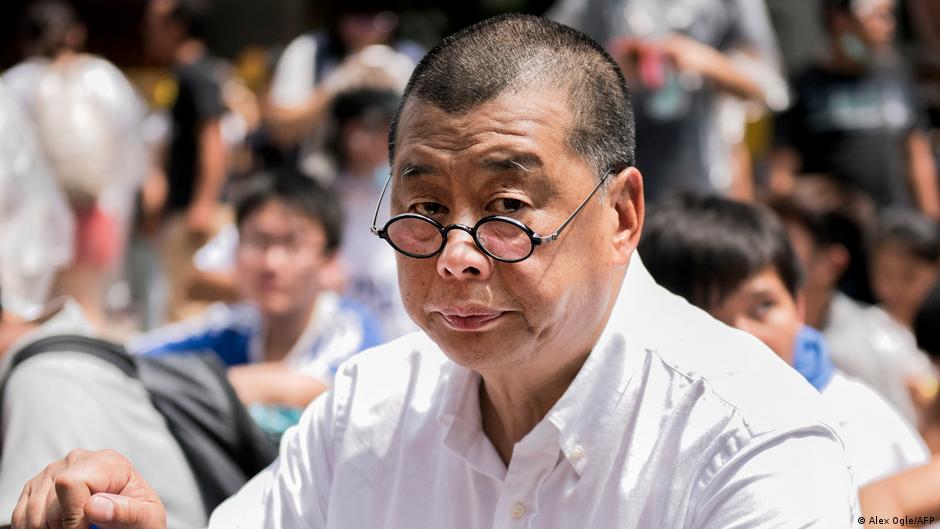
A Hong Kong court has overturned the fraud conviction of pro-democracy activist Jimmy Lai, a significant development in a case that has drawn international attention. This ruling raises questions about the integrity of the judicial system in Hong Kong amidst ongoing political tensions.
Background of the Case
Jimmy Lai, a prominent pro-democracy figure and founder of the now-defunct Apple Daily newspaper, has had his fraud conviction overturned by a Hong Kong court. This ruling marks a pivotal moment in a case that has been closely watched both locally and internationally, highlighting the ongoing tensions surrounding freedom of speech and the rule of law in the city.
The Court's Decision
On [insert date], the High Court of Hong Kong ruled that Lai's conviction, which stemmed from accusations of fraud related to a lease agreement for his newspaper's office space, was not substantiated by sufficient evidence. The judges stated that the prosecution had failed to demonstrate that Lai had intentionally misled the government regarding the terms of the lease, which had been a central point of the case against him.
Implications for Hong Kong's Judicial System
This decision raises significant questions about the integrity of the judicial system in Hong Kong, especially in light of the increasing scrutiny it has faced since the implementation of the National Security Law in 2020. Many observers have expressed concerns that the law has been used to stifle dissent and undermine the independence of the judiciary. Lai's case, in particular, has been emblematic of these broader issues, as it involved not only serious allegations against a high-profile activist but also the potential politicization of legal proceedings.
International Reactions
The overturning of Lai's conviction has elicited reactions from various international human rights organizations and foreign governments. Many have welcomed the ruling as a victory for justice and a sign that the legal system in Hong Kong can still function independently of political pressures. However, others have cautioned that this decision does not erase the broader climate of fear and repression that has characterized Hong Kong's political landscape in recent years.
Jimmy Lai's Response
Following the court's decision, Jimmy Lai expressed his gratitude for the ruling and reiterated his commitment to fighting for democracy and freedom in Hong Kong. In a statement, he said, "This ruling is not just about me; it is about the fundamental rights of all Hong Kong citizens. We must continue to stand up for our freedoms and push back against tyranny." Lai's resolve to continue advocating for democracy underscores the ongoing struggle faced by activists in the region.
Future of Political Activism in Hong Kong
The overturning of Lai's conviction could potentially embolden other activists and dissenters in Hong Kong, who have faced increasing repression in recent years. However, the political climate remains fraught, with many fearing that the government will continue to use various legal mechanisms to suppress dissent. The National Security Law, in particular, has been a tool for the authorities to target activists, journalists, and anyone perceived as a threat to the state.
Conclusion
The recent ruling in Jimmy Lai's case serves as a reminder of the ongoing struggle for justice and democracy in Hong Kong. As the city grapples with its identity and the implications of its relationship with Mainland China, the outcome of this case may have lasting effects on the future of political activism and the rule of law in the region. The world will be watching closely as the situation continues to evolve.