Jimmy Lai's Ongoing Legal Battle Highlights Hong Kong's Press Freedom Crisis
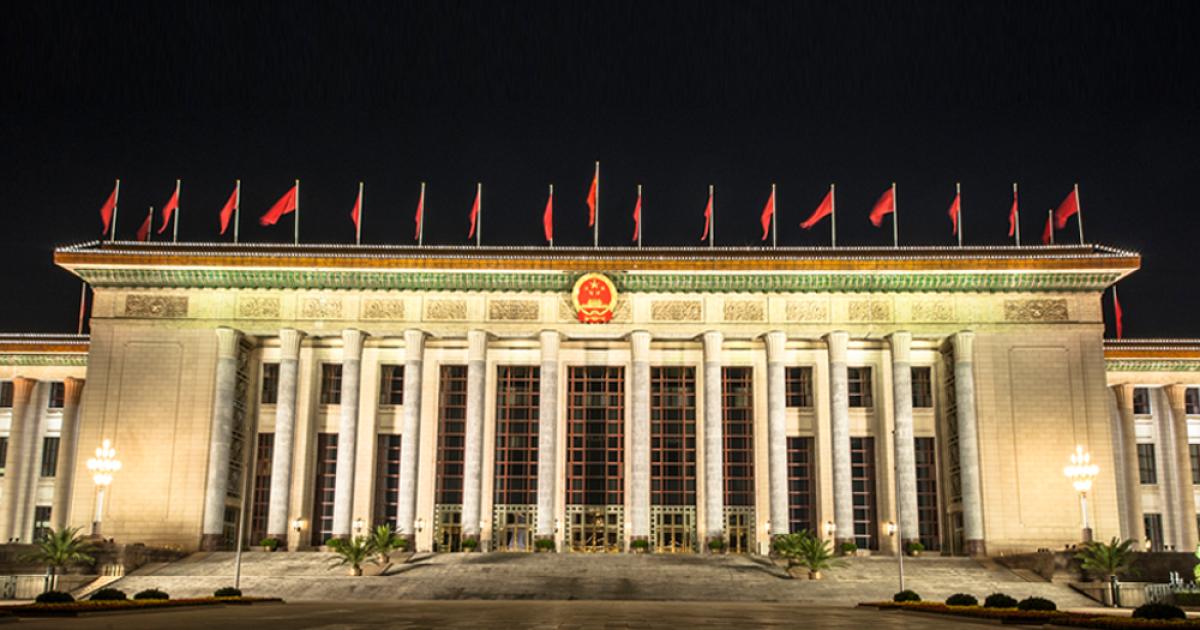
The legal troubles of media mogul Jimmy Lai serve as a stark reminder of the shrinking space for press freedom in Hong Kong. As international attention focuses on Lai's case, the implications for journalism and civil liberties in the region become increasingly concerning.
Introduction
In the heart of Hong Kong's bustling metropolis, the legal saga of Jimmy Lai, the founder of the pro-democracy newspaper Apple Daily, continues to unfold, drawing both local and international scrutiny. Lai, who has been a vocal critic of the Chinese government, faces multiple charges that could result in significant prison time, raising alarms about the state of press freedom in the region.
The Charges Against Lai
Jimmy Lai was arrested in August 2020 under the controversial National Security Law imposed by Beijing. He faces charges of collusion with foreign forces, which could lead to a life sentence if convicted. His case has become emblematic of the broader crackdown on dissent in Hong Kong, where journalists and activists have faced increasing repression since the law's enactment.
International Reaction
The international community has expressed growing concern over Lai's situation. Human rights organizations, foreign governments, and media watchdogs have condemned the charges against him as politically motivated. The United States has imposed sanctions on Hong Kong officials involved in the crackdown on press freedom, while the European Union has called for Lai's immediate release.
Implications for Press Freedom
Lai's prosecution is part of a larger trend in Hong Kong, where the space for independent journalism has dramatically shrunk. Apple Daily was forced to shut down in June 2021 after police raided its offices and froze its assets. The closure of this prominent outlet marked a significant blow to press freedom in the city, which was once known for its vibrant media landscape.
Public Sentiment
Public sentiment in Hong Kong remains divided. While many residents support the government's efforts to maintain stability, a significant portion of the population is alarmed by the erosion of civil liberties. Protests against the National Security Law and the treatment of journalists have occurred, although they have been met with heavy police presence and arrests.
The Role of Social Media
In the face of increasing censorship, social media platforms have become vital tools for activists and journalists. Many have turned to platforms like Twitter and Telegram to share information and mobilize support. However, the risks associated with online activism are high, as authorities have also targeted social media users for their posts.
Looking Ahead
As Lai's trial approaches, the eyes of the world will remain on Hong Kong. The outcome of his case could set a precedent for future prosecutions of journalists and activists. Observers fear that a harsh sentence for Lai could further deter dissent and push remaining independent media outlets to self-censor or close their doors.
Conclusion
The case of Jimmy Lai is not just about one man; it is a reflection of the broader challenges facing press freedom in Hong Kong. As the city grapples with its identity in the shadow of Beijing, the fight for journalistic integrity and civil liberties remains a crucial battleground. The international community's response will be pivotal in determining the future of free expression in this once-thriving hub of democracy.