Jimmy Lai Sentenced to 20 Years in Landmark National Security Trial
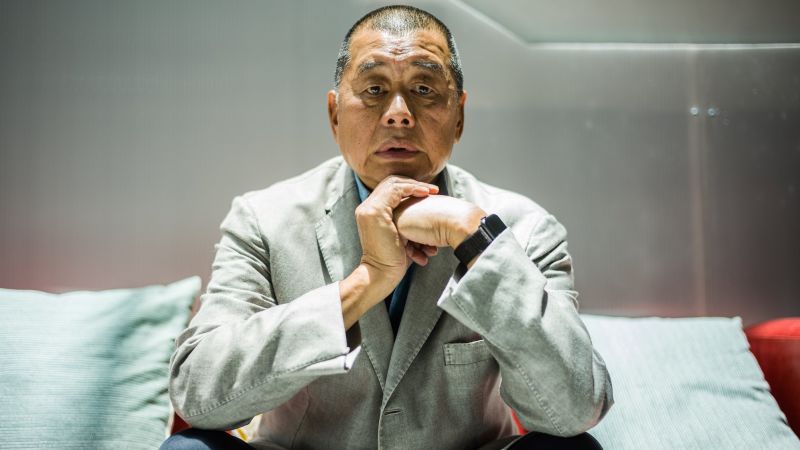
Hong Kong media tycoon Jimmy Lai has been sentenced to 20 years in prison following a high-profile trial under the city's national security law. This ruling marks a significant moment in the ongoing crackdown on dissent in Hong Kong.
Introduction
In a landmark ruling that underscores the tightening grip of the national security law in Hong Kong, media tycoon Jimmy Lai has been sentenced to 20 years in prison. The verdict, delivered on Friday, is seen as a pivotal moment in the ongoing suppression of dissent in the city, where freedoms have been increasingly curtailed since the law's implementation in 2020.
Background on Jimmy Lai
Jimmy Lai, the founder of the now-defunct pro-democracy newspaper Apple Daily, has long been a prominent figure in Hong Kong's media landscape. Known for his outspoken criticism of the Chinese government, Lai's arrest in August 2020 marked a turning point in the city's political climate. His media outlet, which had been a staunch advocate for democracy and freedom of speech, was forced to shut down following a police raid and subsequent financial pressures.
The National Security Law
Implemented by Beijing in June 2020, the national security law aims to combat secession, subversion, terrorism, and collusion with foreign forces. Critics argue that the law has been used as a tool to silence dissent and stifle free expression in Hong Kong. Lai's case is one of the most high-profile under this legislation, which has led to the arrest of numerous activists, journalists, and politicians.
The Trial and Sentencing
Lai's trial was closely watched by international observers, as it raised questions about the future of press freedom in Hong Kong. During the proceedings, prosecutors presented evidence of Lai's alleged collusion with foreign forces, including meetings with foreign politicians and organizations. The defense argued that Lai's actions were protected under the rights to free speech and assembly.
On Friday, the court found Lai guilty on multiple charges, resulting in a cumulative sentence of 20 years. The ruling has sparked outrage among pro-democracy advocates and human rights organizations, who view it as a blatant attack on freedom of the press and expression.
Reactions to the Verdict
The sentencing has drawn condemnation from various quarters. Amnesty International described the ruling as a “shocking blow” to press freedom, while the Committee to Protect Journalists called for Lai's immediate release. Many activists have taken to social media to express their dismay, with hashtags calling for justice for Lai trending on various platforms.
International governments have also reacted, with the United States calling the verdict “politically motivated” and a further erosion of Hong Kong's autonomy. The U.S. State Department reiterated its commitment to supporting the people of Hong Kong in their fight for democracy and human rights.
Implications for Hong Kong's Future
Lai's sentencing represents a broader trend in Hong Kong, where the government has intensified its crackdown on dissent since the national security law was enacted. Many fear that this ruling will have a chilling effect on journalists and activists, leading to self-censorship and a further decline in press freedom.
As the international community watches closely, the implications of Lai's case extend beyond his personal fate. It raises critical questions about the future of civil liberties in Hong Kong and the potential for further repression as the government seeks to maintain control over the narrative within the city.
Conclusion
Jimmy Lai's 20-year sentence marks a significant chapter in Hong Kong's ongoing struggle for democracy and human rights. As the city grapples with the ramifications of the national security law, the global response to Lai's case will likely shape the discourse surrounding freedom and governance in Hong Kong for years to come.