Jimmy Lai Sentenced to Jail: A Blow to Hong Kong's Democracy Movement
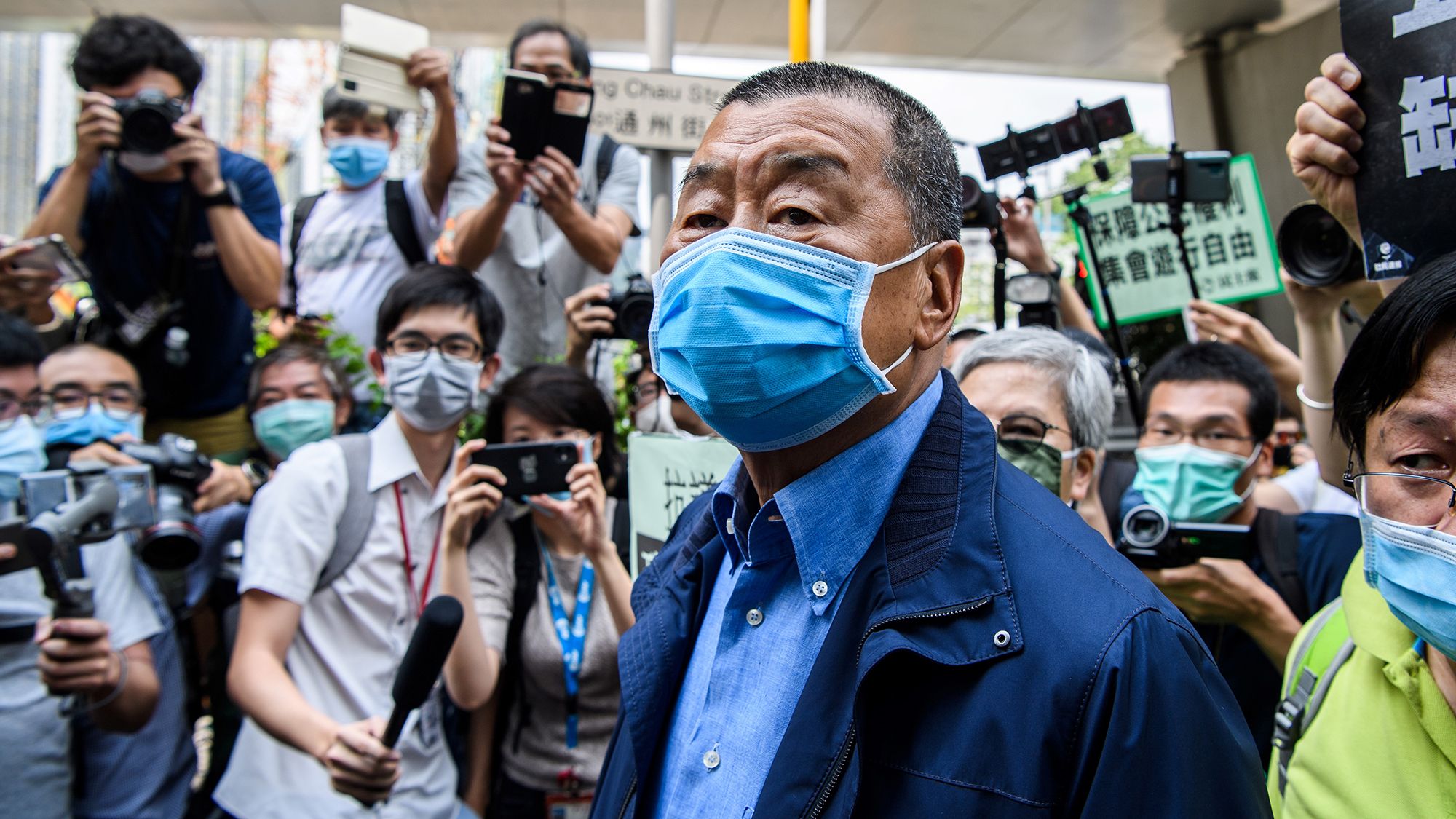
Prominent democracy advocate Jimmy Lai has been sentenced to prison in Hong Kong, marking a significant setback for the pro-democracy movement in the region. This development raises concerns about the future of political freedoms and civil liberties in Hong Kong.
Introduction
In a landmark ruling that has sent shockwaves through the pro-democracy community, Hong Kong's courts have sentenced prominent democracy advocate Jimmy Lai to a substantial prison term. Lai, the founder of the now-defunct Apple Daily newspaper, has been a vocal critic of the Chinese government and a staunch supporter of democratic reforms in Hong Kong.
The Charges Against Jimmy Lai
Jimmy Lai was convicted on multiple counts related to his participation in unauthorized assemblies during the 2019 protests that swept through Hong Kong. These protests were sparked by a controversial extradition bill and evolved into a broader movement demanding greater political freedoms and an end to perceived encroachments by Beijing on Hong Kong's autonomy.
The charges against Lai included inciting others to participate in unlawful assemblies and organizing protests that took place without police approval. His legal team argued that the charges were politically motivated, aimed at silencing dissent in the city.
Implications for Hong Kong's Democracy Movement
Lai's sentencing is seen as a significant blow to the pro-democracy movement in Hong Kong. As one of the most high-profile figures in the struggle for democratic rights, his imprisonment is likely to deter other activists and discourage public demonstrations. Critics of the Hong Kong government and its handling of dissent fear that this ruling sets a dangerous precedent for future cases involving political activists.
The ruling has drawn international condemnation, with human rights organizations and foreign governments calling for Lai's immediate release. Many view his sentencing as part of a broader crackdown on free speech and political expression in Hong Kong, particularly following the implementation of the National Security Law in 2020, which has been used to target activists and dissenters.
International Reactions
The international community has reacted strongly to Lai's sentencing. The United States State Department issued a statement condemning the ruling, calling it a further erosion of Hong Kong's freedoms and autonomy. Similarly, the United Kingdom's Foreign Secretary expressed deep concern over the implications of the verdict for human rights in Hong Kong.
These reactions highlight the growing tension between Western nations and China regarding human rights issues. Many observers believe that the international response to Lai's case could influence future diplomatic relations between China and Western countries, especially as calls for accountability and respect for human rights continue to mount.
The Future of Activism in Hong Kong
As Jimmy Lai begins his prison sentence, the future of Hong Kong's democracy movement remains uncertain. Many activists have fled the city, fearing arrest and persecution, while others continue to operate in a more clandestine manner. The chilling effect of Lai's sentencing may lead to a further decline in public participation in protests and political activism.
However, supporters of the pro-democracy movement remain hopeful. They argue that Lai's courage and commitment to the cause will inspire others to continue the fight for democratic freedoms in Hong Kong. The resilience of the movement may hinge on the ability of activists to adapt to the changing political landscape and find new ways to advocate for their rights.
Conclusion
Jimmy Lai's sentencing marks a pivotal moment in Hong Kong's ongoing struggle for democracy and civil liberties. As the city grapples with the implications of this ruling, the international community watches closely, hoping for a resurgence of activism and a return to the principles of freedom and democracy that have defined Hong Kong's identity for decades.