Jimmy Lai Sentenced to Twenty Years: A Dark Day for Press Freedom in Hong Kong
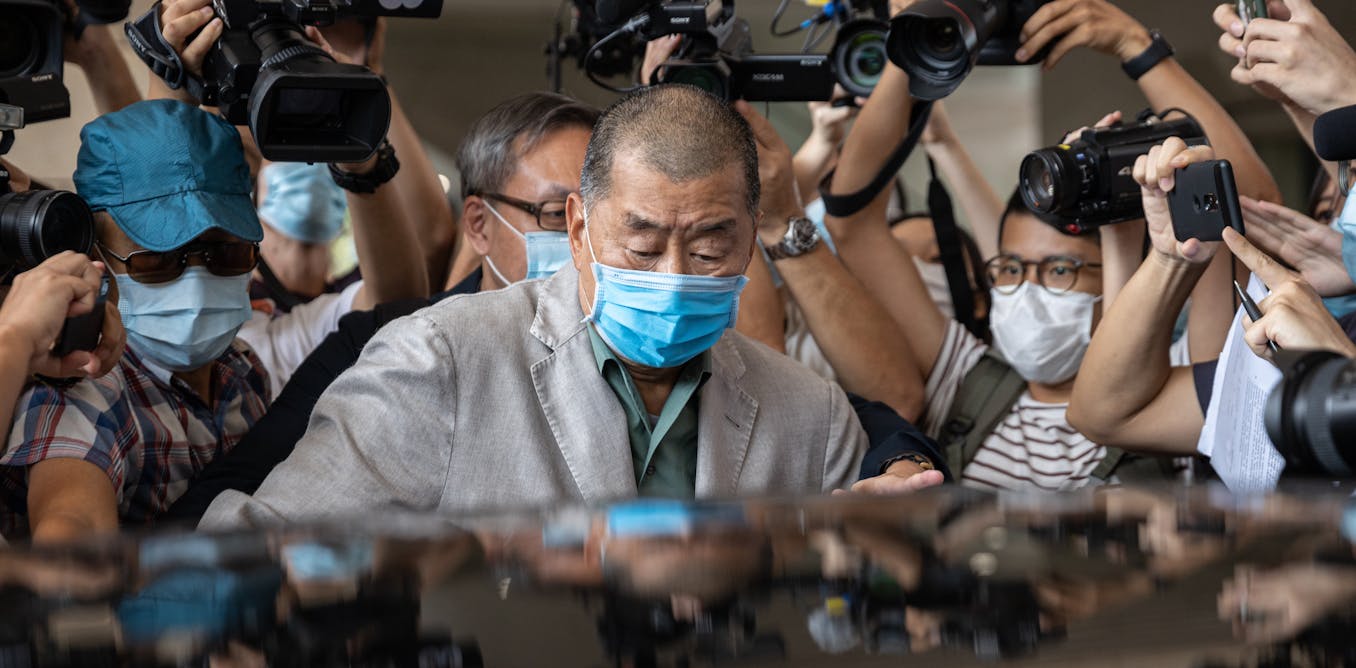
Media mogul Jimmy Lai has been sentenced to twenty years in prison, marking a significant escalation in Beijing's crackdown on press freedom in Hong Kong. This development raises serious concerns for journalists and the future of independent media in the region.
Introduction
In a move that has sent shockwaves through the journalistic community, Hong Kong media mogul Jimmy Lai has been sentenced to twenty years in prison. This ruling is not just a personal tragedy for Lai but represents a broader assault on press freedom in Hong Kong, a city once celebrated for its vibrant media landscape.
The Charges Against Jimmy Lai
Jimmy Lai, the founder of the now-defunct Apple Daily, was convicted on multiple charges, including fraud and collusion with foreign forces. These charges stem from his outspoken criticism of the Chinese government and his support for the pro-democracy movement in Hong Kong. Lai's case has been widely viewed as politically motivated, aimed at silencing dissent and instilling fear among journalists and activists.
Impact on Press Freedom
The sentencing of Lai is emblematic of the ongoing crackdown on press freedom in Hong Kong, which has intensified since the implementation of the National Security Law in 2020. Under this law, numerous journalists have been arrested, media outlets have been shuttered, and the space for independent journalism has dramatically shrunk. Lai's case serves as a chilling reminder of the risks faced by those who dare to challenge the status quo.
International Reactions
The international community has condemned the sentence, with various human rights organizations and foreign governments calling it a blatant violation of free speech. The United States, in particular, has expressed grave concern, stating that Lai's imprisonment is part of a wider pattern of repression against dissenting voices in Hong Kong. This incident has sparked renewed calls for accountability regarding China's actions in the region.
Journalists' Response
For journalists in Hong Kong, Lai's sentencing is a stark reminder of the precarious situation they find themselves in. Many reporters have expressed feelings of fear and uncertainty about their future. The Hong Kong Journalists Association has issued statements urging the government to uphold press freedom and protect the rights of journalists. However, the reality on the ground suggests that the risks are only increasing.
The Future of Media in Hong Kong
As the media landscape continues to evolve under the weight of government pressure, many fear that the vibrant culture of journalism that once flourished in Hong Kong is at risk of extinction. The closure of prominent outlets like Apple Daily has left a significant void in the media ecosystem, and the remaining independent journalists are grappling with self-censorship and the constant threat of legal repercussions.
Conclusion
Jimmy Lai's twenty-year sentence is more than just a legal ruling; it is a significant blow to the principles of free expression and independent journalism in Hong Kong. As the city grapples with the implications of this verdict, the international community watches closely, hoping for a resurgence of press freedom and a restoration of the rights that have been eroded in recent years. The future remains uncertain, but the resilience of journalists and the public's demand for truth may yet light the way forward.