Jimmy Lai Set to Be Sentenced Following National Security Trial
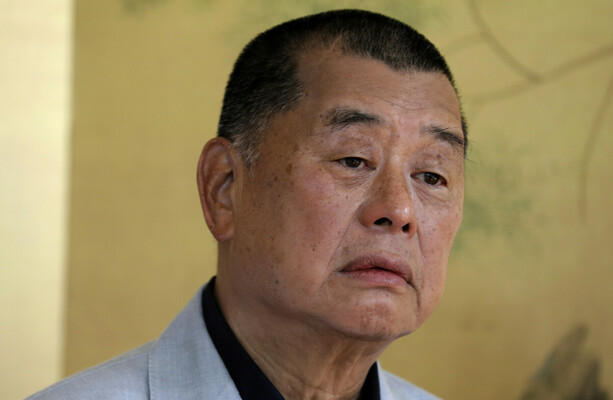
Jimmy Lai, the prominent Hong Kong media tycoon, is facing sentencing on Monday after being found guilty in a national security trial. His case has drawn international attention and raised concerns over press freedom in the region.
Introduction
In a significant development for press freedom in Hong Kong, media tycoon Jimmy Lai is scheduled to be sentenced on Monday following a national security trial that has captured global attention. Lai, the founder of the pro-democracy tabloid Apple Daily, has been a vocal critic of the Chinese government and its tightening grip on Hong Kong.
Background of the Case
Jimmy Lai was arrested in August 2020 under the controversial national security law imposed by Beijing, which has been widely criticized for stifling dissent and curtailing freedoms in the semi-autonomous region. The law criminalizes acts of secession, subversion, terrorism, and collusion with foreign forces, and has been used to target numerous pro-democracy activists and organizations.
Lai's trial began earlier this year, with prosecutors alleging that he conspired with foreign forces to undermine national security. The case has been seen as a landmark trial, not only for Lai but also for the future of journalism and free expression in Hong Kong.
International Reactions
The trial and its outcome have sparked widespread condemnation from international human rights organizations, foreign governments, and press freedom advocates. Many view Lai's prosecution as part of a broader crackdown on dissent in Hong Kong, which has seen numerous activists jailed or forced into exile since the implementation of the national security law.
U.S. Secretary of State Antony Blinken and other Western leaders have called for Lai's release, arguing that his imprisonment represents a direct attack on free speech and democracy in Hong Kong. The European Union has also expressed concerns, emphasizing the need for a free press and the protection of fundamental rights in the region.
Implications for Press Freedom
Jimmy Lai's case is emblematic of the challenges faced by journalists in Hong Kong. The media landscape has drastically changed since the introduction of the national security law, with many outlets either shutting down or self-censoring to avoid repercussions. The closure of Apple Daily in June 2021 marked a pivotal moment, as it was one of the last major pro-democracy newspapers in the city.
Experts warn that Lai's sentencing could set a dangerous precedent for other journalists and media organizations operating in Hong Kong. The chilling effect of the national security law has already led to a significant decline in investigative journalism and critical reporting, raising alarms about the future of press freedom in the region.
Public Sentiment and Support
Despite the risks, Lai has garnered significant support from activists and ordinary citizens who view him as a symbol of resistance against authoritarianism. Supporters have organized rallies and campaigns advocating for his release, emphasizing the importance of standing up for democratic values and human rights.
As the sentencing date approaches, many are closely watching how the Hong Kong government will respond to potential public outcry and international pressure. The outcome of Lai's case could further polarize an already divided society and impact the broader pro-democracy movement in Hong Kong.
Conclusion
As Jimmy Lai awaits his sentencing, the implications of his trial extend far beyond his personal fate. The case has become a litmus test for the state of press freedom in Hong Kong and the resilience of democratic principles in the face of increasing authoritarianism. With the eyes of the world on Hong Kong, the outcome of Lai's trial will undoubtedly shape the future of journalism and civil liberties in the region.