Joe Lubin Claims DeFi Safety Parallels Traditional Finance Amid Bitcoin Crisis
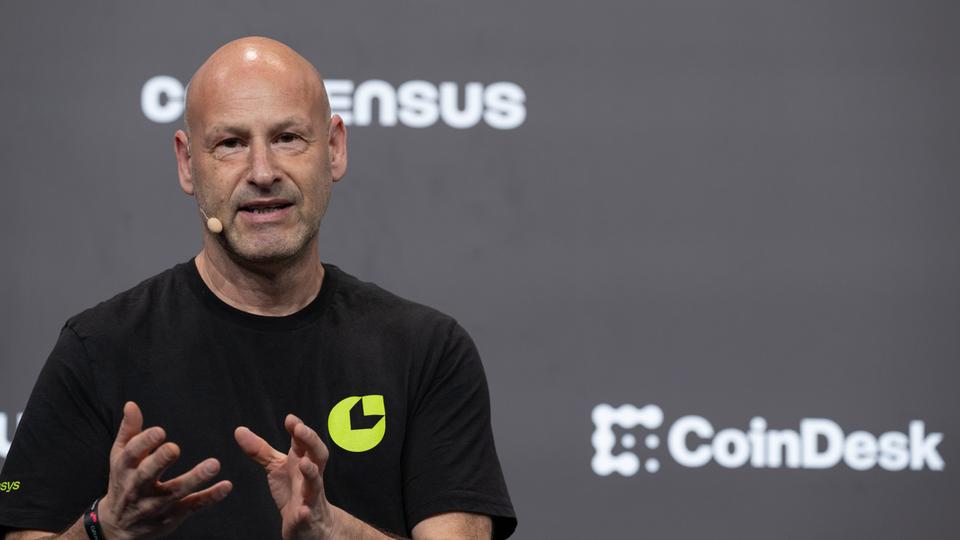
Joe Lubin, co-founder of Ethereum, asserts that decentralized finance (DeFi) is as secure as traditional financial systems, despite the current turmoil surrounding Bitcoin. His comments come as the cryptocurrency market faces significant challenges, raising questions about its future stability.
Introduction
In a recent statement that has sparked considerable debate within the financial community, Joe Lubin, co-founder of Ethereum and a prominent figure in the blockchain space, claimed that decentralized finance (DeFi) is as safe as traditional finance. This assertion comes at a time when Bitcoin, the leading cryptocurrency, is experiencing a significant crisis, leading many investors to question the viability of digital assets.
Understanding DeFi and Its Safety
Decentralized finance, or DeFi, refers to a financial system built on blockchain technology that operates without intermediaries such as banks or brokers. Proponents argue that DeFi offers greater transparency, lower costs, and enhanced accessibility compared to traditional financial systems. However, critics point to the lack of regulation and the potential for smart contract vulnerabilities as significant risks.
Lubin's Perspective
During a recent interview with CoinDesk, Lubin emphasized that the risks associated with DeFi are comparable to those found in traditional finance. He argued that just as traditional financial institutions have faced crises and failures, so too can DeFi platforms. Lubin stated, "The safety of DeFi is rooted in its transparency and the ability for users to control their assets directly. Just like in traditional finance, there are risks, but with proper understanding and management, these can be mitigated."
The Current Bitcoin Crisis
Bitcoin has been under intense scrutiny as its price has seen significant fluctuations, leading to fears of a broader market collapse. The cryptocurrency has faced challenges from regulatory pressures, market manipulation, and technological issues. Many investors are now reevaluating their positions, with some opting to diversify their portfolios into DeFi projects, which they perceive as offering more stability.
Comparing Risks
While Lubin's comments may provide some reassurance to DeFi advocates, the comparison between DeFi and traditional finance is complex. Traditional finance is heavily regulated, with established safety nets such as deposit insurance and central banks that can intervene during crises. In contrast, the DeFi sector operates in a largely unregulated environment, which raises concerns about consumer protection and systemic risk.
Market Reactions
Following Lubin's remarks, the market has seen a mixed response. Some investors have taken his comments as a sign to explore DeFi options, while others remain skeptical, citing the inherent risks of smart contracts and the potential for hacks. DeFi platforms have experienced a surge in usage, but they have also faced significant security breaches, leading to millions of dollars lost in various incidents.
The Future of DeFi and Traditional Finance
As the financial landscape continues to evolve, the relationship between DeFi and traditional finance will likely become more intertwined. Many traditional financial institutions are exploring blockchain technology and DeFi solutions to enhance their offerings and improve efficiency. However, the path forward will require addressing the regulatory challenges and security concerns that currently plague the DeFi sector.
Conclusion
Joe Lubin's assertion that DeFi can be as safe as traditional finance is a bold claim that reflects the ongoing evolution of the financial industry. As Bitcoin navigates its current crisis, the spotlight on DeFi is likely to grow, prompting both investors and regulators to reconsider the future of finance in a digital age. Whether DeFi can truly match the safety and stability of traditional finance remains to be seen, but the conversation is certainly gaining momentum.