Joshua Wong Pleads Guilty to Collusion Charges Amidst Ongoing Crackdown on Dissent
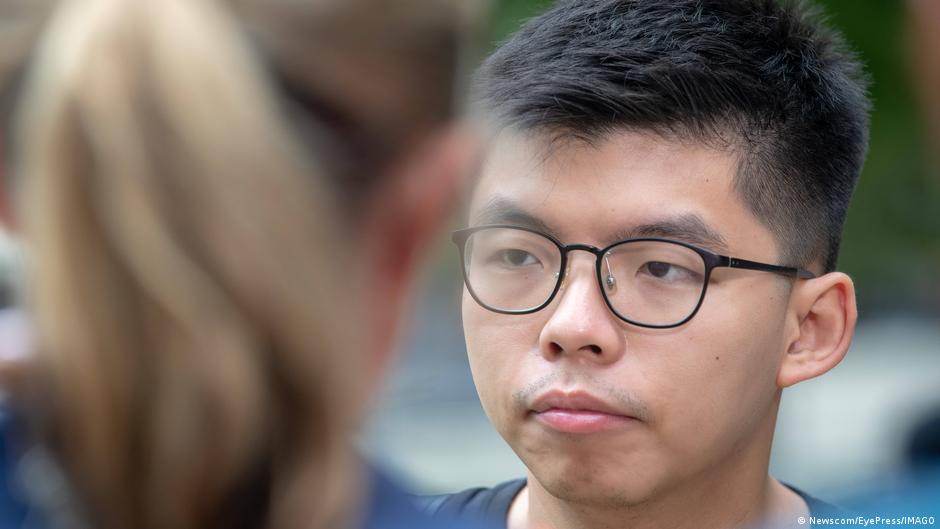
Prominent Hong Kong activist Joshua Wong has pleaded guilty to collusion under the national security law, marking a significant moment in the city's ongoing political turmoil. Wong's admission comes as authorities intensify their efforts to stifle dissent and silence opposition voices.
Introduction
In a landmark development in Hong Kong's political landscape, prominent pro-democracy activist Joshua Wong has pleaded guilty to charges of collusion under the controversial national security law. This plea marks a significant moment not only for Wong but also for the broader pro-democracy movement in the city, which has faced increasing repression since the law's implementation in 2020.
The Charges
Wong, a well-known figure in the 2014 Umbrella Movement and a vocal critic of the Chinese government, was charged with collusion for his involvement in activities deemed supportive of foreign sanctions against Hong Kong and mainland Chinese officials. The national security law, which was enacted by Beijing to curb dissent, has been criticized by international observers and human rights organizations as a tool for suppressing free speech and political opposition.
Wong's Background
At just 26 years old, Joshua Wong has emerged as one of the most recognizable faces of the pro-democracy movement in Hong Kong. His activism began in his teenage years, and he quickly became a key player in the fight for democratic reforms in the city. Wong's efforts have not only garnered support within Hong Kong but have also attracted international attention, making him a symbol of the struggle for democracy in the region.
The Implications of the Plea
Wong's guilty plea is seen as a significant blow to the pro-democracy movement, which has already suffered numerous setbacks in recent years. Many activists have been arrested, jailed, or forced into exile, and the landscape for dissent in Hong Kong has become increasingly hostile. By pleading guilty, Wong may be attempting to mitigate the potential consequences of a trial, where the risks of a lengthy prison sentence could loom large.
International Reactions
The international community has reacted strongly to Wong's plea, with many foreign governments and human rights organizations condemning the actions of the Hong Kong authorities. The United States, in particular, has been vocal in its criticism, reiterating its support for the pro-democracy movement and calling for the release of political prisoners. Wong's case has become a focal point for discussions about human rights and freedoms in Hong Kong, drawing attention to the broader implications of the national security law.
Future of the Pro-Democracy Movement
As Wong navigates the legal repercussions of his plea, the future of the pro-democracy movement in Hong Kong remains uncertain. With many of its leaders either imprisoned or in exile, the movement faces significant challenges in rallying support and mobilizing citizens. Wong's case may serve as a rallying point for activists, but it also underscores the risks involved in opposing the government.
Conclusion
Joshua Wong's guilty plea to collusion charges is a stark reminder of the ongoing struggle for democracy and human rights in Hong Kong. As the city grapples with the implications of the national security law, the international community watches closely, hoping for a resurgence of the pro-democracy movement and the eventual restoration of freedoms that have been eroded in recent years. Wong's fate may well symbolize the future of dissent in Hong Kong, as activists continue to fight for their rights amidst an increasingly oppressive regime.