King Wah Road Building Achieves WELL Certification: A Step Towards Healthier Indoor Environments
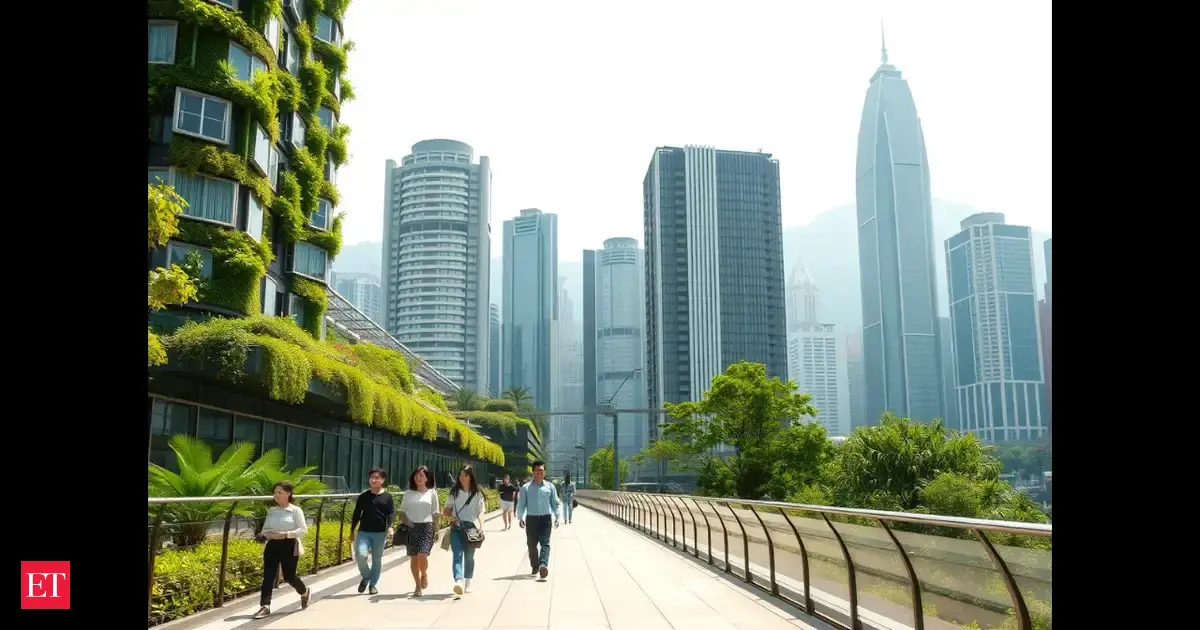
The King Wah Road building in Hong Kong has successfully achieved WELL certification, demonstrating a commitment to improving indoor air quality and overall health. This achievement highlights the importance of innovative building practices in creating healthier living spaces for residents and workers alike.
Introduction
In a significant advancement for urban living, the King Wah Road building in Hong Kong has achieved WELL certification, a testament to its commitment to enhancing indoor air quality and promoting healthier environments. This achievement comes nine years after the building was retrofitted with special paint designed to purify the air, underscoring the growing importance of health-conscious design in modern architecture.
The Journey to WELL Certification
Constructed in 2017, the King Wah Road building spans 30,643 square meters and was one of the first in Hong Kong to adopt innovative materials aimed at improving air quality. The special paint used in its renovation was formulated to reduce indoor pollutants and enhance the overall air quality, which is crucial in densely populated urban areas where air quality often suffers due to pollution.
Achieving WELL certification is no small feat. The WELL Building Standard, developed by the International WELL Building Institute (IWBI), is a performance-based system for measuring, certifying, and monitoring features of the built environment that impact human health and well-being. The certification process includes rigorous assessments of various factors such as air quality, water quality, nourishment, light, fitness, and mental well-being.
Why Indoor Air Quality Matters
Indoor air quality has a profound impact on health, with studies showing that poor air quality can lead to various health issues, including respiratory problems, allergies, and even chronic diseases. In urban settings like Hong Kong, where high-density living and industrial activities can contribute to elevated levels of pollutants, ensuring clean indoor air is essential for the well-being of residents and workers.
The King Wah Road building’s initiative to improve air quality through innovative design and materials serves as a model for future developments. By prioritizing health and well-being, the building not only enhances the quality of life for its occupants but also sets a precedent for other buildings in the region to follow suit.
A Broader Impact on Urban Development
This achievement is part of a broader trend in urban development where health and sustainability are becoming increasingly prioritized. As cities around the world grapple with the challenges of pollution and health crises, the focus on creating healthier indoor environments is gaining momentum. The King Wah Road building stands as a beacon of this movement, demonstrating that it is possible to integrate health-conscious design into existing structures.
Moreover, the success of the King Wah Road building could inspire other property developers and building owners in Hong Kong and beyond to invest in similar retrofitting projects. As awareness of the importance of indoor air quality grows, it is likely that more buildings will seek WELL certification, leading to a healthier urban landscape.
Conclusion
The achievement of WELL certification by the King Wah Road building is a landmark moment for Hong Kong, highlighting the importance of innovative building practices that prioritize health and well-being. As urban areas continue to expand and evolve, the lessons learned from this project can guide future developments, ensuring that cities not only grow in size but also in the quality of life they provide to their inhabitants.
As we move forward, the emphasis on healthier indoor spaces will play a crucial role in shaping the future of urban living, making it imperative for stakeholders in the construction and real estate sectors to embrace these changes for the benefit of all.