Korean Air Reports 34% Drop in Q2 Profit Amid Rising Fuel Costs
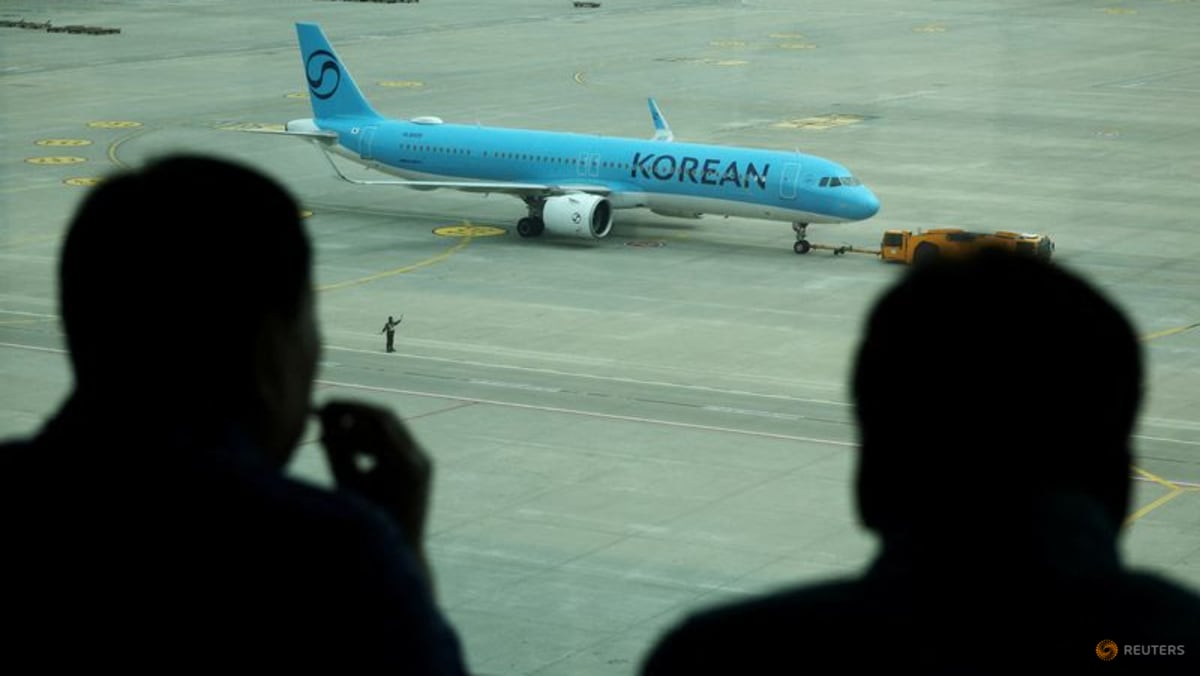
Korean Air has announced a significant 34% decline in its second-quarter profits, primarily due to soaring fuel prices. Despite this downturn, the airline achieved record-high revenues during the same period, reflecting strong demand for air travel.
Introduction
Korean Air, the flagship carrier of South Korea, has reported a notable decline in its second-quarter profits, attributing the 34% drop to escalating fuel costs. However, the airline has also achieved record-high revenues, highlighting the complexities of the current aviation market as it navigates the challenges posed by rising operational expenses.
Financial Performance Overview
In its latest earnings report, Korean Air disclosed that its operating profit for the second quarter fell to 352.3 billion won (approximately $290 million), a significant decrease from the previous year. This downturn in profitability is largely due to the sharp increase in fuel prices, which have surged globally as demand for air travel continues to rebound following the pandemic.
Record Revenues Despite Profit Decline
Despite the profit decline, Korean Air's revenue reached an all-time high of 4.3 trillion won (around $3.5 billion) in the second quarter. This figure represents a 23% increase compared to the same period last year, driven by a robust recovery in passenger numbers and cargo demand. The airline has been focusing on expanding its international routes, which has contributed to the surge in revenue.
Factors Influencing Fuel Costs
The increase in fuel costs has been a significant factor affecting airlines worldwide. With the global economy recovering, the demand for crude oil has risen sharply, leading to higher prices at the pump. Korean Air, like many other airlines, has been grappling with these rising costs, which have put pressure on profit margins. The airline has been actively seeking ways to mitigate these costs, including optimizing flight routes and improving operational efficiency.
Outlook for the Future
Looking ahead, Korean Air remains optimistic about its recovery trajectory. The airline has indicated that it expects continued growth in passenger traffic, particularly as travel restrictions ease and consumer confidence returns. Additionally, the company is investing in new aircraft and technology to enhance its service offerings and improve operational efficiency.
Strategic Initiatives
Korean Air has also been focusing on sustainability initiatives to address environmental concerns associated with air travel. The airline is exploring the use of sustainable aviation fuels and investing in more fuel-efficient aircraft to reduce its carbon footprint. These initiatives not only align with global sustainability goals but also resonate with environmentally conscious travelers.
Conclusion
In conclusion, while Korean Air faces challenges from rising fuel costs that have impacted its profitability, the airline's record-high revenue highlights a strong demand for air travel. As the aviation industry continues to recover, Korean Air's strategic initiatives and focus on operational efficiency may position it well for future growth in a competitive market.