KuCoin VP Edwin Wong Discusses Trust Framework for Institutional Digital Asset Infrastructure
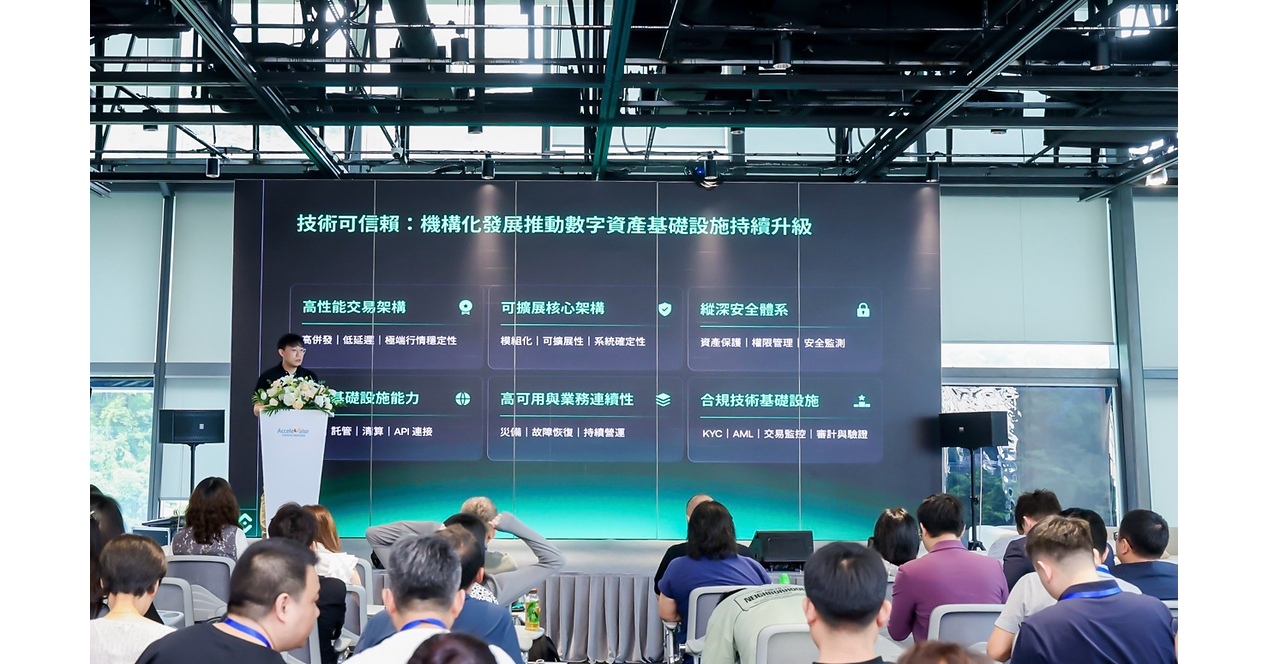
Edwin Wong, Vice President of KuCoin, outlines a comprehensive four-pillar trust framework aimed at enhancing institutional confidence in digital asset infrastructure. This initiative is expected to address the growing demand for security and reliability in the rapidly evolving cryptocurrency market.
Introduction
In a rapidly evolving digital asset landscape, trust and reliability have become paramount for institutional investors. Edwin Wong, Vice President of KuCoin, recently unveiled a comprehensive four-pillar trust framework designed to bolster institutional confidence in digital asset infrastructure. This framework aims to address the increasing demand for security and transparency in the cryptocurrency market.
The Need for a Trust Framework
As the cryptocurrency market matures, institutional investors are seeking more robust frameworks that ensure security, compliance, and transparency. The volatility and regulatory uncertainties surrounding digital assets have posed significant challenges for institutions looking to enter this space. Wong emphasized that a well-structured trust framework is essential to facilitate the growth of institutional participation in the digital asset market.
The Four Pillars of Trust
Wong's four-pillar framework focuses on the following key areas:
- Security: The first pillar emphasizes the importance of robust security measures to protect digital assets from cyber threats. KuCoin has implemented advanced security protocols, including multi-signature wallets and cold storage solutions, to safeguard investors' assets.
- Compliance: The second pillar addresses the need for compliance with local and international regulations. Wong highlighted KuCoin's commitment to adhering to regulatory standards, ensuring that institutional investors can operate within a legal framework.
- Transparency: The third pillar focuses on transparency in operations and reporting. KuCoin aims to provide clear and accessible information regarding its processes, enabling investors to make informed decisions.
- Partnerships: The final pillar emphasizes the importance of strategic partnerships with financial institutions and regulatory bodies. Wong believes that collaboration is crucial for building a trustworthy ecosystem that supports institutional investment in digital assets.
Implications for the Cryptocurrency Market
The introduction of this trust framework is expected to have significant implications for the cryptocurrency market. By addressing the concerns of institutional investors, KuCoin aims to attract more significant investments and foster a more stable market environment. Wong's initiative aligns with the broader trend of increasing institutional interest in digital assets, as evidenced by the growing number of hedge funds and asset managers exploring cryptocurrency investments.
KuCoin's Role in the Digital Asset Ecosystem
As one of the leading cryptocurrency exchanges, KuCoin has positioned itself as a key player in the digital asset ecosystem. With a commitment to innovation and security, the exchange has garnered a reputation for providing a reliable platform for both retail and institutional investors. Wong's trust framework is a strategic move to reinforce KuCoin's standing in the market and attract institutional clients seeking a secure and compliant trading environment.
Conclusion
Edwin Wong's four-pillar trust framework represents a significant step towards building a more secure and transparent digital asset infrastructure for institutional investors. As the cryptocurrency market continues to evolve, initiatives like this will be crucial in fostering trust and encouraging greater participation from institutional players. KuCoin's proactive approach to addressing the concerns of investors may well set a new standard for the industry, paving the way for a more stable and secure future in digital asset trading.