LAiPIC's AI Revolutionizes Anime Storytelling with 16-Minute Generative Tales
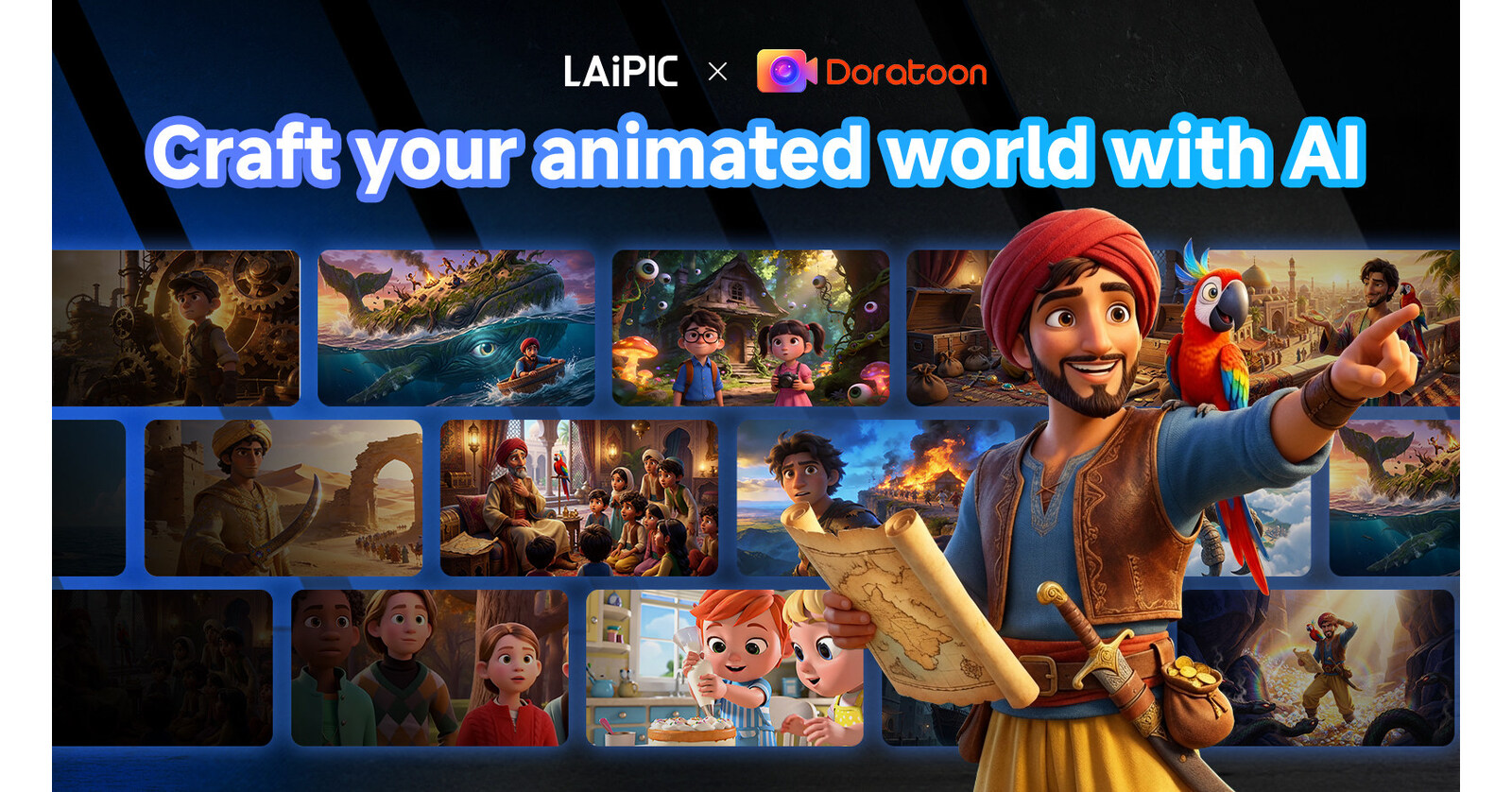
LAiPIC, an innovative AI platform, has unveiled its ability to generate 16-minute anime stories, marking a significant leap in the intersection of technology and creative storytelling. This breakthrough not only showcases the potential of AI in the arts but also raises questions about the future of content creation in the anime industry.
Introduction to AI-Generated Anime
In a groundbreaking development for the anime industry, LAiPIC, a pioneering artificial intelligence platform, has introduced a novel capability to generate 16-minute anime stories. This innovation represents a significant leap in the intersection of technology and creative storytelling, potentially reshaping how narratives are crafted in the realm of animation.
The Mechanics of AI Storytelling
LAiPIC's AI employs advanced algorithms and machine learning techniques to analyze existing anime narratives, character archetypes, and plot structures. By processing vast amounts of data, the AI can create unique storylines that resonate with the traditional themes of anime while introducing fresh and innovative ideas. The platform's ability to generate complete narratives in a concise format of 16 minutes caters to the growing demand for quick, engaging content in today's fast-paced digital environment.
Implications for the Anime Industry
This development has profound implications for the anime industry, which has long been characterized by its labor-intensive production processes. Traditionally, anime storytelling involves extensive collaboration among writers, directors, and animators, each contributing their creative insights. LAiPIC's AI-generated stories could streamline this process, offering creators a new tool to enhance their storytelling capabilities.
Potential Benefits and Challenges
One of the primary benefits of AI-generated stories is the potential for increased efficiency. With the ability to produce narratives quickly, studios could reduce production times and costs, allowing for a greater volume of content to be created. Furthermore, the AI's capacity to generate diverse storylines could lead to a richer variety of anime offerings, appealing to a broader audience.
However, the rise of AI in creative fields also raises important questions about originality and authorship. Critics argue that relying on AI for storytelling might dilute the unique human touch that characterizes much of the anime genre. The challenge will be to find a balance between leveraging AI's capabilities and preserving the artistry that defines anime.
Reception Among Creators and Fans
The reception of LAiPIC's AI-generated anime stories has been mixed among creators and fans alike. Some creators express excitement about the potential for collaboration with AI, viewing it as a tool that can enhance their creative process. Others, however, voice concerns about the implications for job security within the industry and the potential loss of creative control.
Fans of anime also exhibit a range of reactions. While some are intrigued by the prospect of new and innovative narratives, others are skeptical about the emotional depth and character development that AI can achieve compared to human writers. The question remains whether AI can truly capture the essence of storytelling that resonates with audiences on a personal level.
The Future of AI in Anime
As LAiPIC continues to refine its technology, the future of AI in anime storytelling looks promising yet uncertain. The potential for AI to complement human creativity is vast, but it will require careful consideration of ethical implications and the preservation of artistic integrity. As the industry evolves, it will be crucial for creators, studios, and audiences to engage in discussions about the role of AI in shaping the future of anime.
Conclusion
LAiPIC's introduction of AI-generated 16-minute anime stories marks a pivotal moment in the evolution of storytelling within the anime industry. While the technology offers exciting possibilities, it also challenges traditional notions of creativity and authorship. As this innovative trend unfolds, it will undoubtedly spark ongoing dialogue about the future of anime and the role of artificial intelligence in the arts.