Lawmaker William Wong Faces Committee Probe Over Failure to Disclose Arrest
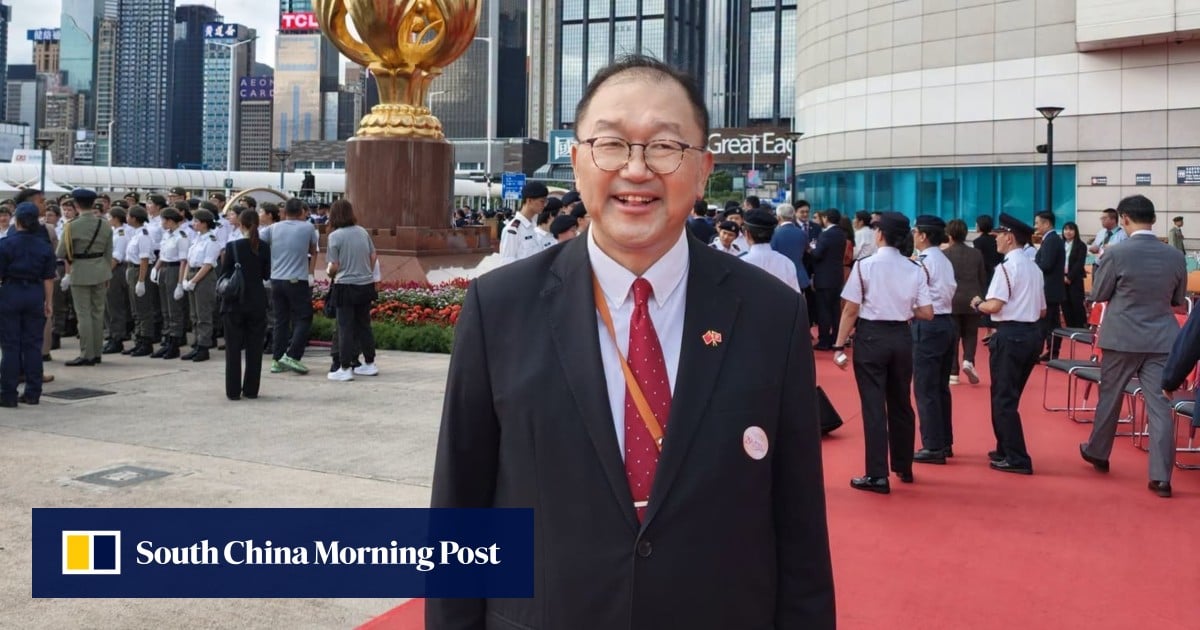
Hong Kong lawmaker William Wong is under scrutiny for not informing the Legislative Council about his recent arrest. A committee investigation has been initiated to address the implications of his actions on public trust and governance.
Introduction
In a significant development within Hong Kong's political landscape, lawmaker William Wong is set to face a committee investigation following revelations that he failed to disclose his recent arrest to the Legislative Council (Legco). This incident has raised questions about accountability and transparency among public officials, prompting calls for greater scrutiny of lawmakers' conduct.
The Arrest
William Wong, a member of the pro-establishment camp, was arrested last month during a police operation targeting illegal activities in the city. The details surrounding his arrest remain somewhat murky, but sources suggest it was related to a case involving public order offenses. Despite the seriousness of the situation, Wong reportedly did not inform Legco about his arrest, which is a requirement for all lawmakers under the existing regulations.
Legislative Council's Response
The failure to disclose such critical information has prompted outrage among fellow lawmakers and the public alike. Several members of Legco have expressed their disappointment, arguing that Wong's actions undermine the integrity of the council and erode public trust in elected officials. In response to the growing concerns, the Legco has initiated a formal committee probe to investigate the circumstances surrounding Wong's arrest and his decision not to disclose it.
Implications for Governance
This incident raises broader questions regarding governance and accountability in Hong Kong's political system. Critics argue that lawmakers must be held to a higher standard, given their role in shaping policies and representing the interests of the public. The committee investigation will likely delve into the implications of Wong's actions and whether they constitute a breach of the public's trust.
Public Reaction
The public's reaction to Wong's non-disclosure has been swift and largely negative. Many citizens have taken to social media to express their discontent, calling for stricter regulations governing lawmakers' conduct. A recent poll indicated that a significant portion of the population believes that lawmakers should be required to disclose any legal issues they face, including arrests, to maintain transparency and accountability.
Wong's Defense
In the wake of the controversy, Wong has defended his actions, claiming that he was unaware of the requirement to inform Legco about his arrest. He expressed regret for any misunderstanding and pledged to cooperate fully with the committee investigation. However, his defense has not quelled the criticism, with many questioning whether ignorance of the rules is a valid excuse for failing to uphold the standards expected of public officials.
Future Considerations
The committee's findings will be crucial in determining the future of Wong's political career and may set a precedent for how similar cases are handled in the future. As the investigation unfolds, it will be essential for lawmakers to reflect on the importance of transparency and accountability in their roles. The outcome could lead to calls for reforms aimed at preventing similar incidents from occurring in the future.
Conclusion
The investigation into William Wong's failure to disclose his arrest underscores the ongoing challenges facing Hong Kong's political system. As the city grapples with issues of governance and public trust, the actions of its lawmakers will remain under close scrutiny. The outcome of this committee probe may not only impact Wong's future but could also have broader implications for the integrity of the Legislative Council as a whole.