Lawrence Ng Embraces AI Technology with Younger Likeness for New Role
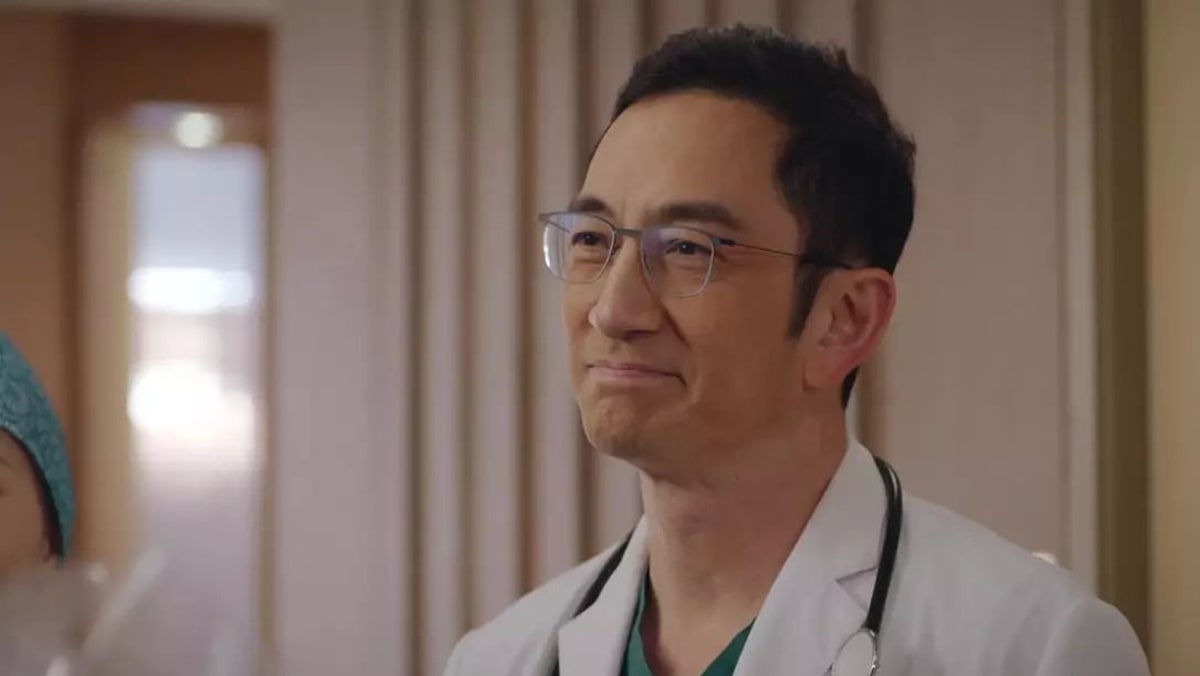
Hong Kong actor Lawrence Ng has licensed his younger likeness for an AI role, expressing satisfaction with the results. This innovative move highlights the intersection of technology and culture in the entertainment industry.
Introduction
In a groundbreaking move that merges technology with the arts, renowned Hong Kong actor Lawrence Ng has licensed his younger likeness for an artificial intelligence role. The actor, known for his extensive work in television and film, expressed his satisfaction with the outcome of this innovative venture, which raises intriguing questions about the future of acting and the role of technology in the creative process.
The Licensing Agreement
Ng's decision to license his younger likeness comes as part of a growing trend in the entertainment industry, where digital recreations of actors are becoming increasingly common. This licensing agreement allows for the use of Ng's youthful image in various projects, potentially opening doors to new storytelling methods and creative possibilities. The actor's willingness to embrace this technology reflects a broader acceptance within the industry of AI's role in shaping the future of film and television.
Ng's Perspective on AI
Speaking about the experience, Ng stated, "I am very satisfied with the result. The technology has advanced so much that it can truly capture the essence of my younger self." His positive outlook on AI in the arts highlights a significant shift in how artists view technology, moving from skepticism to a more collaborative approach. Ng's endorsement of AI technology is particularly noteworthy given the traditionalist views often held in the entertainment industry.
Impact on the Entertainment Industry
The integration of AI technology in film and television is not without its controversies. Critics argue that the use of digital likenesses could undermine the authenticity of performances and raise ethical questions about consent and ownership. However, Ng's approach serves as a counterpoint to these concerns, suggesting that with proper licensing and agreements, AI can enhance rather than detract from the artistic experience.
Broader Cultural Implications
As AI continues to evolve, its implications extend beyond just the realm of acting. The ability to recreate a younger version of oneself opens discussions about nostalgia, memory, and the representation of aging in media. Ng's project could pave the way for other actors to explore similar avenues, potentially transforming how stories are told and who gets to tell them.
Audience Reception
Initial reactions from fans and industry professionals have been largely positive. Many are excited about the potential for new narratives that could emerge from the use of AI-generated likenesses. Some fans have expressed curiosity about how this technology might allow for more diverse casting opportunities, enabling actors to portray characters across different ages and eras without the limitations of physical aging.
The Future of AI in Film
Looking ahead, the future of AI in film and television appears bright. As technology continues to advance, it is likely that more actors will follow in Ng's footsteps, exploring the possibilities that AI offers. This shift could lead to a new era in storytelling, where the boundaries of age and time are blurred, allowing for richer and more complex narratives.
Conclusion
Lawrence Ng's licensing of his younger likeness for an AI role marks a significant moment in the intersection of technology and culture within the entertainment industry. As artists embrace these advancements, the potential for innovative storytelling continues to expand, promising a future where creativity knows no bounds. Ng's satisfaction with the results exemplifies a growing trend toward collaboration between human talent and artificial intelligence, heralding a new chapter in the evolution of film and television.