Limited Supply of H200 Chips to China Despite Loosened Export Regulations
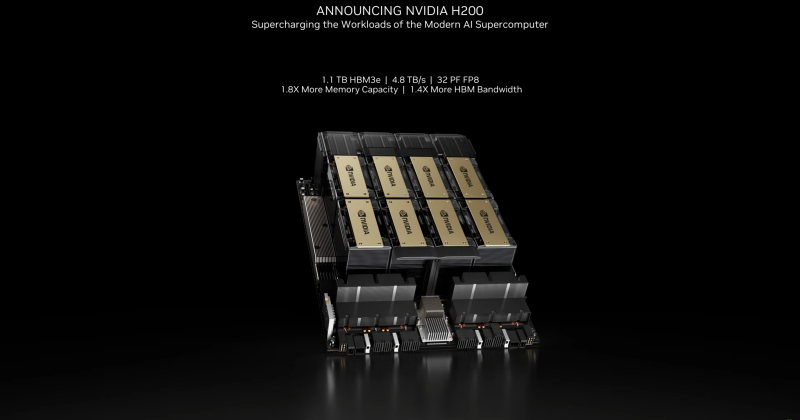
Recent confirmations from US Commerce officials reveal that very few H200 chips have made their way to China, despite the relaxation of export restrictions. This situation highlights ongoing tensions and strategic concerns surrounding semiconductor technology.
Introduction
In a significant development in the global semiconductor landscape, US Commerce officials have confirmed that only a minimal number of H200 chips have reached China, despite the recent easing of export restrictions. This revelation underscores the complexities and challenges that continue to define the relationship between the United States and China in the realm of advanced technology.
Background on H200 Chips
The H200 chips, which are crucial for various applications including artificial intelligence and high-performance computing, have been at the center of an ongoing trade dispute between the two nations. The US government has implemented strict export controls aimed at limiting China's access to advanced semiconductor technology, citing national security concerns. However, recent changes to these regulations were expected to facilitate a more significant flow of technology to China.
Current Export Situation
Despite the anticipated increase in exports following the loosening of restrictions, the actual number of H200 chips shipped to China has been disappointingly low. A senior official from the US Commerce Department confirmed that the expected surge in shipments has not materialized, raising questions about the effectiveness of the new policies. This situation reflects not only the complexities of international trade but also the underlying geopolitical tensions that continue to influence technology transfers.
Reasons for Limited Shipments
Several factors contribute to the limited supply of H200 chips to China. Firstly, many US semiconductor manufacturers remain cautious about engaging with Chinese firms due to the potential backlash from the US government. The fear of penalties or restrictions can deter companies from pursuing lucrative contracts in China, even with the relaxed regulations. Additionally, the ongoing concerns regarding intellectual property theft and national security continue to loom large in the minds of American businesses.
Implications for the Semiconductor Industry
The limited availability of H200 chips for Chinese companies could have far-reaching implications for the semiconductor industry as a whole. China has been striving to bolster its domestic semiconductor production capabilities, aiming to reduce its reliance on foreign technology. However, the slow pace of access to advanced chips like the H200 could hinder these efforts, prolonging the country's technological dependence on the United States and other Western nations.
Geopolitical Tensions and Future Outlook
The ongoing tensions between the US and China over technology and trade are likely to persist, impacting not only the semiconductor industry but also broader economic relations. Analysts suggest that the limited shipment of H200 chips may be indicative of a more cautious approach from US companies, who are weighing the risks of engaging with Chinese firms against the potential rewards.
Looking ahead, the future of semiconductor exports to China will depend on the evolving political landscape and the willingness of companies to navigate the complexities of international trade. While the relaxation of export rules was seen as a step towards increased cooperation, the reality on the ground suggests that significant barriers remain.
Conclusion
The confirmation from US Commerce officials regarding the minimal shipment of H200 chips to China serves as a reminder of the intricate relationship between technology and geopolitics. As both nations continue to grapple with their respective strategic interests, the semiconductor industry will remain a focal point in the ongoing dialogue between the US and China.