Luxury Sales in China Plummet as Tax Reforms Affect Affluent Consumers
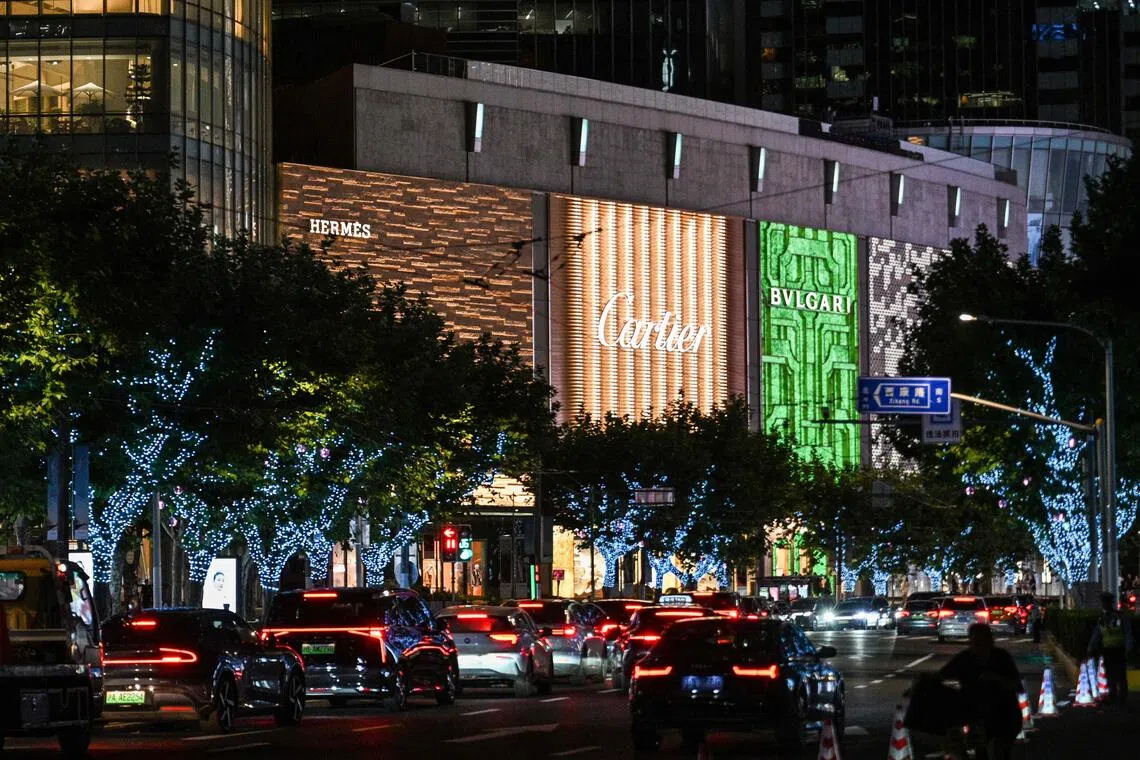
Recent tax reforms in China have led to a significant decline in luxury sales, impacting the country's affluent shoppers. This shift in consumer behavior is reshaping the luxury market landscape in the region.
Introduction
In a striking turn of events, luxury sales in China have experienced a dramatic plunge, attributed largely to recent tax reforms aimed at curbing the spending habits of the nation's wealthy consumers. As the Chinese government intensifies its efforts to regulate luxury consumption, the repercussions are being felt across the retail sector, raising concerns about the long-term viability of luxury brands in one of the world's largest markets.
The Impact of Tax Reforms
According to a report by The Straits Times, the new tax policies implemented by the Chinese government have significantly increased the financial burden on high-net-worth individuals. These reforms are part of a broader strategy to address income inequality and redirect consumer spending towards domestic goods and services. As a result, many affluent shoppers are re-evaluating their purchasing habits, leading to a noticeable decline in luxury sales.
Statistics and Trends
Recent data indicates that luxury sales in China have dropped by approximately 20% in the past quarter alone. This decline is particularly evident in categories such as high-end fashion, jewelry, and luxury automobiles, which have historically been strong performers in the Chinese market. Analysts suggest that the tax hikes, coupled with an overall economic slowdown, have created a perfect storm for luxury retailers.
Consumer Sentiment
Consumer sentiment among the wealthy has shifted dramatically. Many affluent individuals are now prioritizing savings and investments over luxury purchases, reflecting a growing sense of caution in the face of economic uncertainty. This change is not only affecting the luxury market but is also indicative of a broader trend towards more sustainable consumption practices.
Luxury Brands Respond
In response to the declining sales, luxury brands are being forced to adapt their strategies. Some are exploring new pricing models, while others are focusing on enhancing the overall customer experience to retain their clientele. Brands are also investing in digital marketing and e-commerce platforms to reach consumers who may be hesitant to shop in physical stores due to the current economic climate.
Future Outlook
The future of luxury sales in China remains uncertain. While some analysts predict a rebound as consumers adjust to the new tax landscape, others caution that the long-term effects of these reforms could lead to a permanent shift in consumer behavior. The luxury market may need to evolve to meet the changing demands of a more financially conscious consumer base.
Conclusion
As China navigates its new economic reality, the luxury market is at a crossroads. The recent tax reforms have not only impacted sales but also forced a reevaluation of consumer values and priorities. For luxury brands, the challenge will be to adapt to these changes while maintaining their appeal to a discerning clientele. The coming months will be crucial in determining how the luxury sector in China will evolve in response to this shifting landscape.