Malaysia and Hong Kong Securities Regulators Collaborate to Ease Dual IPO Listings
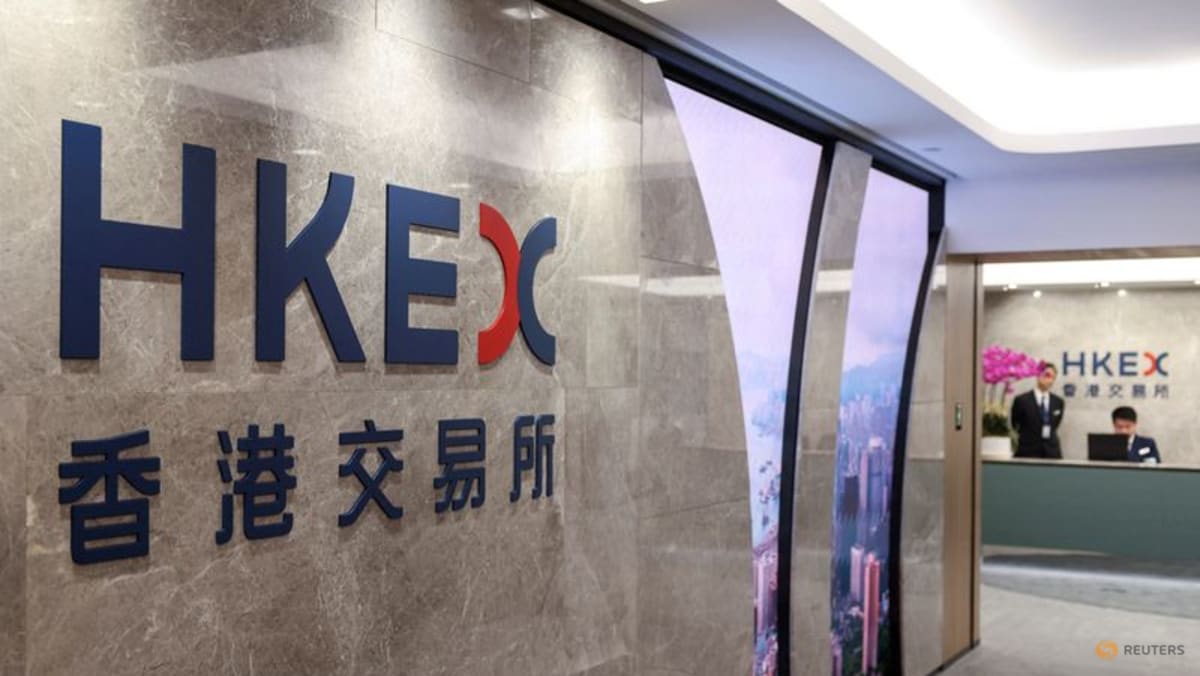
The securities regulators of Malaysia and Hong Kong have reached an agreement to simplify the process for dual initial public offerings (IPOs). This collaboration aims to strengthen ties and enhance investment opportunities between the two markets.
Malaysia and Hong Kong Securities Regulators Collaborate to Ease Dual IPO Listings
In a significant development for the financial markets of both Malaysia and Hong Kong, the securities regulators from the two regions have announced an agreement to ease the process for dual initial public offerings (IPOs). This strategic collaboration is expected to bolster investment opportunities and strengthen economic ties between the two markets, paving the way for more cross-border listings.
The agreement was reached during a recent meeting between the Securities Commission Malaysia (SC) and the Hong Kong Securities and Futures Commission (SFC). The discussions focused on enhancing regulatory cooperation and streamlining the procedures that companies must navigate to list on both the Bursa Malaysia and the Hong Kong Stock Exchange.
Under the new framework, companies seeking to pursue dual listings will benefit from a more efficient process, which aims to reduce the regulatory burden and expedite the approval timelines. This initiative is particularly timely, as both markets strive to attract more foreign investment and enhance their global competitiveness.
According to the SC, the dual listing framework is designed to facilitate greater access to capital for Malaysian companies while providing Hong Kong investors with more diverse investment options. The collaboration also underscores the growing importance of cross-border investment strategies in an increasingly interconnected global economy.
“This agreement is a testament to our commitment to fostering a conducive environment for businesses to thrive. By simplifying the dual listing process, we aim to enhance the attractiveness of both markets for issuers and investors alike,” said SC Chairman, Datuk Syed Zaid Albar.
The Hong Kong SFC echoed these sentiments, highlighting the mutual benefits of the partnership. “We believe that this collaboration will not only strengthen the ties between our two markets but also create a more vibrant ecosystem for investors and companies looking to expand their horizons,” stated SFC Chief Executive, Ashley Alder.
The easing of dual IPO listings comes at a time when many companies are exploring options to raise capital amid a challenging economic landscape. With rising inflation and geopolitical uncertainties, firms are increasingly looking for innovative ways to access funding. Dual listings can provide a viable solution, enabling companies to tap into a larger pool of investors.
In recent years, there has been a noticeable trend of companies opting for dual listings as they seek to enhance their visibility and credibility in the global market. Notable examples include prominent Malaysian firms that have successfully listed on the Hong Kong Stock Exchange, gaining access to a broader investor base and increased liquidity.
Industry analysts have welcomed the move, suggesting that it could lead to a surge in dual listings from Malaysia to Hong Kong. “This is a positive step forward for both markets. By reducing the regulatory hurdles, we expect to see more Malaysian companies considering Hong Kong as a viable option for their IPOs,” said a financial analyst from a leading investment firm.
As the collaboration progresses, both regulators are expected to continue engaging with stakeholders to ensure a smooth implementation of the new framework. This initiative not only reflects the evolving landscape of capital markets but also highlights the importance of international cooperation in fostering economic growth.
In conclusion, the agreement between Malaysia and Hong Kong’s securities regulators marks a pivotal moment in enhancing the dual listing process. By streamlining regulations and fostering collaboration, both markets stand to benefit from increased investment opportunities and economic integration in the years to come.