Manslaughter and Graft Charges Filed in Hong Kong's Deadliest Residential Blaze
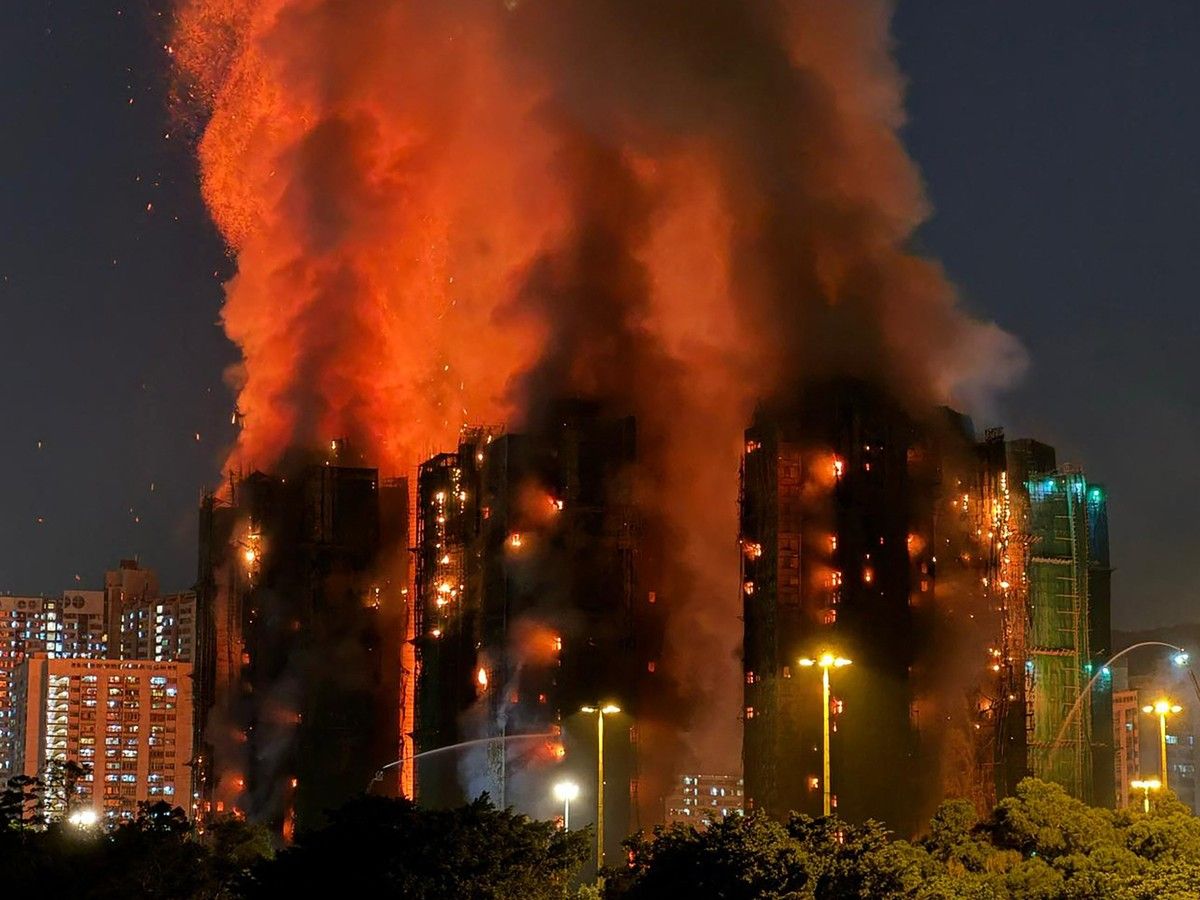
In a shocking turn of events, authorities in Hong Kong have filed charges of manslaughter and graft against several individuals linked to the city's deadliest residential fire. This incident has raised serious questions about building safety regulations and accountability in the wake of the tragedy.
Introduction
In a significant development following the catastrophic residential blaze that claimed numerous lives in Hong Kong, authorities have filed charges of manslaughter and graft against several individuals connected to the incident. The fire, which occurred in a densely populated residential building, has been described as the deadliest in the city's history, prompting widespread outrage and calls for accountability.
The Incident
The tragedy unfolded on a fateful night when flames engulfed the upper floors of the building, leaving residents trapped and desperate for escape. Firefighters battled the inferno for hours, but the damage was extensive, and the loss of life was heartbreaking. Initial reports indicated that the blaze was exacerbated by inadequate fire safety measures and possibly illegal modifications made to the building.
Charges Filed
In the wake of the disaster, the Hong Kong police launched an extensive investigation into the circumstances surrounding the fire. This investigation led to the filing of serious charges against several individuals, including building owners, contractors, and local officials. The charges of manslaughter suggest that these individuals may have acted with gross negligence, failing to ensure the safety of the building and its residents. Additionally, graft charges imply that there may have been corruption involved in the building's oversight and safety inspections.
Public Outcry
The filing of these charges has sparked a wave of public outrage, with many residents and advocacy groups demanding justice for the victims of the fire. Candlelight vigils have been held across the city, where mourners gather to remember those who lost their lives and to express their anger at the systemic failures that contributed to the tragedy. Activists are calling for stricter enforcement of building codes and greater accountability for those in positions of power.
Regulatory Failures
This incident has brought to light the ongoing issues related to building safety regulations in Hong Kong. Over the years, there have been numerous reports of substandard construction practices and lax enforcement of safety codes. Critics argue that the government has failed to prioritize the safety of its citizens, allowing developers and property owners to cut corners in pursuit of profit.
Government Response
In response to the public outcry, government officials have promised a thorough review of building safety regulations and an overhaul of the inspection process. However, many residents remain skeptical, fearing that these promises may not translate into meaningful change. The recent tragedy has highlighted the urgent need for reform in a city where high-rise living is the norm, and safety cannot be compromised.
Conclusion
The charges of manslaughter and graft in connection with Hong Kong's deadliest residential fire mark a critical moment for the city. As the legal proceedings unfold, the focus will undoubtedly remain on the broader implications for building safety and regulatory practices. The victims of this tragedy deserve justice, and the community is demanding accountability to ensure that such a disaster never happens again.