Marisa Yiu: Curatorial Work as a Catalyst for Urban Transformation
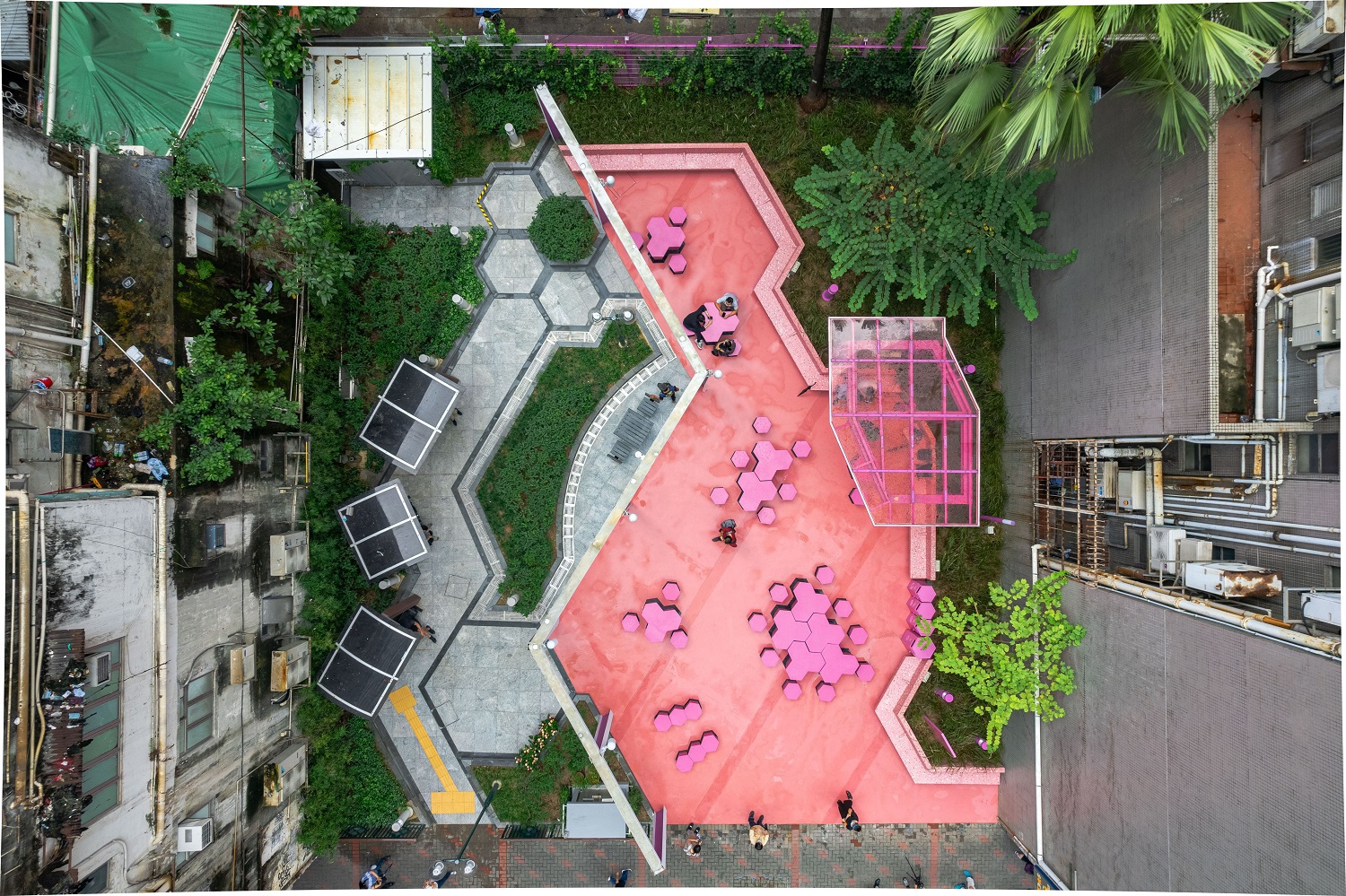
Marisa Yiu, co-founder of Design Trust, discusses the role of curatorial practices in shaping urban spaces and community engagement in Hong Kong. Her insights highlight the importance of exhibitions as tools for city-making and spatial agency.
Introduction
In the bustling city of Hong Kong, where urban space is at a premium and cultural narratives often collide, curatorial practices have emerged as a significant force in shaping the urban landscape. Marisa Yiu, co-founder of Design Trust, is at the forefront of this movement, advocating for the role of exhibitions and spatial agency in fostering community engagement and urban transformation.
The Role of Curatorial Work
Yiu emphasizes that curatorial work extends beyond the confines of galleries and museums; it is an essential aspect of city-making. By curating exhibitions that reflect the community's needs and aspirations, curators can create platforms for dialogue and collaboration among diverse stakeholders. Yiu argues that exhibitions serve as a mirror to society, showcasing not only artistic expressions but also the socio-political dynamics that shape urban life.
Community Engagement through Design
One of the key tenets of Yiu's philosophy is the importance of community engagement in the curatorial process. She believes that involving local residents and artists in the creation of exhibitions can lead to a more profound understanding of the community's identity and challenges. This participatory approach not only empowers individuals but also fosters a sense of ownership over public spaces, transforming them into vibrant hubs of activity.
Exhibitions as Urban Interventions
Yiu's work with Design Trust has demonstrated how exhibitions can act as urban interventions that provoke thought and inspire change. For instance, projects that explore themes of sustainability, heritage, and social equity have the potential to reshape public perceptions and encourage civic participation. By addressing pressing issues through the lens of art and design, curators can stimulate conversations that lead to tangible improvements in urban environments.
Case Studies in Hong Kong
Several recent exhibitions in Hong Kong exemplify Yiu's vision of curatorial work as a catalyst for urban transformation. For example, the “Future of the City” exhibition brought together architects, urban planners, and local communities to envision sustainable urban futures. This collaborative effort not only generated innovative ideas but also highlighted the importance of inclusivity in urban planning.
Another notable project was the “Heritage in the Making” exhibition, which showcased the stories of local artisans and their crafts. By placing these narratives at the forefront, the exhibition not only celebrated cultural heritage but also raised awareness about the challenges faced by traditional crafts in a rapidly modernizing city.
The Impact of Spatial Agency
Yiu also discusses the concept of spatial agency, which refers to the ability of individuals and communities to influence and shape their environments. Through curatorial practices, designers and artists can empower communities to reclaim public spaces and advocate for their needs. This empowerment is crucial in a city like Hong Kong, where urban development often prioritizes commercial interests over community well-being.
Looking Ahead
As Hong Kong continues to navigate complex social and political landscapes, the role of curatorial work in city-making will only become more critical. Yiu envisions a future where exhibitions are not merely events but integral components of urban life that foster dialogue, creativity, and resilience. By harnessing the power of art and design, curators can help shape a more inclusive and sustainable urban future.
Conclusion
Marisa Yiu's insights into the intersection of curatorial work and urban transformation highlight the potential of exhibitions as tools for community engagement and spatial agency. As Hong Kong grapples with its identity and future, the role of curators like Yiu will be essential in fostering a vibrant cultural landscape that reflects the voices and aspirations of its residents.