Media Tycoon Jimmy Lai Faces Life Sentence in Hong Kong's National Security Crackdown
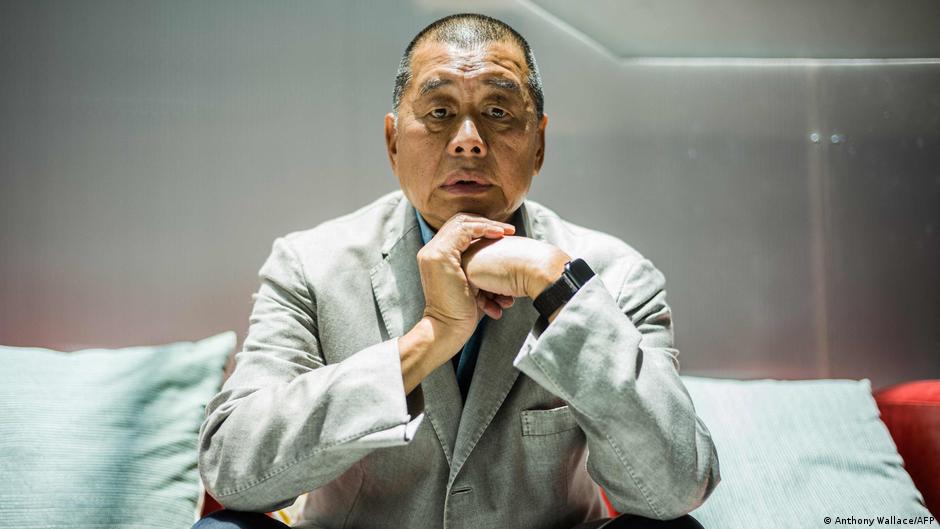
Jimmy Lai, the founder of Apple Daily, is facing a potential life sentence as Hong Kong's national security law continues to target dissenting voices. The trial highlights the ongoing suppression of press freedom and political opposition in the region.
Introduction
In a significant escalation of Hong Kong's crackdown on dissent, media tycoon Jimmy Lai is facing the possibility of a life sentence as he stands trial under the controversial national security law. Lai, the founder of the now-defunct pro-democracy newspaper Apple Daily, has been a prominent figure in the fight for press freedom in the city. His case exemplifies the broader implications of the national security law, which has been used to silence critics of the government and stifle free expression.
The Charges Against Lai
Jimmy Lai has been charged with multiple offenses, including collusion with foreign forces, which carries a maximum penalty of life imprisonment. The prosecution alleges that Lai sought to solicit foreign sanctions against Hong Kong and China in response to the government's crackdown on pro-democracy movements. Lai has firmly denied these allegations, asserting that he merely exercised his right to free speech and advocated for democracy.
Background on the National Security Law
Implemented in June 2020, the national security law has been criticized by international observers and human rights organizations as a tool for suppressing dissent. The law grants authorities sweeping powers to target individuals and organizations deemed to be a threat to national security, leading to a significant decline in press freedom and civil liberties in Hong Kong. Since its enactment, numerous activists, journalists, and politicians have been arrested, with many facing severe penalties.
Impact on Press Freedom
The case against Lai has drawn widespread attention, not only because of his high-profile status but also due to its implications for press freedom in Hong Kong. Apple Daily, which was known for its outspoken criticism of the government, was forced to shut down in June 2021 following a police raid and the arrest of Lai and several senior executives. The closure of the newspaper marked a significant blow to independent journalism in the city, raising concerns about the future of media in an environment increasingly hostile to dissent.
International Reactions
The trial of Jimmy Lai has sparked outrage among international human rights advocates and foreign governments. Many have condemned the charges against him as politically motivated and called for his immediate release. The United States, the United Kingdom, and various human rights organizations have expressed their concerns regarding the erosion of freedoms in Hong Kong, urging the international community to take a stand against the Chinese government's increasing authoritarianism.
What Lies Ahead
As the trial progresses, the outcome remains uncertain. Legal experts suggest that the Hong Kong judiciary, under significant pressure from Beijing, may lean towards a conviction to demonstrate the government's resolve in enforcing the national security law. A guilty verdict for Lai could set a dangerous precedent for other journalists and activists, further chilling free expression in the region.
Conclusion
Jimmy Lai's trial is more than just a legal proceeding; it is a critical moment for Hong Kong's future as a bastion of press freedom and democratic values. As the world watches closely, the implications of this case will resonate far beyond the courtroom, shaping the landscape of civil liberties in Hong Kong and influencing international perceptions of China's governance. The outcome could determine whether the city remains a vibrant hub for free expression or succumbs to the authoritarian grip of the Chinese Communist Party.