Media Tycoon Jimmy Lai Sentenced to 20 Years in National Security Trial
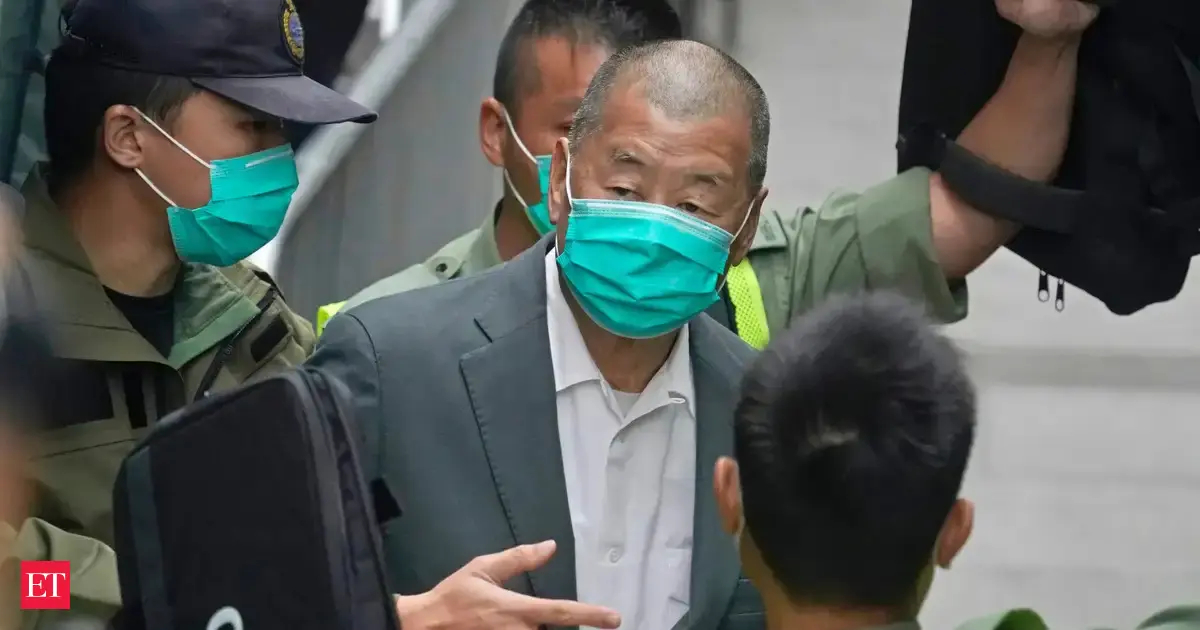
Jimmy Lai, the prominent Hong Kong media tycoon and founder of Apple Daily, has been sentenced to a total of 20 years in prison following a national security trial. This ruling marks a significant escalation in the crackdown on dissent in Hong Kong's media landscape.
Introduction
In a landmark ruling that underscores the ongoing tensions in Hong Kong, media tycoon Jimmy Lai has been sentenced to a total of 20 years in prison as part of a national security trial. Lai, the founder of the now-defunct pro-democracy newspaper Apple Daily, has been a prominent figure in the struggle for freedom of the press and expression in the region.
The Sentencing
On Friday, the court handed down the lengthy sentence after convicting Lai on multiple charges related to the national security law imposed by Beijing in 2020. The charges included collusion with foreign forces and conspiracy to publish seditious materials, reflecting the Hong Kong government's intensified efforts to silence dissent and curb media freedoms.
Background on Jimmy Lai
Jimmy Lai, a 75-year-old entrepreneur, has been a vocal critic of the Chinese Communist Party and a supporter of the pro-democracy movement in Hong Kong. His newspaper, Apple Daily, was known for its critical reporting on the government and its advocacy for democratic reforms. However, following the imposition of the national security law, the publication was forced to shut down in June 2021, marking a significant blow to press freedom in the city.
Implications of the Ruling
The sentencing of Lai has raised alarm among international human rights organizations and foreign governments, who view it as part of a broader campaign to suppress dissent in Hong Kong. Critics argue that the national security law has been used as a tool to stifle free speech and undermine the autonomy that Hong Kong was promised under the “one country, two systems” framework.
International Reactions
The international community has reacted strongly to Lai's sentencing. The United States, the United Kingdom, and various human rights groups have condemned the verdict, calling it a blatant violation of human rights and an attack on press freedom. The U.S. State Department described the ruling as “politically motivated” and urged China to respect the rights and freedoms of the people of Hong Kong.
Future of Press Freedom in Hong Kong
With Lai's conviction, the future of press freedom in Hong Kong appears increasingly bleak. Many journalists and media outlets are now operating under the shadow of the national security law, with fears of prosecution leading to self-censorship. The case has sent a chilling message to those in the media industry, raising concerns about the ability to report freely and without fear of retribution.
Conclusion
As the situation in Hong Kong continues to evolve, the sentencing of Jimmy Lai serves as a stark reminder of the challenges facing journalists and activists in the region. The international community remains watchful, advocating for the restoration of freedoms that have been eroded in recent years. The case of Jimmy Lai will likely remain a focal point in discussions about human rights and press freedom in Hong Kong and beyond.