Media Tycoon Jimmy Lai Sentenced to 20 Years in National Security Trial
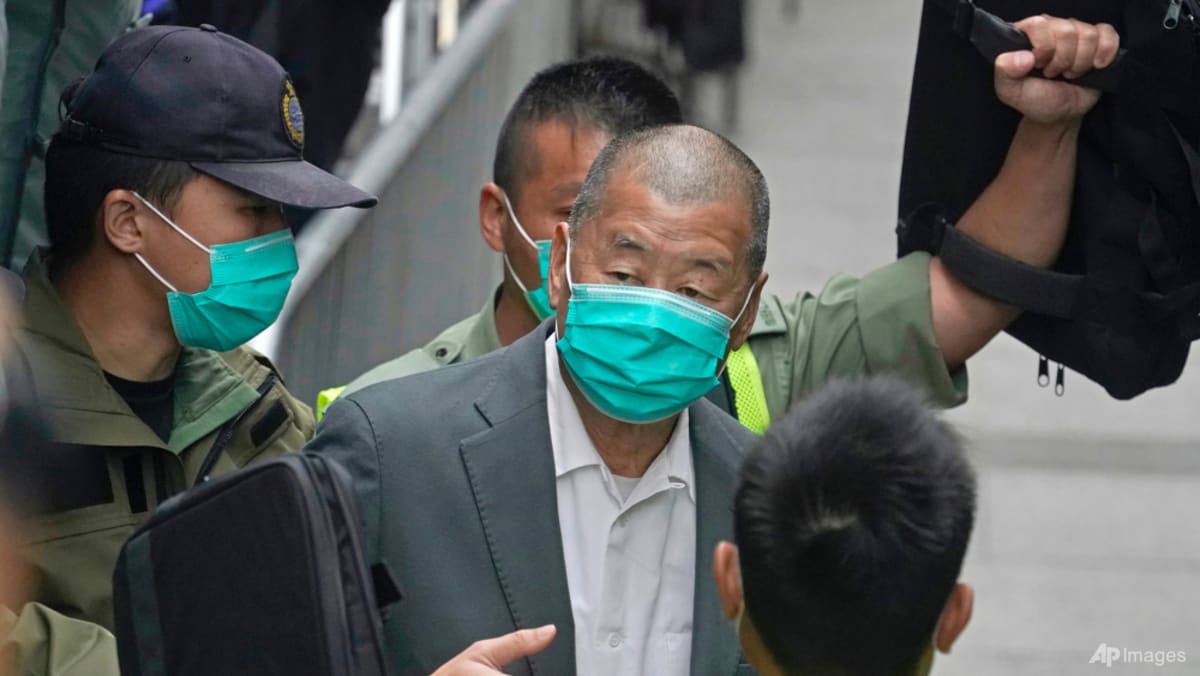
Jimmy Lai, the Hong Kong media tycoon and founder of Apple Daily, has been sentenced to 20 years in prison following a national security trial. This landmark case raises significant concerns about press freedom and the future of media in Hong Kong.
Introduction
In a landmark ruling that has sent shockwaves through the media landscape, Hong Kong media tycoon Jimmy Lai has been sentenced to 20 years in prison as part of a national security trial. Lai, the founder of the now-defunct Apple Daily, has been a prominent figure in the pro-democracy movement and a vocal critic of the Chinese government. His sentencing marks a significant escalation in the ongoing crackdown on dissent and press freedom in the region.
The Charges
Jimmy Lai was convicted on multiple charges under Hong Kong's controversial National Security Law, which was imposed by Beijing in 2020. The law has been widely criticized for its broad definitions of offenses and its potential to stifle free speech and dissent. Lai faced charges including conspiracy to collude with foreign forces, which authorities claimed was aimed at undermining national security.
The Trial
The trial, which garnered international attention, was characterized by a lack of transparency and concerns over judicial independence. Lai's defense argued that the charges against him were politically motivated and aimed at silencing a prominent critic of the government. Despite calls for a fair trial, the proceedings were heavily scrutinized, with many observers noting that the legal framework under which Lai was tried severely limited his ability to mount an effective defense.
Reactions to the Sentencing
The sentencing has sparked outrage among pro-democracy activists and press freedom advocates, who view it as a direct attack on media independence in Hong Kong. Many have taken to social media to express their condemnation, with hashtags calling for justice for Lai trending across various platforms. The Committee to Protect Journalists (CPJ) issued a statement denouncing the verdict, calling it a “chilling reminder of the lengths to which authorities will go to silence dissent.”
Impact on Press Freedom
Lai's conviction is seen as part of a broader strategy by the Hong Kong government to suppress dissent and control the narrative surrounding the pro-democracy movement. The closure of Apple Daily in 2021 following a police raid and the arrest of several of its journalists highlighted the precarious state of press freedom in the city. With Lai's sentencing, many fear that other media outlets may self-censor to avoid similar repercussions, leading to a further erosion of journalistic integrity and independence.
International Response
The international community has reacted strongly to Lai's sentencing, with several governments and human rights organizations condemning the ruling. The United States State Department called for his immediate release, stating that the charges against him were politically motivated. Similarly, the European Union has expressed deep concern over the state of human rights and freedoms in Hong Kong, urging the Chinese government to respect its commitments to uphold the rights and freedoms guaranteed under the Sino-British Joint Declaration.
Conclusion
As Jimmy Lai begins his 20-year sentence, the implications of this ruling extend far beyond his individual case. It represents a critical juncture for Hong Kong, where the freedoms once enjoyed by its citizens are increasingly under threat. The international community watches closely as the situation unfolds, with many advocating for the restoration of democratic values and the protection of press freedom in the region.